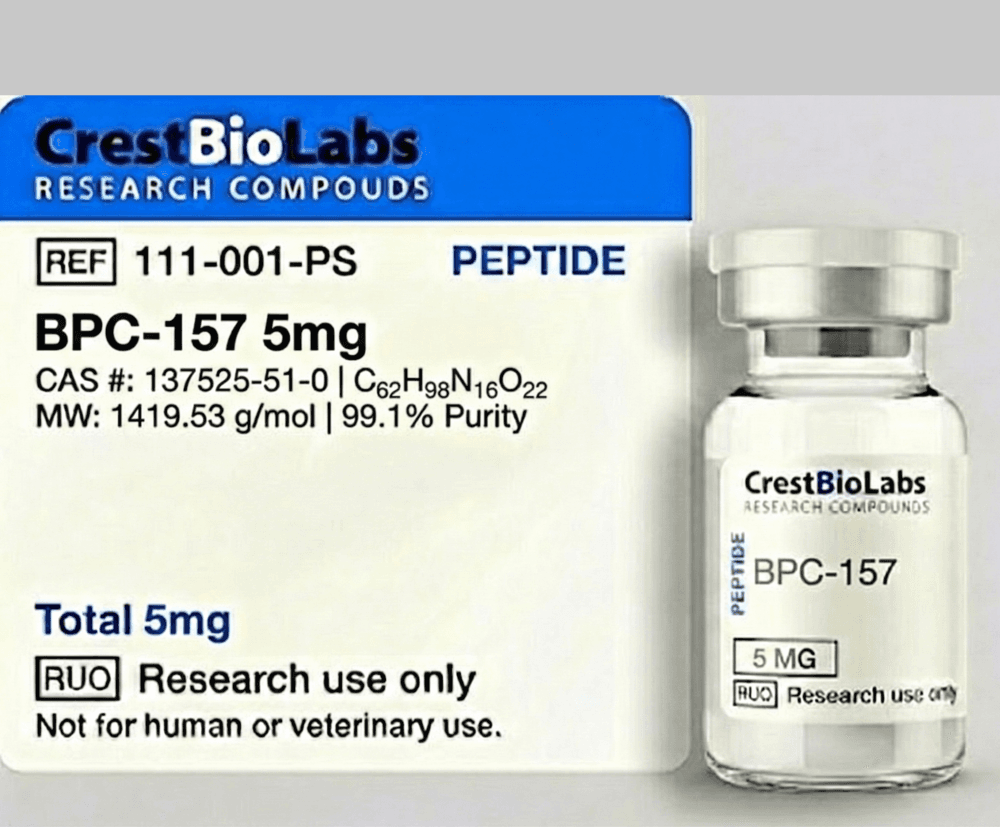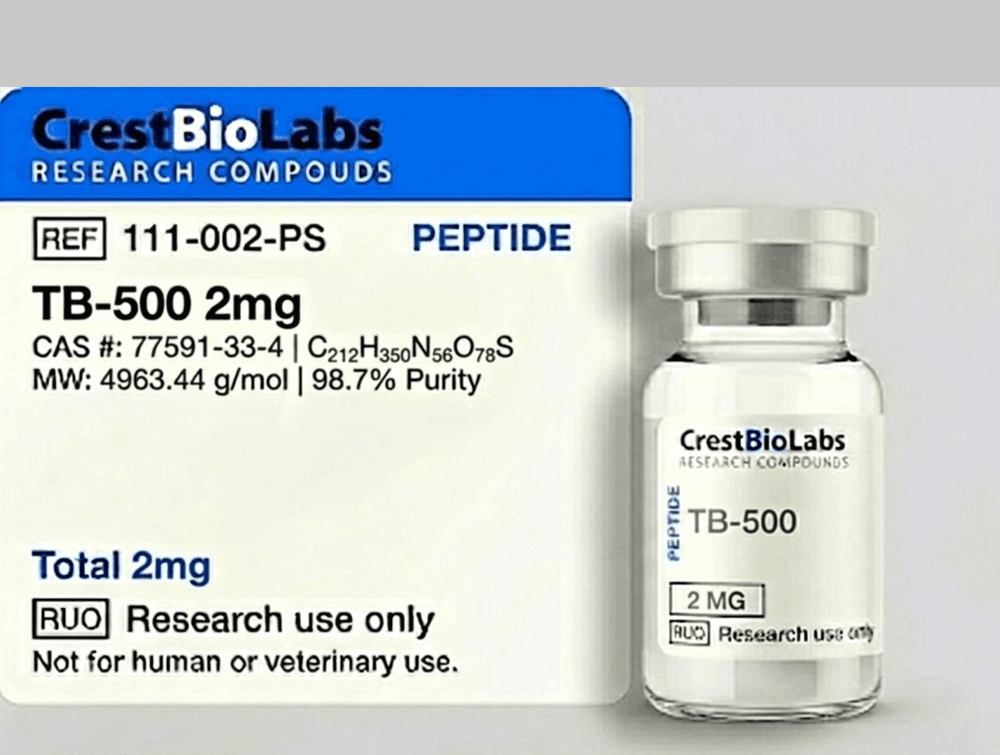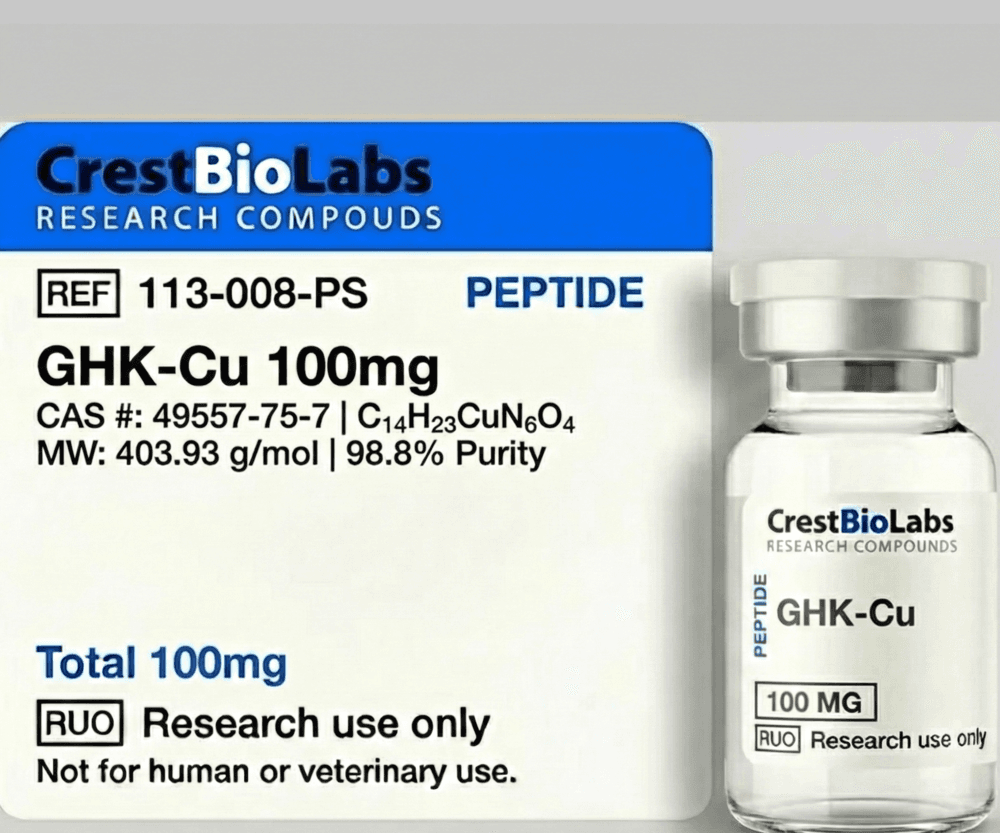
BPC-157: Intracellular Signaling Cascades in Preclinical Models
BPC-157 (Body Protection Compound-157, sequence GEPPPGKPADDAGLV, molecular weight 1419.53 g/mol) is a synthetic pentadecapeptide derived from a fragment of human gastric juice protein BPC, originally isolated and characterized by Sikiric and colleagues at the University of Zagreb. Unlike most bioactive peptides that target specific membrane-bound receptors with known binding affinities, BPC-157's precise molecular receptor has not yet been definitively identified, despite extensive preclinical characterization of its downstream signaling effects. This has led researchers to propose that BPC-157 may engage multiple signaling nodes rather than a single canonical receptor target (Sikiric P, et al. J Physiol Paris. 1999;93(6):505-510. doi:10.1016/S0928-4257(99)00119-9).
The focal adhesion kinase (FAK) signaling axis represents one of the most consistently reported molecular pathways associated with BPC-157 in cell culture models. FAK (PTK2) is a non-receptor tyrosine kinase localized to integrin-mediated focal adhesion complexes, where it serves as a central hub for mechanotransduction and cell survival signaling. In fibroblast and endothelial cell cultures, BPC-157 has been associated with increased FAK autophosphorylation at Tyr397, the site that creates a high-affinity binding motif for the SH2 domain of Src family kinases. This phospho-FAK/Src complex subsequently phosphorylates paxillin at Tyr31 and Tyr118, promoting the recruitment of additional adaptor proteins (CrkII, p130Cas) to focal adhesion sites and activating downstream Rac1 and Cdc42 GTPases that drive actin polymerization and lamellipodium extension.
VEGF (vascular endothelial growth factor) signaling represents another well-characterized pathway associated with BPC-157 in preclinical models. Published studies in rodent models have reported that BPC-157 upregulates VEGF expression at both the mRNA and protein levels in various tissue types, including gastric mucosa, tendon, muscle, and bone tissue (Sikiric P, et al. Curr Pharm Des.2018;24(18):1990-2001. doi:10.2174/1381612824666180629105939). VEGF signals through VEGF receptor-2 (VEGFR-2/KDR/Flk-1), a receptor tyrosine kinase expressed on endothelial cells, activating the PLCgamma-PKC-MAPK cascade and the PI3K-Akt survival pathway. In in-vitro angiogenesis assays (Matrigel tube formation, aortic ring sprouting), BPC-157 has been associated with enhanced endothelial cell tube formation and increased capillary density in histological sections from rodent tissue models.
The MAPK/ERK signaling cascade has also been implicated in BPC-157's preclinical profile. Extracellular signal-regulated kinases 1 and 2 (ERK1/2) are serine/threonine kinases that regulate cell proliferation, differentiation, and survival. In fibroblast culture studies, BPC-157 has been associated with increased phospho-ERK1/2 levels, suggesting activation of the Ras-Raf-MEK-ERK pathway. This pathway converges with FAK signaling through the adaptor protein Grb2-SOS complex, providing a potential mechanistic link between focal adhesion assembly and proliferative signaling. Pharmacological inhibition of MEK (using U0126 or PD98059) has been reported to partially attenuate BPC-157-associated effects in certain cell culture models, supporting a functional role for ERK signaling in these observations.
Additionally, BPC-157 has been investigated for its effects on the PI3K-Akt-mTOR signaling axis, a central pathway governing cell survival and apoptosis. Akt (protein kinase B) is activated by phosphoinositide-dependent kinase 1 (PDK1) downstream of PI3K, and phosphorylated Akt subsequently inhibits pro-apoptotic proteins (Bad, Bax, caspase-9) while activating survival factors (Bcl-2, NF-kB). In preclinical cell viability assays using MTT and LDH release as endpoints, BPC-157 has been associated with enhanced cell survival under oxidative stress conditions (hydrogen peroxide, tert-butyl hydroperoxide) in fibroblast and hepatocyte culture models.
Nitric Oxide System and Cytoprotective Mechanisms
The nitric oxide (NO) system has emerged as a central mediator of BPC-157's observed cytoprotective effects in published preclinical studies. Nitric oxide is a gaseous signaling molecule synthesized by three isoforms of nitric oxide synthase (NOS): neuronal NOS (nNOS/NOS1), inducible NOS (iNOS/NOS2), and endothelial NOS (eNOS/NOS3). Each isoform catalyzes the oxidation of L-arginine to L-citrulline with the release of NO, but they differ in their regulation, tissue distribution, and the magnitude and duration of NO production. The interaction between BPC-157 and the NO system has been characterized as bidirectional, or "modulatory," in that the peptide's effects appear to depend on the baseline NO status of the experimental model (Sikiric P, et al. World J Gastroenterol. 2011;17(10):1270-1281. doi:10.3748/wjg.v17.i10.1270).
In preclinical models where NO production is pathologically suppressed (such as L-NAME-induced NOS inhibition in rodent gastric mucosal preparations), BPC-157 has been associated with upregulation of eNOS mRNA and protein expression, restoration of constitutive NO production, and normalization of vascular tone. eNOS-derived NO activates soluble guanylate cyclase (sGC) in adjacent smooth muscle cells, elevating intracellular cyclic GMP (cGMP) and activating protein kinase G (PKG), which mediates vasodilation through phosphorylation of myosin light chain phosphatase and inhibition of calcium influx. This eNOS-sGC-cGMP-PKG cascade is the canonical pathway for endothelium-dependent vasodilation and is critical for maintaining mucosal blood flow in gastric tissue models.
Conversely, in preclinical models characterized by excessive iNOS activation (such as LPS-stimulated inflammatory models), BPC-157 has been associated with reduced iNOS expression and attenuation of pathological NO overproduction. Excessive NO generated by iNOS reacts with superoxide anion (O2-) to form peroxynitrite (ONOO-), a highly reactive nitrogen species that causes oxidative damage to proteins (tyrosine nitration), lipids (lipid peroxidation), and DNA (strand breaks and base modifications). By modulating the iNOS/eNOS expression ratio, BPC-157 may shift the NO signaling balance from cytotoxic (peroxynitrite-mediated damage) toward cytoprotective (cGMP-mediated signaling) pathways in these preclinical models.
The interaction between BPC-157 and the NO system has also been investigated in the context of vascular biology. In ex-vivo aortic ring preparations from rodent models, BPC-157 has been studied for its effects on endothelium-dependent relaxation in response to acetylcholine, sodium nitroprusside, and L-arginine. These vascular reactivity studies, combined with immunohistochemical analysis of eNOS and iNOS expression in tissue sections, provide mechanistic insight into the peptide's interaction with the NO system at the tissue level.
Beyond the NO system, BPC-157 has been associated with modulation of prostaglandin biosynthesis in preclinical gastric mucosal models. Cyclooxygenase-2 (COX-2) expression and prostaglandin E2 (PGE2) production have been reported to be modulated by BPC-157 in a context-dependent manner, suggesting interaction with the arachidonic acid cascade. PGE2 signals through EP receptors (EP1-EP4) on epithelial and immune cells, activating cAMP-PKA and PI3K-Akt pathways that contribute to mucosal defense mechanisms in in-vitro gastric epithelial cell models. The interplay between NO and prostaglandin signaling systems in BPC-157 research remains an area of active investigation.
Thymosin Beta-4 and Actin-Regulatory Signaling Pathways
Thymosin beta-4 (Tbeta4) is a 43-amino acid protein (sequence beginning SDKPDMAEI...) that functions as the primary intracellular G-actin sequestering protein in mammalian cells. It is encoded by the TMSB4X gene on the X chromosome and is expressed ubiquitously at concentrations ranging from 100 to 500 micromolar in the cytoplasm, making it one of the most abundant small peptides in the cell. TB-500, the synthetic research analog, corresponds to the active region containing the actin-binding motif LKKTET (residues 17-22) and has been investigated as a tool for studying Tbeta4-mediated signaling in cell culture and animal models (Goldstein AL, et al. Ann N Y Acad Sci. 2012;1270:1-12. doi:10.1111/j.1749-6632.2012.06748.x).
The actin-sequestering function of Tbeta4 is central to its biological role. In cells at steady state, approximately 50% of total actin exists as monomeric G-actin (globular) and 50% as filamentous F-actin (polymeric). Tbeta4 binds G-actin in a 1:1 stoichiometric complex with a dissociation constant (Kd) of approximately 0.5-2.0 micromolar, effectively buffering the pool of unpolymerized actin available for rapid cytoskeletal remodeling. When cells receive migration signals (growth factors, chemokines, ECM interactions), Tbeta4 releases sequestered G-actin to actin nucleation complexes such as the Arp2/3 complex (activated by WASP/N-WASP downstream of Cdc42) and formins (activated by RhoA), driving the rapid actin polymerization required for lamellipodium and filopodium extension at the cell's leading edge.
In preclinical cell migration studies, TB-500 has been investigated for its effects on several cytoskeletal regulatory proteins. Published in-vitro data have associated TB-500 with modulation of cofilin phosphorylation status. Cofilin is an actin-depolymerizing factor whose activity is regulated by phosphorylation at Ser3: LIM kinase (LIMK) phosphorylates and inactivates cofilin, while slingshot phosphatase (SSH) dephosphorylates and activates it. The balance between LIMK and SSH activity determines the rate of actin filament turnover, which is essential for sustained cell migration. Studies in endothelial cell scratch wound assays have reported altered cofilin phosphorylation dynamics in the presence of TB-500, suggesting a modulatory effect on actin treadmilling kinetics (Sosne G, et al. Ann N Y Acad Sci. 2010;1194:199-206. doi:10.1111/j.1749-6632.2010.05599.x).
Beyond its cytoskeletal functions, thymosin beta-4 has been investigated in preclinical models for its interaction with Akt signaling. Published studies have reported that Tbeta4 activates the integrin-linked kinase (ILK) pathway, which phosphorylates and activates Akt independently of PI3K. ILK is a pseudokinase that functions as a scaffold within the ILK-PINCH-parvin (IPP) complex at integrin adhesion sites, and its interaction with Tbeta4 has been demonstrated by co-immunoprecipitation in endothelial cell lysates. Activated Akt subsequently phosphorylates and inactivates GSK-3beta, promoting beta-catenin nuclear translocation and TCF/LEF-dependent transcription of pro-survival and migration-associated genes.
The VEGF connection provides an additional signaling dimension to TB-500 research. In cardiac and endothelial cell models, Tbeta4 has been associated with increased VEGF expression through HIF-1alpha stabilization under normoxic conditions, suggesting activation of the HIF-1alpha-VEGF-VEGFR2 angiogenic signaling axis. This observation, reported in preclinical models of cardiac tissue remodeling, places Tbeta4-associated signaling within the broader context of angiogenic growth factor networks. The convergence of Tbeta4/TB-500 and BPC-157 at the VEGF signaling node provides the mechanistic rationale for investigating their combined effects in the BPC-157 / TB-500 research blend.
GHK-Cu: Copper-Dependent Gene Modulation and Antioxidant Signaling
GHK-Cu (glycyl-L-histidyl-L-lysine copper(II) complex) occupies a unique position among cytoprotective peptides as a naturally occurring metal-peptide complex whose biological activity is intrinsically dependent on its copper(II) cofactor. The tripeptide GHK is present in human plasma, saliva, and urine, and binds copper(II) with a stability constant (log K) of 16.44 at physiological pH, forming a square-planar coordination complex through the alpha-amino nitrogen of glycine, the deprotonated amide nitrogen of the Gly-His bond, and the N-pi nitrogen of the histidine imidazole ring. This high-affinity copper binding ensures efficient copper delivery to cells under physiological conditions studied in in-vitro models (Pickart L, et al. Int J Mol Sci.2012;13(5):5964-5979. doi:10.3390/ijms13055964).
The gene-modulatory effects of GHK-Cu were comprehensively characterized in a landmark microarray study by Pickart and colleagues, which demonstrated that GHK-Cu at 1-10 micromolar concentrations modulates the expression of over 4,000 genes in human dermal fibroblasts, representing approximately 32% of the human genome. The upregulated gene networks include the antioxidant defense system (superoxide dismutase 1 and 3 [SOD1, SOD3], glutathione peroxidase [GPX1], glutathione S-transferase [GST], catalase), collagen synthesis (COL1A1, COL3A1, COL5A1), glycosaminoglycan biosynthesis (decorin, versican), nerve growth factor (NGF), and vascular endothelial growth factor (VEGF). Simultaneously, GHK-Cu downregulates pro-inflammatory genes including interleukin-6 (IL-6), tumor necrosis factor-alpha (TNF-alpha), and several chemokine genes.
The copper(II) ion delivered by GHK-Cu supports the catalytic activity of several copper-dependent enzymes critical for cellular defense and matrix biology. Superoxide dismutase (Cu,Zn-SOD/SOD1) catalyzes the dismutation of superoxide anion (O2-) to hydrogen peroxide (H2O2) and molecular oxygen, providing the first line of enzymatic antioxidant defense. Lysyl oxidase (LOX) is a copper-dependent amine oxidase that catalyzes the oxidative deamination of lysine and hydroxylysine residues in collagen and elastin precursors, forming allysine aldehyde crosslinks essential for ECM structural integrity. Cytochrome c oxidase (complex IV) is the terminal enzyme in the mitochondrial electron transport chain, containing two copper centers (CuA and CuB) required for electron transfer to molecular oxygen. By delivering copper to these enzymes, GHK-Cu supports fundamental cellular processes including antioxidant defense, ECM crosslinking, and mitochondrial energy production.
In cell culture models of oxidative stress, GHK-Cu has been investigated for its ability to protect cells from damage induced by reactive oxygen species (ROS). Using hydrogen peroxide (H2O2), tert-butyl hydroperoxide (t-BHP), and ultraviolet radiation as oxidative stressors in fibroblast and keratinocyte cultures, researchers have assessed cell viability (MTT assay), lipid peroxidation (TBARS/MDA assay), protein carbonylation (DNPH derivatization), and 8-hydroxydeoxyguanosine (8-OHdG) levels as markers of oxidative DNA damage. Published data indicate that GHK-Cu pre-treatment is associated with reduced levels of these oxidative stress markers in cell culture models, consistent with the upregulation of antioxidant defense genes observed in microarray studies.
The Nrf2-Keap1-ARE signaling axis has been investigated as a potential mechanism for GHK-Cu's antioxidant gene upregulation. Under basal conditions, the transcription factor Nrf2 (nuclear factor erythroid 2-related factor 2) is held in the cytoplasm by Keap1 (Kelch-like ECH-associated protein 1), which targets Nrf2 for ubiquitin-proteasome degradation. Oxidative stress or electrophilic stimuli modify Keap1 cysteine residues, releasing Nrf2 to translocate to the nucleus and bind antioxidant response elements (AREs) in the promoter regions of cytoprotective genes. Preliminary in-vitro data suggest that GHK-Cu may modulate Nrf2 nuclear translocation, although the mechanism by which a copper-peptide complex influences the Keap1-Nrf2 interaction remains to be fully elucidated in preclinical models.
NF-kB Pathway Modulation and Inflammatory Signaling Networks
Nuclear factor kappa-B (NF-kB) is a family of structurally related transcription factors (p50/NF-kB1, p52/NF-kB2, p65/RelA, RelB, and c-Rel) that play central roles in regulating inflammatory gene expression, cell survival, and immune responses. In unstimulated cells, NF-kB dimers (most commonly p50/p65) are sequestered in the cytoplasm by inhibitor of kappa-B (IkB) proteins. Pro-inflammatory stimuli such as TNF-alpha, IL-1beta, and lipopolysaccharide (LPS) activate the IkB kinase complex (IKK), which phosphorylates IkB at Ser32 and Ser36, targeting it for ubiquitin-dependent proteasomal degradation. Free NF-kB dimers then translocate to the nucleus and bind kB response elements in target gene promoters, driving transcription of pro-inflammatory cytokines (IL-6, TNF-alpha, IL-1beta), chemokines (MCP-1, IL-8, RANTES), adhesion molecules (ICAM-1, VCAM-1), and enzymes (iNOS, COX-2).
BPC-157 has been investigated for its effects on NF-kB signaling in several preclinical inflammatory models. In rodent models of colitis, peritonitis, and hepatic injury, published studies have reported reduced NF-kB p65 nuclear translocation and decreased expression of NF-kB target genes in tissues from BPC-157-treated groups compared to vehicle controls. In-vitro studies using RAW 264.7 macrophages and intestinal epithelial cell lines (IEC-6, Caco-2) stimulated with LPS have provided mechanistic data, demonstrating that BPC-157 is associated with reduced IkB-alpha phosphorylation and degradation, reduced nuclear p65 levels by Western blot and immunofluorescence, and decreased DNA-binding activity of NF-kB as measured by electrophoretic mobility shift assay (EMSA). The mechanism by which BPC-157 modulates the IKK-IkB-NF-kB axis at the molecular level remains under investigation.
GHK-Cu's interaction with NF-kB signaling has been characterized primarily through gene expression profiling. Microarray and qRT-PCR data demonstrate that GHK-Cu treatment of human fibroblasts is associated with downregulation of multiple NF-kB target genes, including IL-6 (fold change approximately -2.5), TNF-alpha (-1.8), IL-8 (-3.1), and MCP-1/CCL2 (-2.2). The copper-dependent mechanism for this anti-inflammatory gene expression profile may involve modulation of redox-sensitive signaling: copper delivered by GHK-Cu supports SOD activity, which reduces intracellular superoxide levels. Because reactive oxygen species (particularly H2O2, generated by SOD from superoxide) are known to activate the IKK complex through oxidation of regulatory cysteine residues, the net effect of enhanced SOD-mediated superoxide clearance may be a reduction in ROS-driven NF-kB activation. This proposed mechanism remains under investigation and requires direct experimental validation.
The JAK-STAT signaling pathway represents an additional inflammatory signaling network that has been examined in the context of cytoprotective peptide research. Janus kinases (JAK1, JAK2, JAK3, TYK2) are activated by cytokine receptor engagement and phosphorylate STAT (signal transducer and activator of transcription) proteins, which dimerize and translocate to the nucleus to drive transcription of inflammatory and immune response genes. Cross-talk between NF-kB and JAK-STAT pathways creates complex inflammatory signaling networks, and preclinical studies have begun to investigate whether cytoprotective peptides modulate both pathways independently or through shared upstream regulatory mechanisms. These investigations are conducted using phospho-specific Western blotting, STAT reporter assays, and pharmacological pathway inhibitors in cell culture models.
Comparative Signaling Pharmacology: BPC-157, TB-500, and GHK-Cu
The three principal cytoprotective peptides discussed in this hub -- BPC-157, TB-500, and GHK-Cu -- operate through distinct molecular mechanisms that converge at several key signaling nodes. Understanding these mechanistic differences and convergence points is essential for designing appropriate in-vitro experiments and interpreting preclinical data, particularly when studying combination effects.
Receptor Targets and Primary Signaling Mechanisms
BPC-157's molecular target remains unidentified, though its downstream signaling profile (FAK activation, NO modulation, VEGF upregulation, ERK phosphorylation) suggests engagement with growth factor receptor or integrin signaling networks. TB-500/Tbeta4 functions primarily as an intracellular actin-sequestering protein without a canonical membrane receptor, though extracellular Tbeta4 has been reported to interact with cell surface molecules including ATP synthase beta subunit on endothelial cells in published in-vitro studies. GHK-Cu acts as a metal-delivery vehicle, with its biological effects mediated through copper-dependent enzymatic processes rather than direct receptor activation. This mechanistic diversity means that each peptide engages the signaling network through fundamentally different entry points, reducing the likelihood of competitive interference when studied in combination.
VEGF-Angiogenic Signaling Convergence
All three peptides have been independently associated with VEGF upregulation in preclinical models, though through different upstream mechanisms. BPC-157 is associated with direct VEGF transcriptional upregulation through mechanisms that may involve HIF-1alpha and/or NF-kB-dependent promoter activation. TB-500/Tbeta4 has been linked to HIF-1alpha stabilization and subsequent VEGF expression. GHK-Cu upregulates VEGF gene expression as part of its broad transcriptomic reprogramming profile identified in microarray studies. This convergence at the VEGF node suggests that combined application of these peptides may produce additive or potentially synergistic effects on angiogenic signaling in endothelial cell tube formation assays, a hypothesis that can be tested using the BPC-157 / TB-500 blend in combination with GHK-Cu in standardized in-vitro assay formats.
Cell Migration and ECM Remodeling
Cell migration is a multi-step process requiring coordinated protrusion (lamellipodium extension), adhesion (focal adhesion formation), traction (actomyosin contraction), and de-adhesion (rear detachment). BPC-157 has been associated with enhanced focal adhesion assembly through FAK-paxillin phosphorylation, strengthening cell-ECM adhesion at the leading edge. TB-500 provides the actin monomer supply for rapid polymerization at protrusion sites by releasing G-actin from Tbeta4 complexes. GHK-Cu supports ECM remodeling by upregulating collagen synthesis (LOX-mediated crosslinking) and modulating MMP activity. These complementary contributions to distinct phases of the migration cycle provide a mechanistic basis for investigating combinatorial effects in scratch wound healing assays and transwell migration assays.
In-Vitro Assay Panels for Comparative Studies
Standard in-vitro assay panels for comparative cytoprotective peptide research include: cell viability assays under oxidative stress (MTT, LDH release, Annexin V/PI flow cytometry), scratch wound healing assays with time-lapse imaging (measuring gap closure rate), transwell migration assays (Boyden chamber format with 8-micron pore inserts), Matrigel tube formation assays (quantifying total tube length, branch points, and enclosed networks), Western blotting for phospho-FAK (Y397), phospho-Akt (S473), phospho-ERK1/2 (T202/Y204), and phospho-cofilin (S3), qRT-PCR for VEGF, COL1A1, IL-6, and SOD expression, and ELISA for secreted VEGF, IL-6, and NO metabolites (nitrite/nitrate via Griess reaction). Conducting these assays with individual peptides and their combinations at matched concentrations enables systematic characterization of additive, synergistic, or antagonistic interactions across multiple signaling endpoints.