
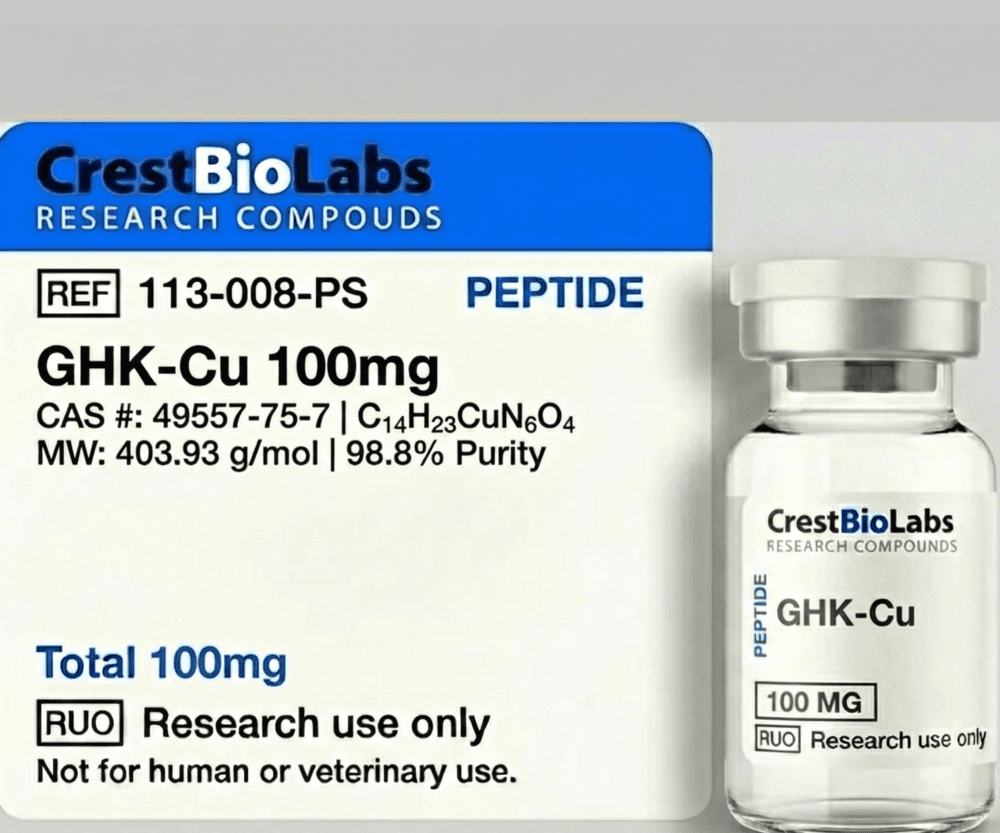
GHK-Cu 100mg
GHK-Cu (Copper Peptide) is a naturally occurring copper complex of the tripeptide glycyl-L-histidyl-L-lysine.
Quick Reference
About GHK-Cu 100mg
GHK-Cu is a small, naturally occurring tripeptide with a high affinity for copper ions. It is found in human plasma, saliva, and urine. Research has demonstrated its involvement in wound healing, tissue remodeling, and antioxidant activity. GHK-Cu has been shown to activate numerous regenerative processes at the gene level.
Mechanism of Action
Copper-binding tripeptide that activates tissue remodeling genes, promotes collagen and glycosaminoglycan synthesis, stimulates angiogenesis, and modulates metalloproteinase activity to coordinate wound healing and anti-inflammatory responses.
Research Applications
GHK peptide as a natural modulator of multiple cellular path...
BioMed Research International (2015)
The human tripeptide GHK-Cu in prevention of oxidative stres...
Oxidative Medicine and Cellular Longevity (2012)
Tripeptide-copper complex GHK-Cu accelerates wound healing p...
Journal of Biomedical Materials Research Part B (2007)
Product Quick Facts
HPLC Verified
98.8% purity confirmed
COA Available
Full chromatograms & MS data
Same-Day Shipping
Orders before 2 PM EST
Cold Chain
Temperature-controlled packaging
Handling Protocol
- •Store at 4°C, protect from light
- •Reconstitute with bacteriostatic water
- •Avoid repeated freeze-thaw cycles
- •Handle under sterile conditions
Related Research
What Are Peptides?
Introduction to peptide structure, classification, and research significance.
Cosmetic Peptide Research Hub
Research into peptides investigated for skin biology and dermatological applications.
HPLC Purity Testing Explained
How HPLC validates peptide purity and why it matters for research.
Peptide Stability & Storage Guide
Best practices for peptide storage, reconstitution, and handling.
Frequently Asked Questions About GHK-Cu 100mg
The blue color arises from the d-d electronic transition within the copper(II) ion's d-orbital system when it is coordinated in a square planar or distorted octahedral geometry by the peptide's nitrogen and oxygen donor atoms. Specifically, copper(II) complexes absorb light in the red-orange region (~600-700 nm) and transmit/reflect blue wavelengths, which is the same fundamental chemistry that gives copper sulfate its blue color. The intensity of the blue color in reconstituted GHK-Cu solutions can serve as a rough qualitative indicator of copper complexation — a pale or colorless solution may suggest copper dissociation or insufficient copper loading.
GHK (Gly-His-Lys) without copper is a simple tripeptide with a strong affinity for Cu(II) ions (log stability constant ~16.2), while GHK-Cu is the pre-formed 1:1 copper-peptide complex with distinct biological activity profiles. Copper-free GHK can chelate copper from surrounding media or biological fluids, making its effects dependent on ambient copper availability, which introduces an uncontrolled variable in experimental systems. Pre-complexed GHK-Cu delivers a defined copper payload directly to tissues and activates copper-dependent enzymatic pathways including lysyl oxidase (collagen crosslinking) and superoxide dismutase immediately upon cellular uptake. For reproducible research outcomes, GHK-Cu is preferred because the copper:peptide stoichiometry is fixed at synthesis, whereas copper-free GHK may produce variable results depending on the copper content of the culture medium or biological matrix used.
GHK-Cu's copper coordination complex can undergo structural rearrangement during freezing as ice crystal formation concentrates solutes and shifts local pH, potentially causing copper dissociation from the peptide and subsequent loss of biological activity upon thawing. At 4°C, the lyophilized powder and the coordination geometry remain stable without the mechanical stress of ice crystal formation in any residual moisture. Additionally, repeated freeze-thaw cycles are particularly damaging to metal-peptide complexes because the copper(II) ion can catalyze oxidative damage to the histidine imidazole ring during the transient concentration spikes that occur at ice-liquid interfaces. Protection from light is also specified because UV radiation can photo-reduce Cu(II) to Cu(I), which has different coordination chemistry and generates reactive oxygen species that degrade the peptide backbone.
Dissolve the 100mg lyophilized powder in sterile water to the desired concentration, typically 5-50 mg/mL depending on the application, by adding water slowly and swirling gently until the characteristic blue color is uniform throughout the solution with no undissolved particles. Do not use phosphate-buffered saline (PBS) at high concentrations, as phosphate can compete with the peptide for copper coordination at elevated temperatures, potentially displacing the metal. The reconstituted solution should be stored at 4°C protected from light and used within 14 days. For cell culture applications, prepare fresh dilutions into serum-free media immediately before use, as serum albumin and transferrin in complete media can sequester the copper ion over extended incubation periods, altering the effective GHK-Cu concentration.
GHK-Cu exists as a 1:1 copper(II):peptide complex in which the Cu(II) ion is coordinated by the glycine terminal amino group, the amide nitrogen between glycine and histidine, the histidine imidazole nitrogen, and the lysine side chain amino group in a square planar arrangement. This defined stoichiometry means each molecule delivers exactly one copper ion, allowing researchers to calculate precise copper concentrations in their experimental systems — a critical consideration since copper is biologically active at nanomolar concentrations but cytotoxic at micromolar levels. If excess free copper were present in a poorly manufactured preparation, it could generate hydroxyl radicals via Fenton-type chemistry and produce artifactual oxidative stress in cell cultures.
Gene expression profiling studies, particularly the Broad Institute Connectivity Map analysis published by Pickart and colleagues, demonstrated that GHK-Cu modulates the expression of approximately 4,000 human genes, representing roughly 6% of the human genome. The upregulated gene clusters are enriched in extracellular matrix components (collagens I and III, decorin, elastin), antioxidant defense systems (superoxide dismutase, glutathione-related enzymes), DNA repair pathways, and anti-inflammatory mediators including IL-10 and TGF-beta family members. Concurrently, GHK-Cu downregulates pro-inflammatory cytokines (IL-6, TNF-alpha), pro-fibrotic mediators, and several metalloproteinases involved in excessive tissue degradation. This bidirectional gene modulation profile — simultaneously promoting tissue remodeling while suppressing destructive inflammation — is unusually broad for a tripeptide and distinguishes GHK-Cu from most single-target peptide ligands in the research literature.
GHK-Cu is present in human plasma at approximately 200 ng/mL (roughly 500 nM) in young adults around age 20, declining to approximately 80 ng/mL (roughly 200 nM) by age 60, representing a 60% reduction over four decades. This age-related decline was first characterized through copper-binding peptide fractionation studies of human serum and correlates temporally with decreased wound healing capacity, reduced collagen synthesis rates, and diminished antioxidant enzyme activity observed in aging tissues. GHK-Cu has also been detected in saliva and urine, suggesting it is a systemically distributed endogenous peptide rather than a purely circulatory factor. The declining plasma concentration provides a quantitative framework for researchers designing dose-response studies, as physiologically relevant in vitro concentrations should bracket the 200-500 nM range to model the young-to-aged spectrum.
AHK-Cu (Ala-His-Lys-Cu) is a related copper tripeptide found in human plasma that shares the His-Lys copper-binding motif but substitutes alanine for glycine at the N-terminal position, resulting in a slightly different copper coordination geometry and a distinct (though overlapping) gene expression modulation profile. In comparative studies, GHK-Cu demonstrates stronger collagen-stimulating activity and broader gene modulation scope than AHK-Cu, likely due to differences in copper binding affinity and cellular uptake kinetics. Other copper peptides studied include DAHK (the N-terminal copper-binding domain of human serum albumin), which has high copper affinity but primarily serves a copper transport rather than signaling function. For tissue remodeling and regenerative biology research, GHK-Cu remains the most extensively characterized copper peptide, with over 60 years of published data since its initial discovery by Pickart in the 1970s from human albumin hydrolysates.
You May Also Need
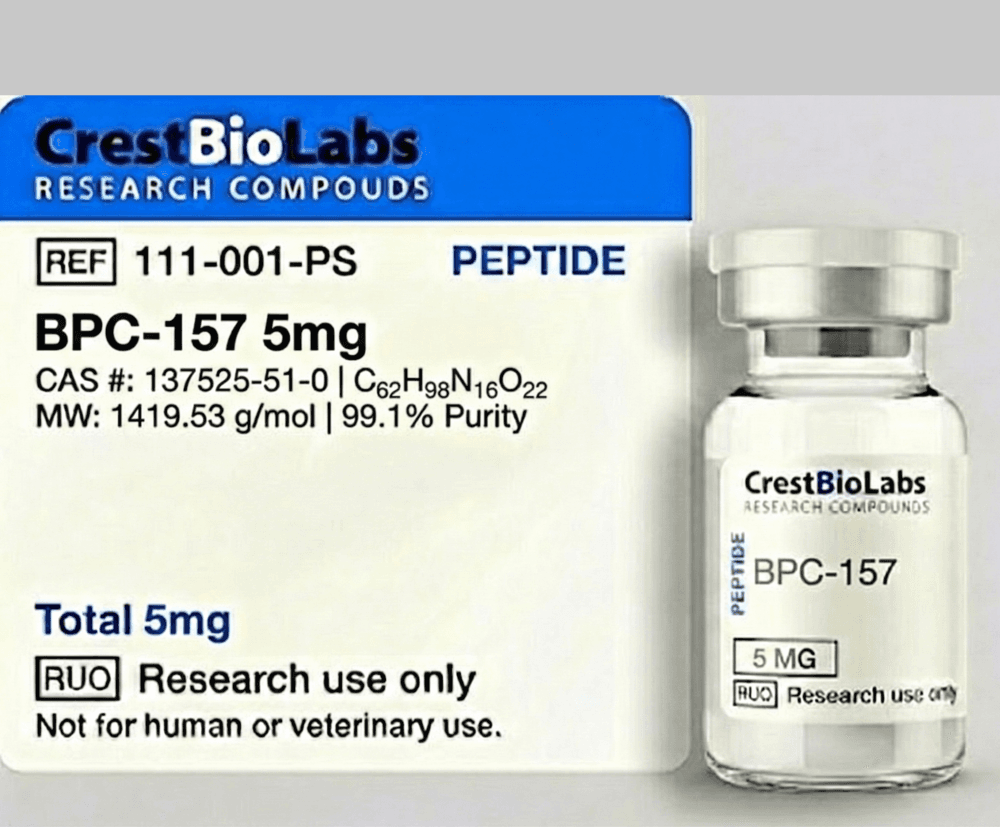
BPC-157 5mg
C62H98N16O22
Body Protection Compound-157 (BPC-157) is a pentadecapeptide composed of 15 amino acids. It is a partial sequence of body protection compound derived from human gastric juice.
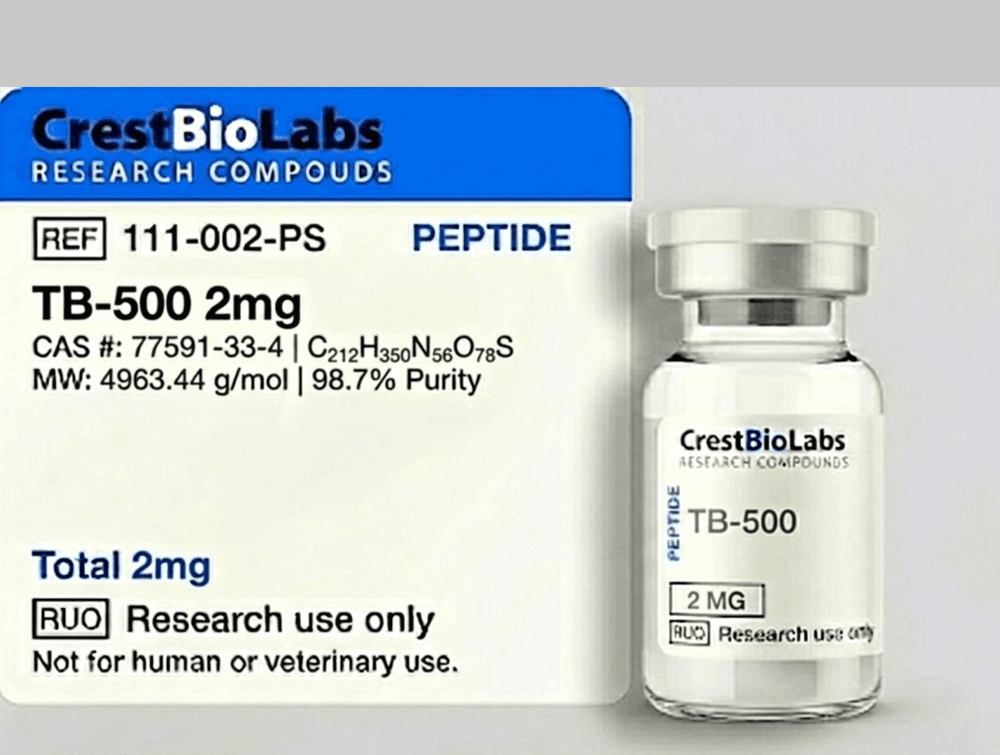
TB-500 2mg
C212H350N56O78S
Thymosin Beta-4 (TB-500) is a naturally occurring peptide present in virtually all human and animal cells. It plays a critical role in tissue repair and regeneration.
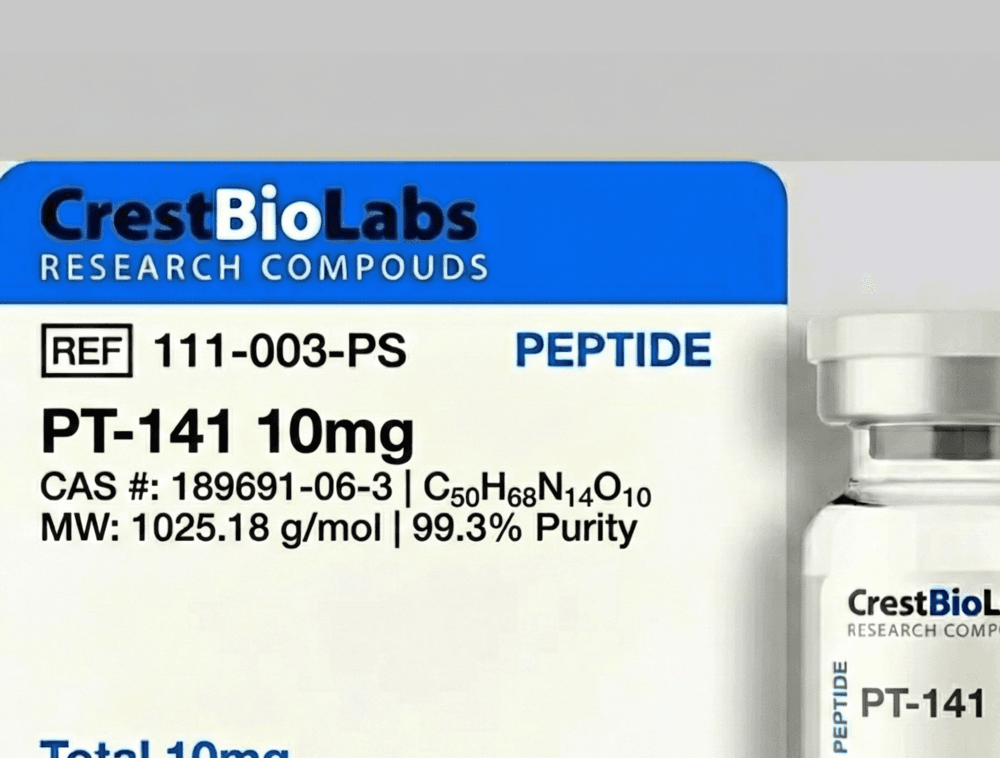
PT-141 10mg
C50H68N14O10
PT-141 (Bremelanotide) is a synthetic peptide analog of alpha-melanocyte stimulating hormone. It was developed from Melanotan II research.
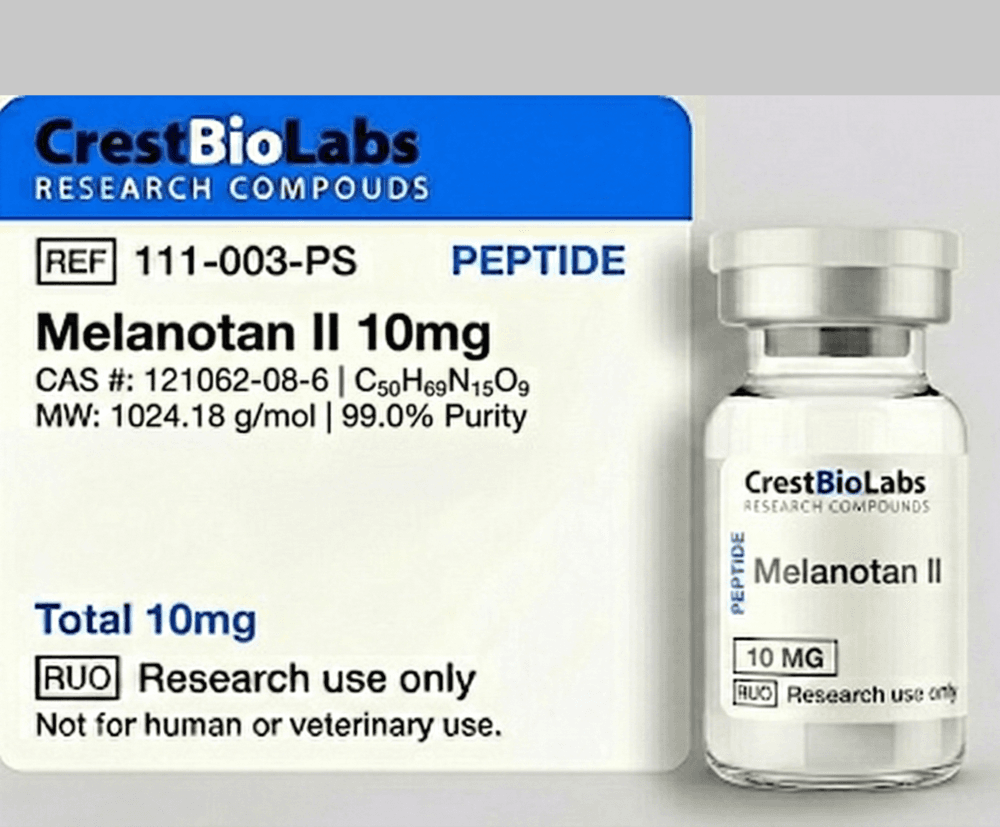
Melanotan II 10mg
C50H69N15O9
Melanotan II is a synthetic analog of the naturally occurring melanocortin peptide hormone alpha-melanocyte-stimulating hormone (α-MSH).