
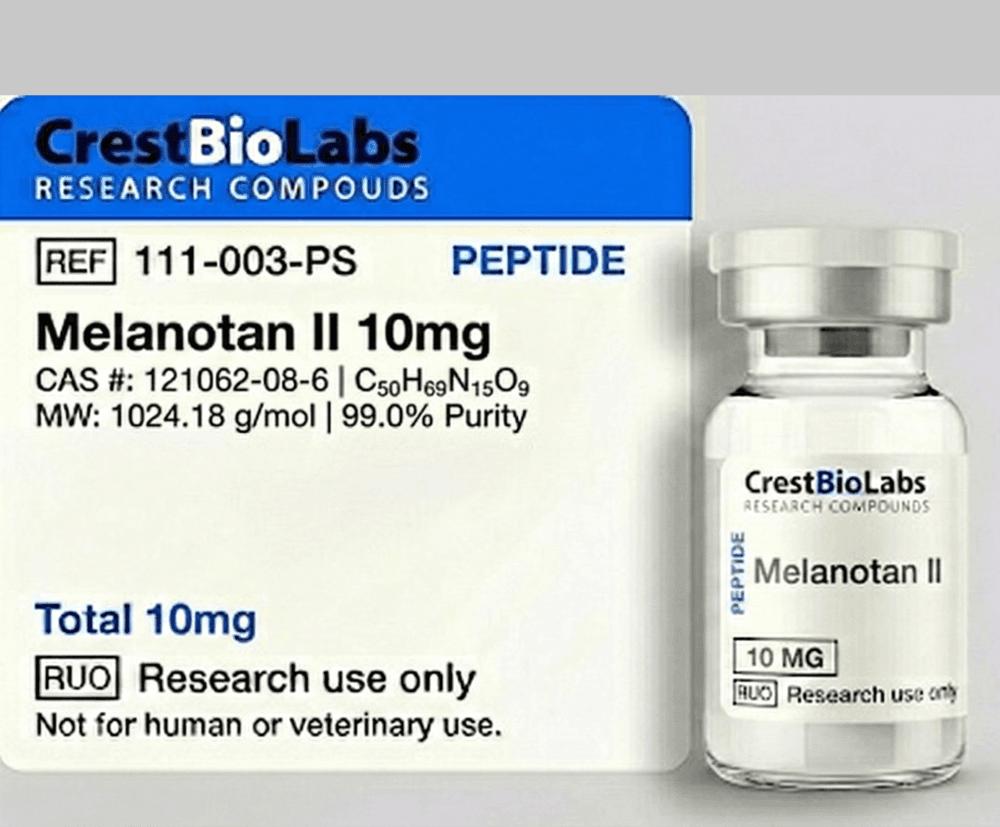
Melanotan II 10mg
Melanotan II is a synthetic analog of the naturally occurring melanocortin peptide hormone alpha-melanocyte-stimulating hormone (α-MSH).
Quick Reference
This product is temporarily unavailable. Join our notification list to be the first to know when it's back in stock.
About Melanotan II 10mg
Melanotan II is a cyclic heptapeptide that acts as a non-selective agonist of melanocortin receptors MC1, MC3, MC4, and MC5. It has been extensively studied for its role in melanogenesis and various physiological processes. Supplied as a lyophilized powder for laboratory research use only.
Mechanism of Action
Non-selective agonist of melanocortin receptors (MC1R–MC5R), stimulating melanogenesis via MC1R activation and cAMP-dependent signaling in melanocytes, leading to increased eumelanin production.
Research Applications
Superpotent melanotropin [4-norleucine, 7-D-phenylalanine]-a...
Journal of Investigative Dermatology (1989)
Melanotan II: a potential future treatment for melanocortin ...
Life Sciences (1996)
The melanocortin system as a potential target in obesity res...
European Journal of Pharmacology (2008)
Product Quick Facts
HPLC Verified
99.0% purity confirmed
COA Available
Full chromatograms & MS data
Same-Day Shipping
Orders before 2 PM EST
Cold Chain
Temperature-controlled packaging
Handling Protocol
- •Store at -20°C, desiccated
- •Reconstitute with bacteriostatic water
- •Avoid repeated freeze-thaw cycles
- •Handle under sterile conditions
Related Research
What Are Peptides?
Introduction to peptide structure, classification, and research significance.
Solid-Phase Peptide Synthesis (SPPS)
How SPPS works, Fmoc vs Boc chemistry, and modern synthesis advances.
HPLC Purity Testing Explained
How HPLC validates peptide purity and why it matters for research.
Peptide Stability & Storage Guide
Best practices for peptide storage, reconstitution, and handling.
Frequently Asked Questions About Melanotan II 10mg
Melanotan I (afamelanotide) is a linear 13-amino acid analog of alpha-MSH with high selectivity for the MC1R receptor, making it a focused tool for melanogenesis research, while Melanotan II is a cyclic 7-amino acid peptide with non-selective agonist activity across MC1R through MC5R, enabling research into a much broader range of melanocortin-mediated pathways. The cyclic structure of Melanotan II confers significantly higher metabolic stability and potency per mole compared to the linear Melanotan I, which is more susceptible to endopeptidase cleavage at multiple sites along its extended chain. In practical terms, Melanotan I research has focused almost exclusively on pigmentation and photoprotection models, whereas Melanotan II has been utilized across pigmentation, energy homeostasis, sexual behavior, and appetite regulation studies due to its multi-receptor engagement profile.
Melanotan II's lactam bridge between the Asp and Lys side chains constrains the peptide into a rigid cyclic conformation that dramatically reduces the conformational entropy penalty upon receptor binding, resulting in higher binding affinity at melanocortin receptors compared to linear analogs of equivalent sequence. This cyclization also shields internal peptide bonds from exopeptidase and endopeptidase access, extending the effective half-life in biological matrices and reducing the rate of proteolytic degradation in serum-containing cell culture media. The constrained conformation additionally positions the pharmacophore residues (His, D-Phe, Arg, Trp) in an optimal spatial arrangement for simultaneous contact with the MC receptor binding pocket, which is why cyclic melanocortin analogs consistently demonstrate 10-100 fold greater potency than their linear counterparts in cAMP accumulation assays.
Melanotan II 10mg should be reconstituted with bacteriostatic water by adding solvent along the vial wall, typically using 2 mL for a 5 mg/mL stock or 4 mL for a 2.5 mg/mL working concentration, and allowed to dissolve passively without agitation. The reconstituted solution must be protected from light at all times due to the presence of tryptophan and the D-phenylalanine residue, which undergo photo-oxidation under UV and ambient fluorescent lighting, generating degradation products detectable by HPLC within hours of continuous light exposure. Store reconstituted Melanotan II in amber vials or foil-wrapped containers at 2-8°C for up to 21 days, or aliquot into single-use volumes and freeze at -20°C for extended storage, limiting freeze-thaw cycles to three or fewer.
Melanotan II acts as a non-selective agonist with nanomolar-range affinity at MC1R, MC3R, MC4R, and MC5R, with relative potencies varying by assay system but generally showing highest functional activity at MC1R and MC4R in cAMP accumulation assays using transfected cell lines. It has minimal activity at MC2R, which is the ACTH-specific receptor predominantly expressed in the adrenal cortex and requiring the accessory protein MRAP for functional expression. This broad receptor engagement profile means that Melanotan II simultaneously activates melanogenic pathways (MC1R on melanocytes), appetite and energy homeostasis circuits (MC3R/MC4R in hypothalamus), and exocrine gland function pathways (MC5R), making it essential for researchers to design appropriate controls and selective antagonists into experimental protocols to attribute observed effects to specific receptor subtypes.
PT-141 was derived from Melanotan II by removing the cyclic lactam bridge to produce a linear metabolite with reduced MC1R affinity while retaining MC3R and MC4R agonism, effectively separating melanogenic activity from central nervous system-mediated behavioral effects. In comparative receptor binding studies, Melanotan II demonstrates 5-10 fold higher potency at MC1R than PT-141, which directly correlates with Melanotan II's stronger melanogenic effects in melanocyte culture models. For researchers designing studies focused specifically on hypothalamic melanocortin signaling, PT-141 offers the advantage of reduced confounding pigmentation variables, whereas Melanotan II remains the preferred tool when studying the full spectrum of melanocortin receptor biology or when MC1R-mediated effects are part of the research question.
Upon binding to melanocortin receptors, Melanotan II stabilizes the active receptor conformation, promoting coupling to stimulatory Gs-alpha proteins that activate adenylyl cyclase and catalyze the conversion of ATP to cyclic AMP. Elevated intracellular cAMP activates protein kinase A (PKA), which phosphorylates the cAMP response element-binding protein (CREB), driving transcription of melanogenesis-related genes including tyrosinase (TYR), tyrosinase-related protein 1 (TYRP1), and dopachrome tautomerase (DCT) in melanocyte models. The MITF (microphthalmia-associated transcription factor) pathway is simultaneously upregulated downstream of PKA/CREB activation, serving as the master transcriptional regulator that coordinates the entire melanogenic enzyme cascade, and this cAMP-PKA-CREB-MITF axis represents the canonical signaling pathway measured in Melanotan II potency assays.
Degraded Melanotan II lyophilized powder may appear discolored from its normal white or off-white appearance to yellow or tan, indicating oxidation of the tryptophan indole ring to kynurenine or N-formylkynurenine derivatives, which can be confirmed by UV absorbance shifts from 280 nm toward 320-360 nm. After reconstitution, formation of visible particulates, haziness, or a significant drop in measured peptide concentration by UV spectrophotometry at 280 nm compared to the expected value suggests aggregation and precipitation of degraded species. Definitive quality verification requires analytical HPLC showing a single dominant peak with greater than 95% area purity and electrospray mass spectrometry confirming the intact molecular ion at m/z 1024.18, with the absence of +16 Da oxidation adducts or -17 Da deamidation products that indicate compromised peptide integrity.
The 'superpotent' designation originates from the foundational work by Hadley, Hruby, and colleagues at the University of Arizona in the late 1980s, who demonstrated that Melanotan II induced melanin dispersion in frog (Rana pipiens and Anolis carolinensis) skin bioassays at concentrations 100-1000 fold lower than the native alpha-MSH hormone. This extraordinary potency arises from the combination of the D-phenylalanine substitution at position 7, which confers enzymatic resistance and enhanced receptor binding geometry, the Nle substitution at position 4 that prevents methionine oxidation, and the cyclic lactam constraint that pre-organizes the pharmacophore into the bioactive conformation. The Hadley 1989 publication in Life Sciences established Melanotan II as the benchmark melanocortin agonist against which all subsequent synthetic analogs have been compared, and its design principles directly informed the development of PT-141, setmelanotide, and other clinically investigated melanocortin peptides.
You May Also Need
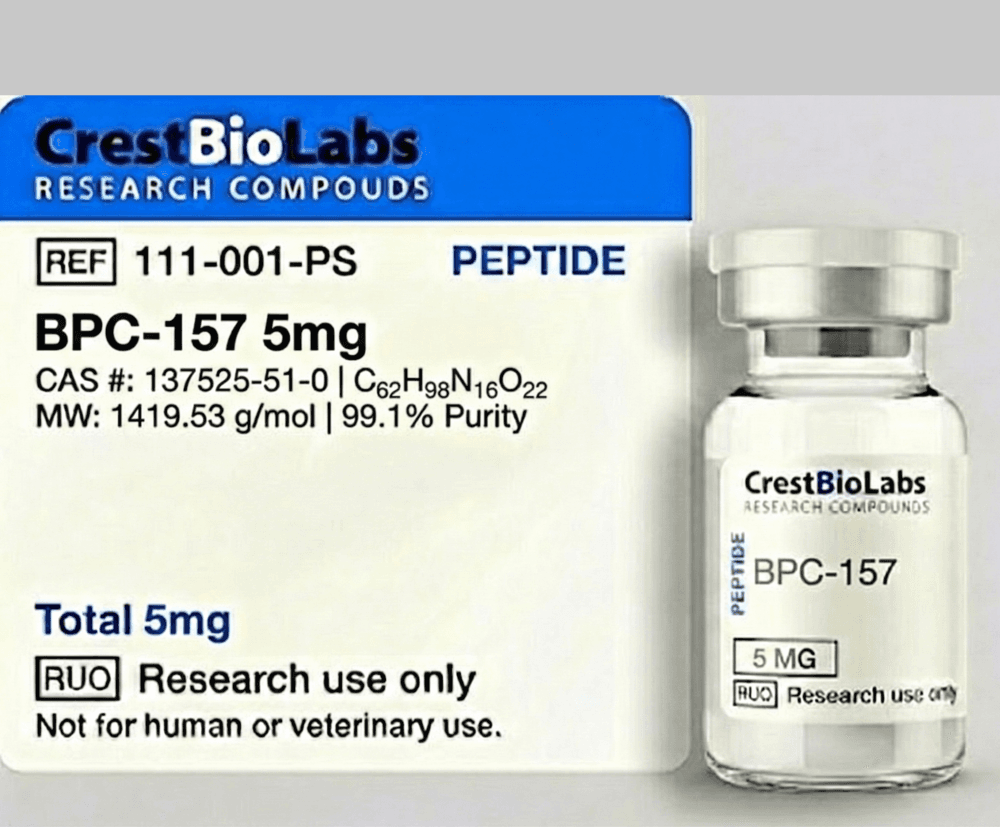
BPC-157 5mg
C62H98N16O22
Body Protection Compound-157 (BPC-157) is a pentadecapeptide composed of 15 amino acids. It is a partial sequence of body protection compound derived from human gastric juice.
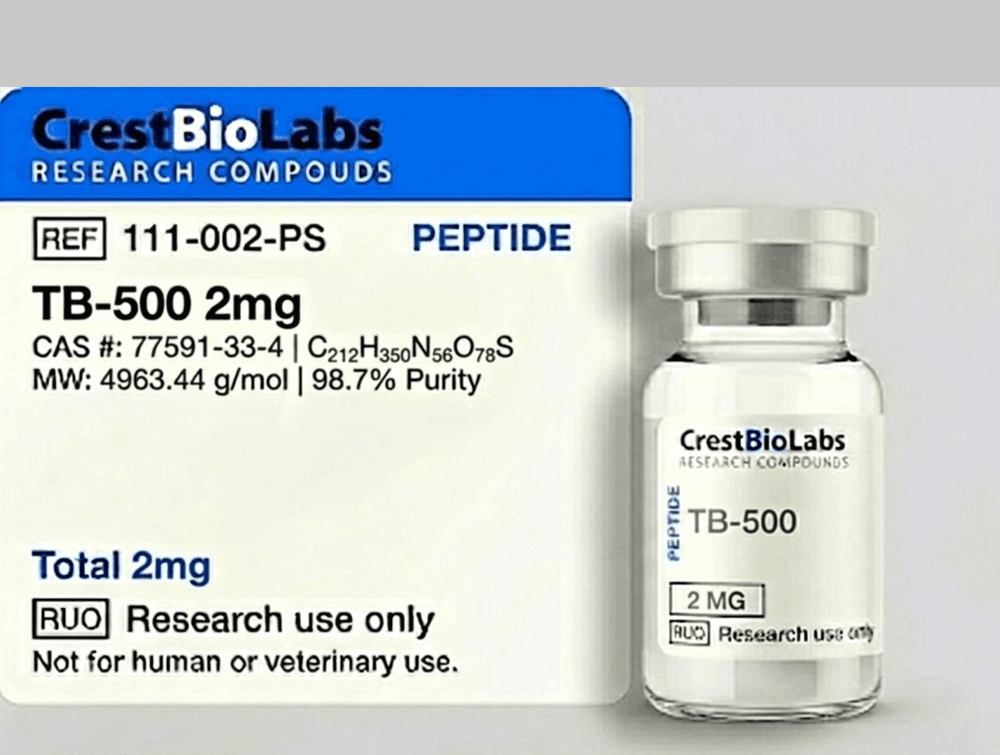
TB-500 2mg
C212H350N56O78S
Thymosin Beta-4 (TB-500) is a naturally occurring peptide present in virtually all human and animal cells. It plays a critical role in tissue repair and regeneration.
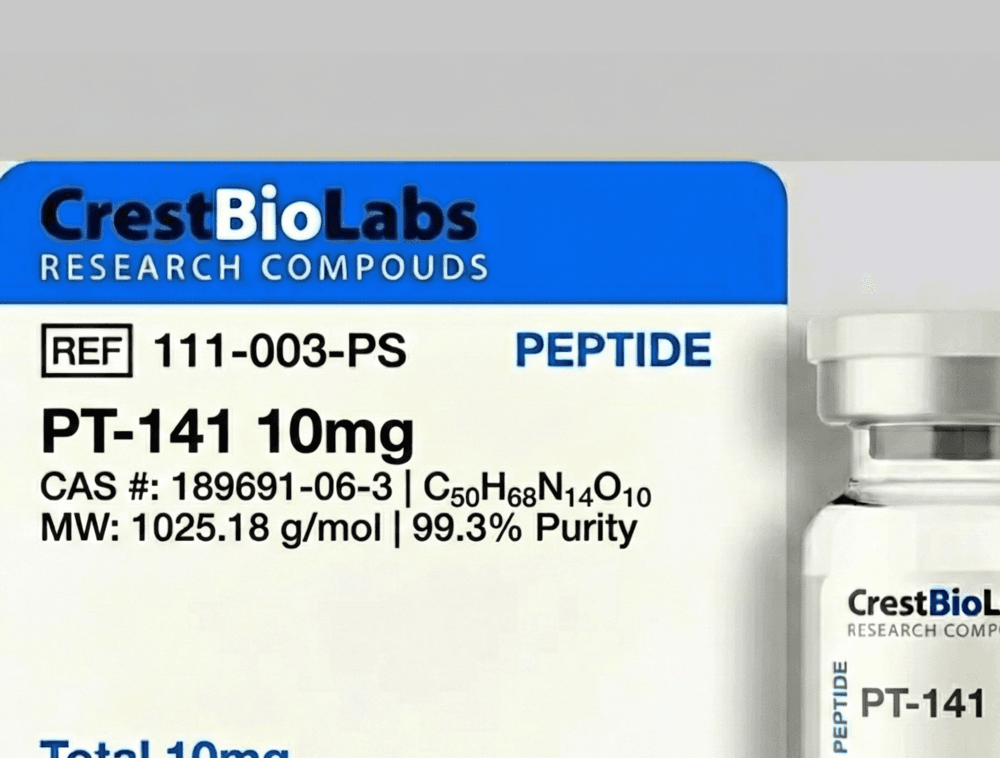
PT-141 10mg
C50H68N14O10
PT-141 (Bremelanotide) is a synthetic peptide analog of alpha-melanocyte stimulating hormone. It was developed from Melanotan II research.
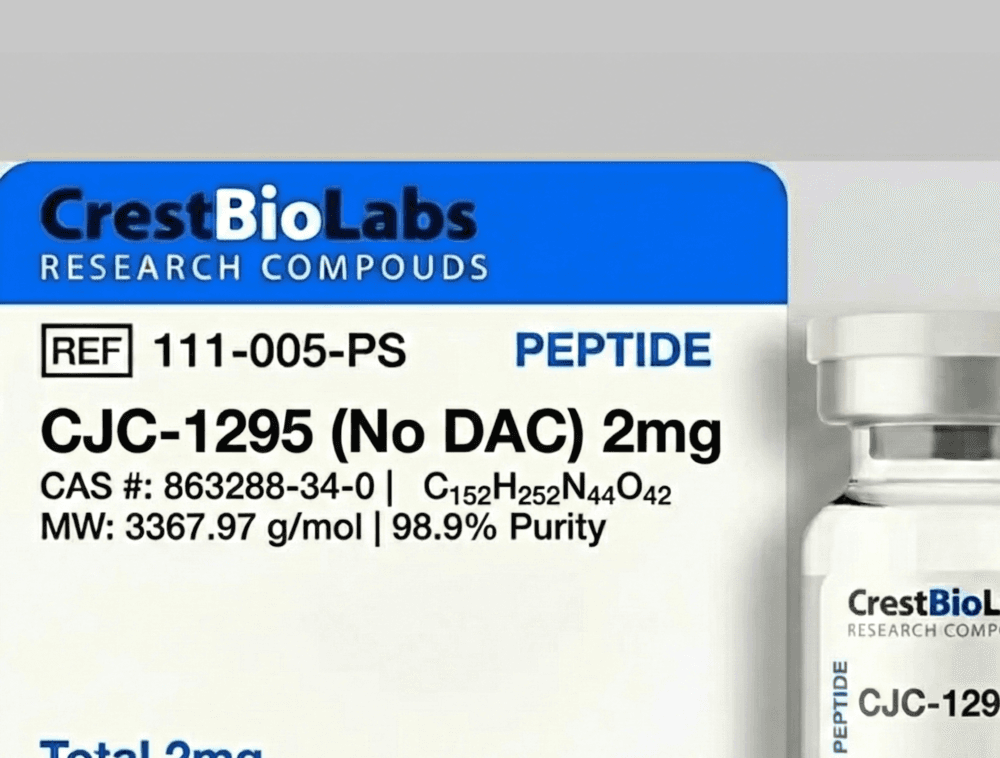
CJC-1295 (No DAC) 2mg
C152H252N44O42
CJC-1295 without DAC (also known as Mod GRF 1-29) is a synthetic analog of growth hormone-releasing hormone with modified amino acids.