
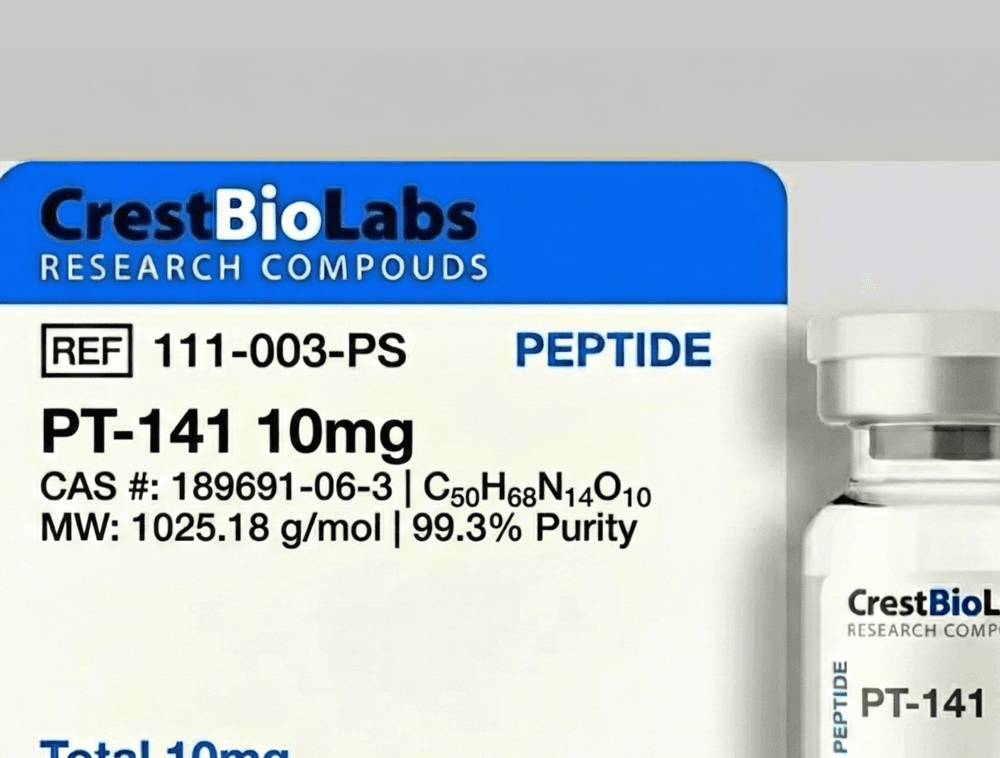
PT-141 10mg
PT-141 (Bremelanotide) is a synthetic peptide analog of alpha-melanocyte stimulating hormone. It was developed from Melanotan II research.
Quick Reference
This product is temporarily unavailable. Join our notification list to be the first to know when it's back in stock.
About PT-141 10mg
PT-141, also known as Bremelanotide, is a melanocortin receptor agonist that has been studied for its effects on the central nervous system. Unlike other compounds in its class, PT-141 works through a unique mechanism of action via the nervous system rather than the vascular system. Supplied as a lyophilized powder for in-vitro research.
Mechanism of Action
Acts as a non-selective agonist at melanocortin receptors MC3R and MC4R in the central nervous system, activating hypothalamic neural pathways distinct from peripheral vascular mechanisms.
Research Applications
Bremelanotide: new drug approved for treating hypoactive sex...
Obstetrics & Gynecology (2019)
An overview of bremelanotide as a treatment for hypoactive s...
Expert Opinion on Pharmacotherapy (2020)
Product Quick Facts
HPLC Verified
99.3% purity confirmed
COA Available
Full chromatograms & MS data
Same-Day Shipping
Orders before 2 PM EST
Cold Chain
Temperature-controlled packaging
Handling Protocol
- •Store at -20°C, desiccated
- •Reconstitute with bacteriostatic water
- •Avoid repeated freeze-thaw cycles
- •Handle under sterile conditions
Related Research
What Are Peptides?
Introduction to peptide structure, classification, and research significance.
Solid-Phase Peptide Synthesis (SPPS)
How SPPS works, Fmoc vs Boc chemistry, and modern synthesis advances.
Mass Spectrometry for Peptide Analysis
ESI-MS and MALDI-TOF methods for confirming peptide identity.
Peptide Stability & Storage Guide
Best practices for peptide storage, reconstitution, and handling.
Frequently Asked Questions About PT-141 10mg
PT-141 (bremelanotide) is a metabolite-derived analog of Melanotan II that was developed after researchers observed that Melanotan II's effects on sexual behavior in animal models were independent of its melanogenic (pigmentation) activity. Structurally, PT-141 is a linear heptapeptide formed by removing the C-terminal amide group from the cyclic Melanotan II structure, which eliminates the lactam bridge and substantially reduces binding affinity at the MC1R receptor responsible for melanogenesis while preserving agonist activity at MC3R and MC4R. This structural modification allowed researchers to isolate the central nervous system-mediated behavioral effects from the peripheral pigmentation effects, making PT-141 a more selective pharmacological tool for studying melanocortin receptor signaling in hypothalamic pathways.
PT-141 10mg should be reconstituted in bacteriostatic water or sterile water for injection by adding solvent slowly down the inner wall of the vial, yielding a common stock concentration of 5 mg/mL with 2 mL of solvent or 2.5 mg/mL with 4 mL. For cell-based melanocortin receptor binding assays, DMSO can be used to prepare concentrated stock solutions at 10 mg/mL, which should be aliquoted and stored at -20°C, then diluted into aqueous assay buffer immediately before use to keep final DMSO concentration below 0.1%. PT-141 is also soluble in DMF (dimethylformamide) for applications requiring an aprotic solvent, though DMF stocks are less commonly used due to DMF's higher cellular toxicity profile compared to DMSO at equivalent concentrations.
PT-141 acts as a non-selective agonist with highest functional potency at MC4R and MC3R, moderate activity at MC5R, substantially reduced affinity at MC1R compared to its parent compound Melanotan II, and minimal meaningful activity at MC2R (the ACTH receptor). The MC4R receptor is predominantly expressed in hypothalamic nuclei including the paraventricular nucleus and medial preoptic area, which are regions directly involved in the regulation of sexual behavior, appetite, and autonomic function in rodent models. This receptor selectivity profile distinguishes PT-141 from alpha-MSH and Melanotan II, which activate MC1R with high potency and therefore drive melanocyte stimulation as a dominant pharmacological effect alongside any central receptor activation.
PT-141 activates melanocortin receptors MC3R and MC4R in the hypothalamus, initiating a central nervous system signaling cascade that descends through autonomic pathways, which is mechanistically distinct from compounds that act on peripheral vascular smooth muscle or endothelial nitric oxide production. Published research in rat models demonstrated that PT-141's behavioral effects were abolished by intracerebroventricular administration of MC4R antagonists such as SHU-9119, confirming the CNS-dependent mechanism, whereas the effects were preserved after peripheral sympathectomy. This central mechanism means that PT-141 research requires consideration of blood-brain barrier penetration kinetics, hypothalamic receptor density, and downstream oxytocin and dopaminergic signaling pathways rather than the vascular endpoints measured with peripherally-acting vasoactive compounds.
PT-141 contains tryptophan and phenylalanine residues that are susceptible to photo-oxidation under UV and visible light exposure, generating dioxindolylalanine and other oxidation products that reduce receptor binding potency. Lyophilized PT-141 should be stored at -20°C in amber vials or wrapped in foil, and reconstituted solutions should be kept in light-protected containers at 2-8°C with a recommended use window of 14-21 days in bacteriostatic water. Researchers performing melanocortin receptor binding assays should prepare working dilutions in subdued lighting conditions and minimize the time reconstituted peptide spends at room temperature, as the combination of light exposure and elevated temperature accelerates degradation synergistically.
PT-141 occupies a unique pharmacological niche as the only melanocortin agonist specifically optimized for CNS receptor activation with minimal melanogenic activity, bridging the gap between the broad-spectrum agonist Melanotan II and highly selective synthetic MC4R agonists like setmelanotide that were developed later. Its linear structure, resulting from the removal of the cyclic lactam bridge present in Melanotan II, confers a different pharmacokinetic profile with a half-life of approximately 2.5 hours and altered tissue distribution compared to cyclic melanocortin peptides. PT-141 also served historically as a critical proof-of-concept molecule demonstrating that melanocortin-mediated behavioral effects could be pharmacologically separated from pigmentation effects, which directly informed the design of subsequent generation-selective melanocortin receptor ligands.
PT-141 has an extensive preclinical research history in rat and primate models dating to the early 2000s, with key studies published in journals including the Proceedings of the National Academy of Sciences, Annals of the New York Academy of Sciences, and the Journal of Sexual Medicine. It advanced through multiple phases of human clinical investigation as bremelanotide, making it one of the most thoroughly characterized melanocortin peptides in terms of human pharmacokinetic and pharmacodynamic data available in the published literature. Researchers referencing the clinical dataset should note that early intranasal formulation studies were discontinued due to blood pressure elevation signals, and subsequent subcutaneous administration protocols showed an altered adverse effect profile, which is documented across several published phase II and III trial reports.
For competitive binding assays at melanocortin receptors, PT-141 stock solutions should be prepared fresh or from single-use frozen aliquots to avoid the cumulative degradation that occurs with repeated freeze-thaw cycles, which can introduce oxidized peptide species that act as partial agonists and confound dose-response curves. When conducting functional assays using cell lines expressing recombinant MC3R or MC4R (commonly HEK293 or COS-7 transfectants), PT-141 should be dissolved in assay buffer containing 0.1% BSA to prevent nonspecific adsorption to plastic surfaces, which can cause apparent potency loss of 20-40% at sub-micromolar concentrations. Researchers should also include the MC4R antagonist SHU-9119 as a standard reference compound in parallel wells to confirm receptor-specific signaling and rule out artifacts from non-melanocortin pathway activation.
You May Also Need
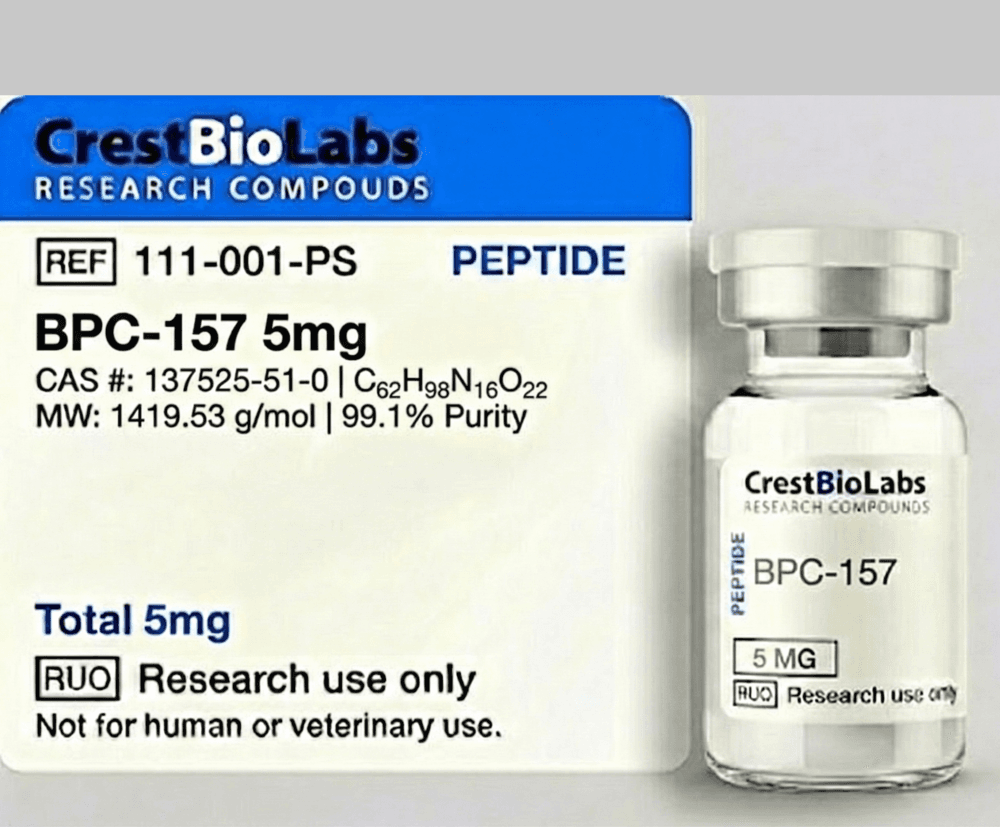
BPC-157 5mg
C62H98N16O22
Body Protection Compound-157 (BPC-157) is a pentadecapeptide composed of 15 amino acids. It is a partial sequence of body protection compound derived from human gastric juice.
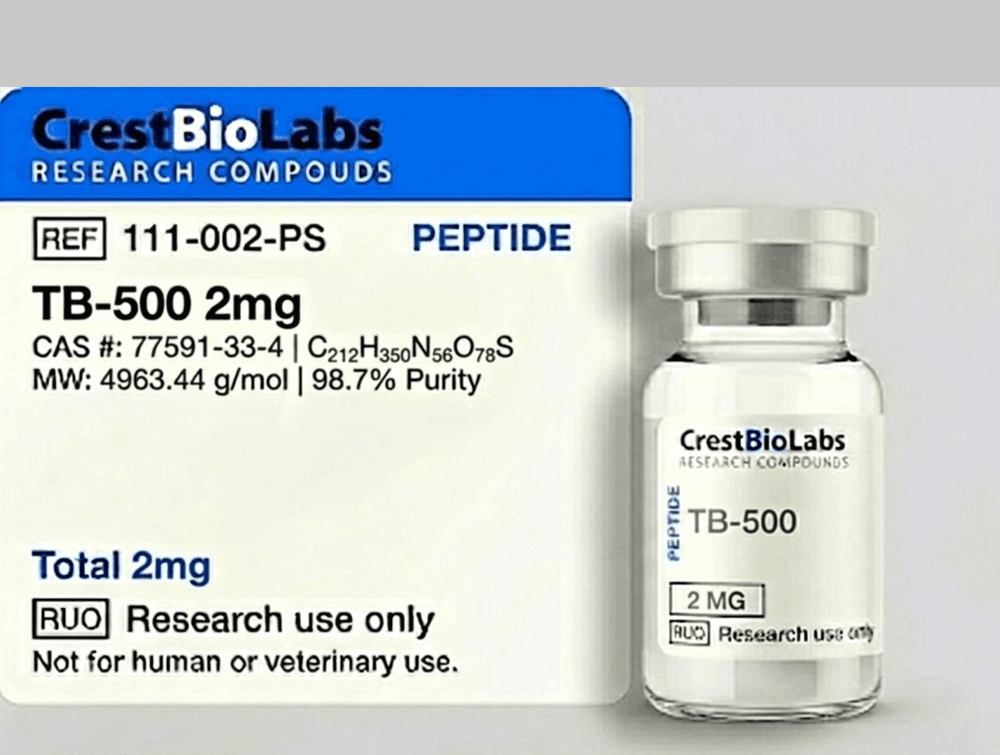
TB-500 2mg
C212H350N56O78S
Thymosin Beta-4 (TB-500) is a naturally occurring peptide present in virtually all human and animal cells. It plays a critical role in tissue repair and regeneration.
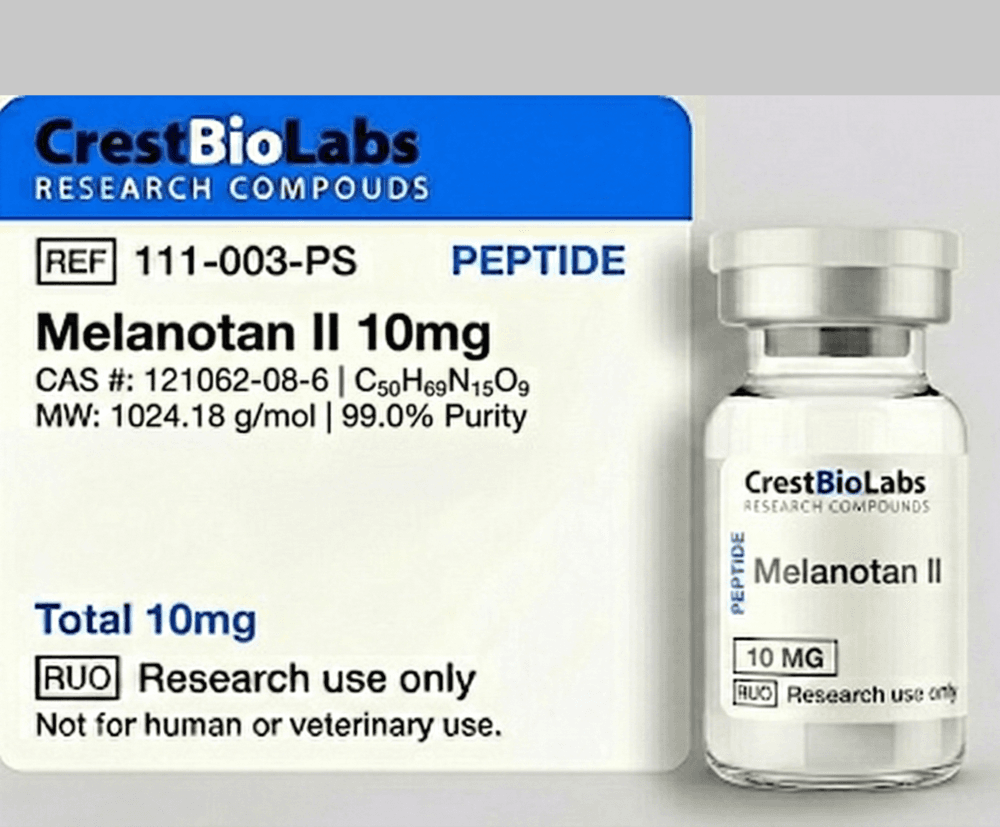
Melanotan II 10mg
C50H69N15O9
Melanotan II is a synthetic analog of the naturally occurring melanocortin peptide hormone alpha-melanocyte-stimulating hormone (α-MSH).
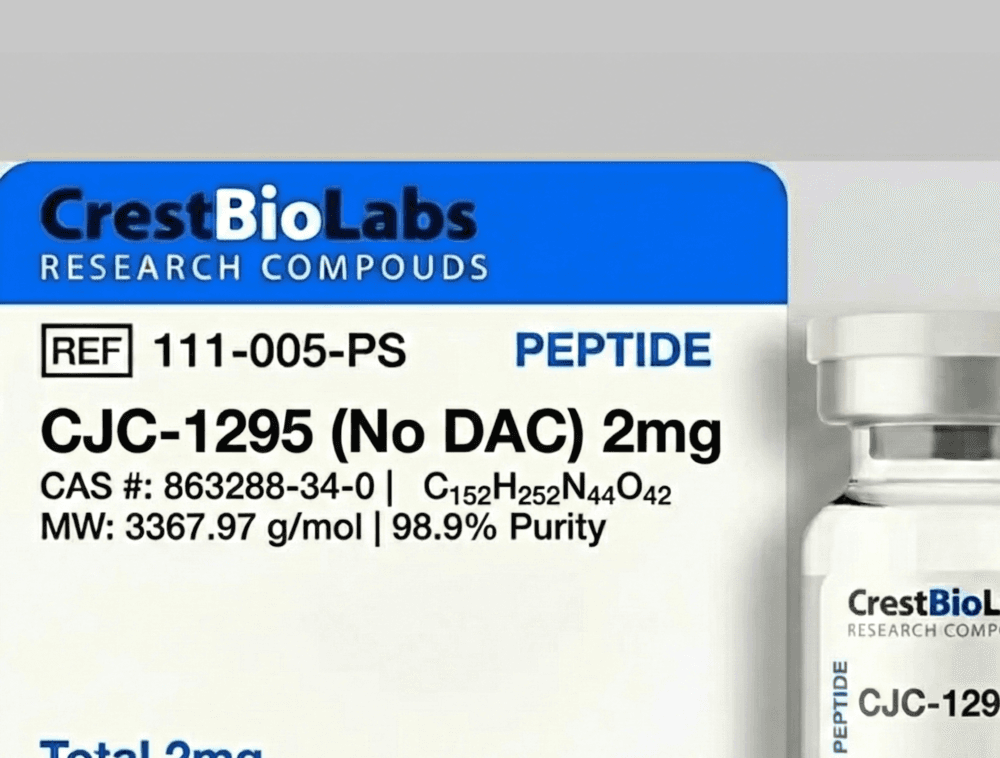
CJC-1295 (No DAC) 2mg
C152H252N44O42
CJC-1295 without DAC (also known as Mod GRF 1-29) is a synthetic analog of growth hormone-releasing hormone with modified amino acids.