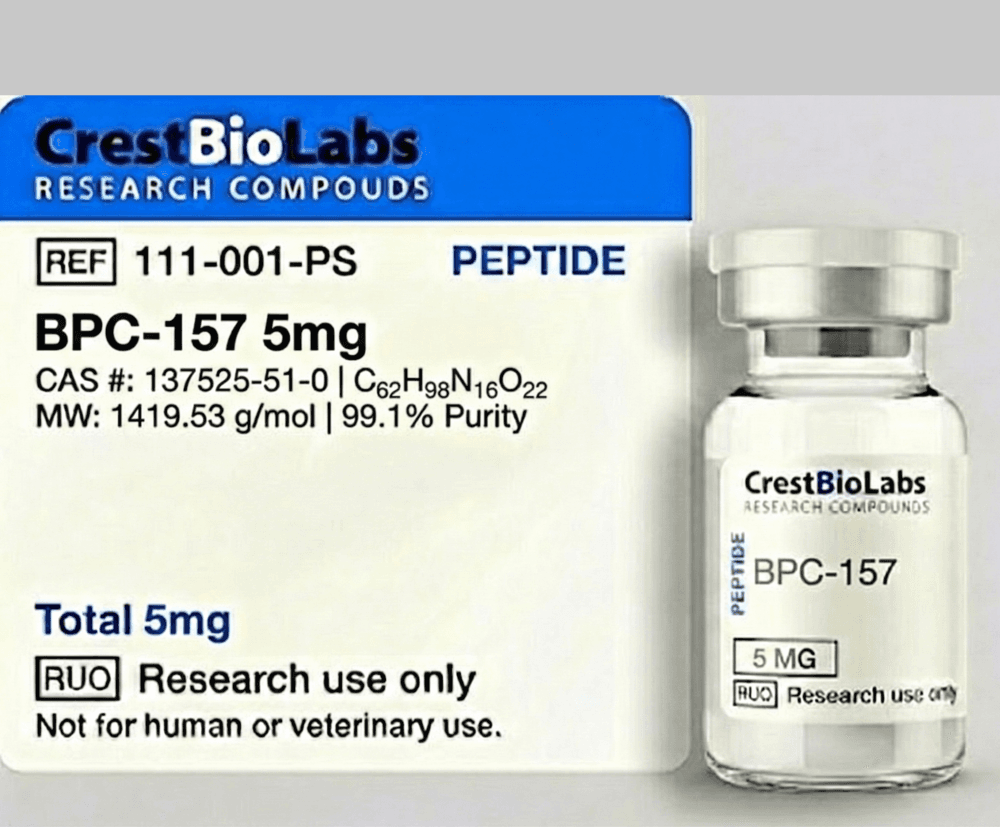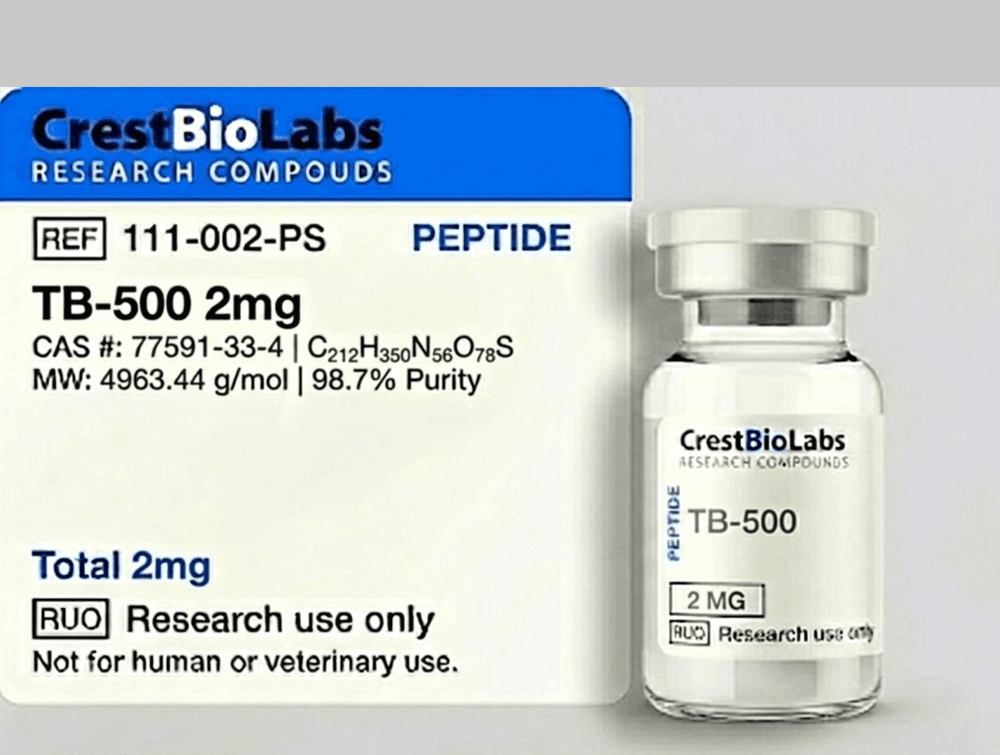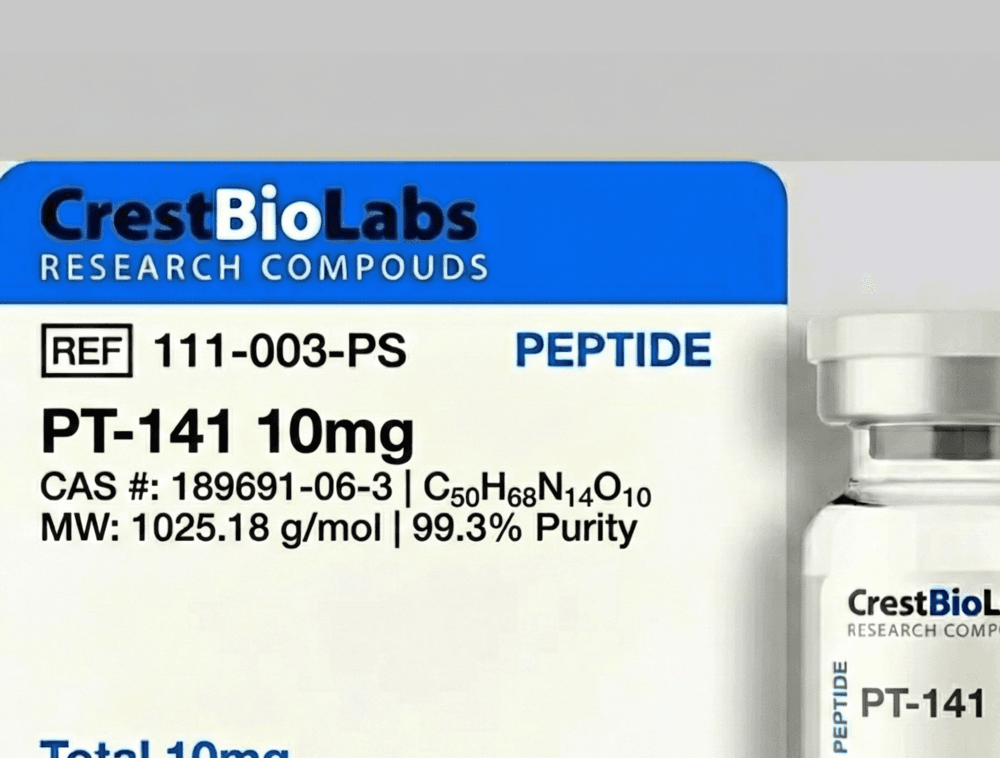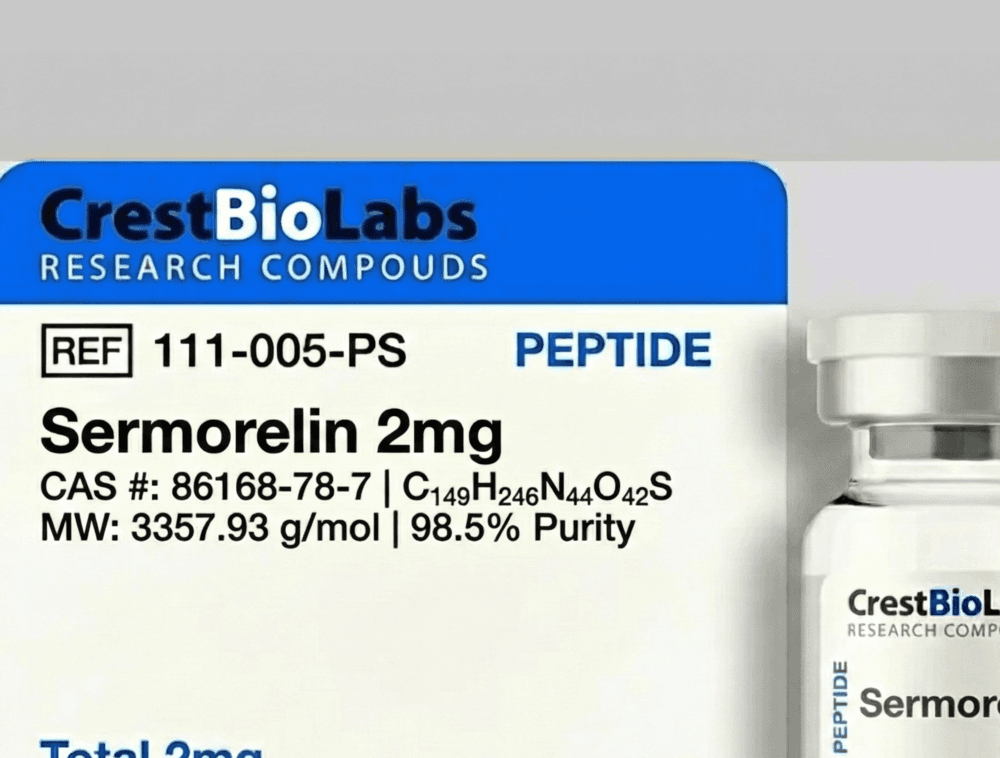
Historical Background: Merrifield and the Solid-Phase Revolution
Solid-phase peptide synthesis was conceived and first demonstrated by Robert Bruce Merrifield at Rockefeller University in 1963. His landmark publication in the Journal of the American Chemical Society described the synthesis of a tetrapeptide (Leu-Ala-Gly-Val) using a chloromethylated polystyrene resin as the insoluble solid support. This innovation fundamentally transformed peptide chemistry by eliminating the need for purification of intermediates at each step, a major bottleneck in classical solution-phase synthesis.
The core principle of SPPS is elegantly simple: the first amino acid is covalently attached to an insoluble polymer bead (the resin), and the peptide chain is elongated one residue at a time while remaining anchored to the solid support. After each coupling step, excess reagents and soluble byproducts are removed by filtration and washing, eliminating the need for chromatographic purification of intermediates. This approach dramatically accelerates synthesis timelines and enables the construction of peptides that would be impractical to produce by solution-phase methods.
Merrifield was awarded the Nobel Prize in Chemistry in 1984 for his development of methodology for chemical synthesis on a solid matrix. Since then, SPPS has undergone continuous refinement in protecting group chemistry, resin technology, coupling reagent design, and automation, becoming the standard method for research peptide production worldwide.
Solid Supports: Resin Chemistry and Linker Design
The solid support in SPPS consists of polymer beads, typically 50-200 micrometers in diameter, that swell in organic solvents to allow reagent access to the reactive sites within the bead interior. The most common resins are based on cross-linked polystyrene (1% divinylbenzene), polyethylene glycol-grafted polystyrene (PEG-PS), and pure PEG-based resins such as ChemMatrix.
Polystyrene resins are the original and most economical solid supports. They swell well in non-polar solvents such as dichloromethane (DCM) and dimethylformamide (DMF) but have limited swelling in aqueous or protic environments. PEG-PS hybrid resins, such as TentaGel, combine a polystyrene core with PEG chains, offering improved solvation and reduced on-resin aggregation for difficult sequences. ChemMatrix, a fully PEG-based resin, provides superior swelling characteristics and is particularly advantageous for synthesizing long or aggregation-prone peptide sequences.
The linker is the chemical moiety that connects the first amino acid to the resin and determines the C-terminal functionality of the cleaved peptide. Wang resin, bearing a 4-hydroxybenzyl alcohol linker, yields peptides with free C-terminal carboxylic acids upon TFA cleavage. Rink amide resin, functionalized with a 4-(2',4'-dimethoxyphenyl-Fmoc-aminomethyl) phenoxy linker, produces C-terminal amides. 2-Chlorotrityl chloride resin allows cleavage under very mild acidic conditions (1% TFA in DCM), enabling recovery of fully protected peptide fragments for use in fragment condensation strategies.
Loading capacity, expressed in millimoles per gram (mmol/g), indicates the number of reactive sites per unit mass of resin. Typical loadings range from 0.2 to 1.0 mmol/g. Lower loading resins (0.2-0.4 mmol/g) reduce interchain aggregation and are preferred for synthesizing long or difficult peptide sequences, while higher loading resins maximize the yield per gram of support for shorter, well-behaved sequences.
Protecting Group Strategies: Fmoc vs. Boc Chemistry
Orthogonal protection is central to SPPS methodology. The alpha-amino group of each incoming amino acid must be temporarily protected to prevent self-polymerization during the coupling reaction. Two principal strategies have evolved: the Boc/Benzyl approach and the Fmoc/tBu approach.
Boc (tert-Butyloxycarbonyl) Strategy
In the original Merrifield approach, the Boc group serves as the temporary alpha-amino protecting group. Boc is removed by moderate acid, typically 25-50% trifluoroacetic acid (TFA) in DCM, at each deprotection cycle. Side-chain protecting groups are benzyl-based and require strong acid (hydrogen fluoride or trifluoromethanesulfonic acid) for final global deprotection and simultaneous cleavage from the resin. While Boc chemistry produces high-quality peptides and is the method of choice for certain difficult sequences, the requirement for liquid HF handling limits its use to specialized facilities with appropriate safety equipment.
Fmoc (9-Fluorenylmethyloxycarbonyl) Strategy
The Fmoc strategy, introduced by Carpino and Han in 1972 and adapted for SPPS by Atherton and Sheppard in the early 1980s, employs base-labile temporary protection and acid-labile permanent protection. The Fmoc group is removed by secondary amines, most commonly 20% piperidine in DMF, via a base-induced beta-elimination mechanism that generates dibenzofulvene as a byproduct. Side-chain protecting groups (tBu, Trt, Pbf, OtBu, Boc) and the resin linker are cleaved simultaneously by TFA, typically as a 95% TFA cocktail with scavengers.
Fmoc chemistry has become the dominant strategy for several reasons: it avoids hazardous HF, the Fmoc deprotection can be monitored by UV absorbance of the dibenzofulvene-piperidine adduct at 301 nm (enabling real-time reaction monitoring), it is compatible with a wider range of orthogonal protecting groups and chemical modifications, and it is more amenable to automated synthesis platforms. The vast majority of commercial research peptides are produced using Fmoc-SPPS methodology.
The SPPS Cycle: Step-by-Step Mechanism
Each elongation cycle in Fmoc-SPPS consists of the following sequential steps, repeated for each amino acid residue to be added to the growing chain:
Step 1: Fmoc Deprotection
The Fmoc protecting group on the resin-bound amino acid is removed by treatment with 20% piperidine in DMF (typically two treatments: 3 minutes followed by 12 minutes). The liberated dibenzofulvene reacts with piperidine to form a UV-absorbing adduct, which is washed away. The resin is then washed thoroughly with DMF (typically 5-6 washes) to remove all traces of piperidine before the coupling step.
Step 2: Amino Acid Coupling
The next Fmoc-protected amino acid (typically used in 3-5 fold excess relative to resin loading) is activated by a coupling reagent and added to the resin. The activated amino acid reacts with the free alpha-amino group on the resin-bound peptide to form a new peptide bond. Coupling times typically range from 20 minutes to 2 hours, depending on the amino acid, coupling reagent, and position in the sequence. Sterically hindered residues (Val, Ile, Aib) and beta-branched amino acids may require double coupling (repeating the coupling step) or extended reaction times to achieve acceptable yields.
Step 3: Washing
After coupling, the resin is washed extensively with DMF to remove unreacted amino acid, coupling reagent byproducts, and any remaining activated species. This step is critical for preventing side reactions in subsequent cycles. Some protocols include a capping step using acetic anhydride to acetylate any unreacted amino groups, which prevents the formation of deletion sequences (peptides missing one or more residues from the target sequence).
Step 4: Repeat and Final Cleavage
Steps 1-3 are repeated for each amino acid in the target sequence, building the peptide from the C-terminus toward the N-terminus. After the final amino acid is coupled and the terminal Fmoc group is removed, the completed peptide is cleaved from the resin and all side-chain protecting groups are simultaneously removed by treatment with a TFA-based cleavage cocktail. A standard cocktail is TFA/triisopropylsilane (TIS)/water (95:2.5:2.5 v/v/v), with reaction times of 2-4 hours. Scavengers such as TIS, water, and ethanedithiol (EDT) are included to quench reactive carbocations generated during side-chain deprotection, preventing their modification of sensitive residues (particularly Trp, Cys, and Met).
Coupling Reagents: Activation Chemistry
The efficiency of peptide bond formation in SPPS is critically dependent on the coupling reagent used to activate the incoming amino acid's carboxyl group. An ideal coupling reagent produces a highly reactive intermediate that forms the amide bond rapidly and quantitatively while minimizing racemization (epimerization at the alpha-carbon of the activated amino acid).
Carbodiimide reagents, such as DIC (N,N'-diisopropylcarbodiimide) and DCC (N,N'-dicyclohexylcarbodiimide), were among the earliest coupling reagents used in SPPS. They activate the carboxyl group by forming an O-acylisourea intermediate. To suppress racemization and improve coupling efficiency, carbodiimides are used in combination with additives such as HOBt (1-hydroxybenzotriazole) or OxymaPure (ethyl cyanohydroxyiminoacetate). The DIC/OxymaPure combination has become particularly popular in automated synthesizers due to its stability in solution and the safety advantages of OxymaPure over HOBt.
Phosphonium and uronium/guanidinium reagents represent more advanced activation chemistry. HBTU and HATU generate OBt or OAt active esters in situ when combined with a tertiary amine base (typically DIEA, N,N-diisopropylethylamine). HATU provides faster coupling kinetics and higher yields for sterically demanding sequences but is more expensive. PyBOP (benzotriazol-1-yl-oxy-tris-pyrrolidinophosphonium hexafluorophosphate), a phosphonium reagent, offers similar performance to HBTU without the risk of guanidinylation of the resin-bound amine that can occur if excess uronium reagent contacts the free amino group.
For especially difficult couplings, preformed symmetric anhydrides or acid fluorides (generated using cyanuric fluoride or TFFH) may be employed. These highly activated species react rapidly even with sterically hindered or aggregated peptide chains, though their use requires additional preparation steps and careful handling.
Purification: From Crude Peptide to Research-Grade Material
After cleavage from the resin, the crude peptide mixture contains the desired full-length product alongside various impurities: deletion sequences (resulting from incomplete couplings), truncated sequences (from premature chain termination), peptides bearing residual protecting groups (from incomplete deprotection), and chemically modified species (oxidation products, deamidation products, etc.). The complexity of this mixture necessitates rigorous purification to obtain peptide of sufficient quality for research applications.
Reversed-phase HPLC (RP-HPLC) is the workhorse purification technique for synthetic peptides. Preparative RP-HPLC uses C18 or C8 stationary phases with aqueous/organic mobile phase gradients (typically water/acetonitrile with 0.1% TFA as an ion-pairing modifier). Peptides are separated based on differences in hydrophobicity, with more hydrophobic species eluting at higher organic solvent concentrations. The target peptide is collected as a single peak or series of fractions, which are then analyzed by analytical HPLC and mass spectrometry to confirm identity and purity.
For peptides requiring very high purity (greater than 98%), multiple purification passes or orthogonal purification methods may be employed. Ion-exchange chromatography or size-exclusion chromatography can complement RP-HPLC by exploiting different physicochemical properties for separation. The purified peptide is typically lyophilized (freeze-dried) to produce a stable, fluffy powder suitable for long-term storage and accurate weighing for research applications.
Advantages of SPPS Over Solution-Phase Synthesis
SPPS offers numerous practical advantages over classical solution-phase peptide synthesis. The elimination of intermediate purification steps dramatically reduces both labor and time requirements. A 30-residue peptide that might take weeks or months to prepare by solution-phase methods can be synthesized in 1-2 days using automated SPPS equipment.
The use of excess reagents to drive reactions to completion is straightforward in SPPS because unreacted materials are simply washed away from the insoluble support. In solution-phase synthesis, achieving quantitative yields requires careful stoichiometric control and often necessitates purification of each intermediate. The solid support also facilitates the use of protecting group strategies that would be impractical in solution due to solubility limitations.
Automation is a transformative advantage of SPPS. Modern peptide synthesizers, from benchtop microwave-assisted instruments to large-scale flow-chemistry platforms, can execute the repetitive deprotection-coupling-washing cycles with precision and reproducibility that exceed manual synthesis. Automated monitoring of Fmoc deprotection (via UV absorbance) provides real-time feedback on synthesis quality, allowing operators to identify and address problems as they occur rather than discovering them only upon final analysis of the crude product.
Modern Advances: Automation, Microwave, and Flow Chemistry
Contemporary peptide synthesis has been revolutionized by three key technological advances: high-throughput automation, microwave-assisted synthesis, and continuous-flow SPPS. Each of these innovations addresses specific limitations of traditional batch SPPS and contributes to the production of higher-quality research peptides.
Microwave-assisted SPPS applies controlled microwave irradiation to heat the coupling and deprotection reactions to elevated temperatures (typically 50-90 degrees Celsius). The increased thermal energy accelerates reaction kinetics, reduces coupling times from hours to minutes, and can improve the solvation of aggregated peptide chains. Studies have demonstrated that microwave-assisted SPPS can produce peptides with higher crude purities and yields, particularly for sequences that are problematic under ambient temperature conditions. Instruments such as the CEM Liberty series have become standard equipment in research peptide production facilities.
Continuous-flow SPPS platforms pump reagent solutions through a packed column of resin, replacing the traditional batch agitation method. Flow chemistry offers several advantages: faster reaction times due to efficient mixing, reduced solvent consumption, more uniform reagent exposure throughout the resin bed, and amenability to real-time inline monitoring. Recent flow-SPPS systems have demonstrated the ability to synthesize standard research peptides in minutes rather than hours, significantly increasing throughput for research laboratories requiring multiple peptide sequences.
Quality control of SPPS-produced peptides relies on the complementary analytical techniques of HPLC and mass spectrometry. Analytical RP-HPLC provides purity data as a percentage of the total integrated chromatographic area corresponding to the target peak. Electrospray ionization mass spectrometry (ESI-MS) or matrix-assisted laser desorption/ionization time-of-flight mass spectrometry (MALDI-TOF MS) confirms the molecular weight and, by extension, the amino acid composition of the synthesized peptide. Together, these techniques provide the documentation necessary for certificates of analysis (COAs) that accompany research-grade peptides.