Defining Peptides: The Molecular Fundamentals
Peptides are short chains of amino acid residues linked by peptide bonds. They represent one of the most fundamental classes of biomolecules, serving as building blocks, signaling molecules, and structural components throughout biological systems. In the broadest chemical definition, a peptide is any compound containing two or more amino acids connected via amide bonds formed between the alpha-carboxyl group of one residue and the alpha-amino group of the next.
The peptide bond itself is a planar, partially double-bond character linkage that restricts rotation around the C-N axis. This planarity is a consequence of resonance delocalization of the nitrogen lone pair into the carbonyl system, resulting in bond lengths intermediate between typical C-N single bonds (1.47 angstroms) and C=N double bonds (1.25 angstroms). The peptide bond length is approximately 1.33 angstroms, and the six atoms of the peptide bond unit (C-alpha, C, O, N, H, C-alpha) are constrained to lie in the same plane.
Each amino acid residue in a peptide chain contributes a distinct side chain (R group) that determines the chemical properties of that position. The 20 standard proteinogenic amino acids exhibit a wide range of side-chain characteristics including hydrophobic (leucine, isoleucine, valine), polar uncharged (serine, threonine, asparagine), positively charged (lysine, arginine, histidine), negatively charged (aspartate, glutamate), and aromatic (phenylalanine, tyrosine, tryptophan). The specific sequence of amino acids, known as the primary structure, dictates the peptide's physicochemical properties, folding behavior, and biological activity in research models.
Classification by Chain Length
Peptides are systematically classified according to the number of amino acid residues they contain. This classification provides researchers with a standardized framework for discussing and categorizing these molecules in the scientific literature.
Dipeptides and Tripeptides
Dipeptides consist of exactly two amino acid residues joined by a single peptide bond. They represent the simplest possible peptide structure. Notable research dipeptides include carnosine (beta-alanyl-L-histidine), which has been investigated in preclinical models for its antioxidant properties, and anserine (beta-alanyl-N-methylhistidine). Tripeptides contain three residues and two peptide bonds. The tripeptide glutathione (gamma-L-glutamyl-L-cysteinyl-glycine) is one of the most extensively studied small peptides in biochemistry, playing a central role in cellular redox homeostasis in in-vitro systems.
Oligopeptides
Oligopeptides typically contain between 2 and 20 amino acid residues, though some definitions extend the upper boundary to approximately 30 residues. This category encompasses a diverse array of biologically relevant molecules. Many neuropeptides, hormonal peptides, and antimicrobial peptides fall within the oligopeptide range. Examples include oxytocin (9 residues), vasopressin (9 residues), bradykinin (9 residues), and angiotensin II (8 residues). These compounds are frequently investigated in in-vitro receptor binding assays and preclinical models to characterize their molecular interactions.
Polypeptides
Polypeptides contain more than approximately 20 amino acid residues and can extend up to several hundred residues before the molecule is conventionally referred to as a protein. The boundary between polypeptide and protein is not rigidly defined and depends partly on whether the molecule adopts a stable three-dimensional fold. Insulin, for example, consists of 51 amino acid residues arranged in two polypeptide chains (A-chain: 21 residues; B-chain: 30 residues) connected by disulfide bridges, and is commonly classified as both a polypeptide hormone and a small protein. In research contexts, polypeptides are often studied for their structure-activity relationships using techniques such as circular dichroism spectroscopy and nuclear magnetic resonance.
Natural Peptides vs. Synthetic Peptides
Peptides found in nature are produced through ribosomal translation of messenger RNA, a process in which the amino acid sequence is encoded by the organism's genome. Post-translational modifications such as phosphorylation, glycosylation, amidation, and disulfide bond formation further diversify the structural and functional repertoire of natural peptides. Organisms produce thousands of distinct peptides that participate in signaling, defense, and metabolic regulation.
Synthetic peptides, by contrast, are manufactured through chemical synthesis methods, most commonly solid-phase peptide synthesis (SPPS). Chemical synthesis offers several advantages for research applications: the ability to incorporate non-natural amino acids (D-amino acids, beta-amino acids, N-methylated residues), the introduction of isotopic labels for mass spectrometry or NMR studies, and precise control over sequence and purity. Synthetic peptides can also include modifications such as PEGylation, lipidation, or cyclization that may enhance stability in experimental systems.
A third category, recombinant peptides, are produced using genetically engineered organisms (typically bacteria such as Escherichia coli or yeast such as Pichia pastoris) that express the target peptide sequence. Recombinant production is generally more cost-effective for longer polypeptides and proteins, while chemical synthesis remains the method of choice for shorter peptides (under approximately 50 residues) where precise chemical control and incorporation of non-natural elements are required.
For in-vitro research, synthetic peptides offer the significant advantage of batch-to-batch reproducibility and defined purity profiles. Each production lot can be analytically characterized by high-performance liquid chromatography (HPLC) and mass spectrometry (MS) to verify identity and quantify purity, ensuring that experimental results are attributable to the peptide of interest rather than impurities or degradation products.
The Peptide Bond in Detail
The formation of a peptide bond is a condensation (dehydration) reaction in which the carboxyl group of one amino acid reacts with the amino group of the next, releasing one molecule of water. In biological systems, this reaction is catalyzed by the ribosome; in chemical synthesis, coupling reagents are used to activate the carboxyl group and drive the reaction to completion.
The resulting amide bond exhibits partial double-bond character due to resonance between two canonical forms: one in which the C-N bond is a single bond with the carbonyl as a double bond, and another in which the C-N bond has double-bond character with a negative charge on the oxygen and a positive charge on the nitrogen. This resonance stabilization makes the peptide bond remarkably stable under physiological conditions, with a half-life of hydrolysis estimated at approximately 350-600 years in neutral aqueous solution at 25 degrees Celsius.
The planar geometry of the peptide bond constrains the backbone dihedral angles. The omega angle (the dihedral about the C-N bond) is typically near 180 degrees for trans peptide bonds, which predominate in most peptide and protein structures. Cis peptide bonds, with omega near 0 degrees, are thermodynamically less favorable but occur with appreciable frequency at proline residues (approximately 5-6% of Xaa-Pro bonds). The remaining rotational freedom around the N-C-alpha (phi) and C-alpha-C (psi) bonds determines the backbone conformation, which is conveniently represented using Ramachandran plots.
For researchers working with peptides, understanding bond geometry is essential for predicting secondary structure elements such as alpha-helices, beta-sheets, and turns. These structural features can influence how a peptide interacts with target molecules in in-vitro assays, including receptor binding experiments and enzyme-substrate interaction studies.
Peptide Structure: Primary Through Secondary
The primary structure of a peptide is its linear amino acid sequence, conventionally written from the N-terminus (free amino group) to the C-terminus (free carboxyl group). This sequence is the fundamental determinant of all higher-order structural properties and biological activity. Even single amino acid substitutions can dramatically alter a peptide's conformation, receptor affinity, or stability, which is why sequence accuracy and purity verification are paramount in research applications.
Secondary structure refers to locally ordered three-dimensional arrangements that arise from hydrogen bonding along the peptide backbone. The most common secondary structures are the alpha-helix, in which the backbone coils into a right-handed spiral with hydrogen bonds between the carbonyl oxygen of residue i and the amide hydrogen of residue i+4, and the beta-sheet, in which extended backbone strands align laterally via inter-strand hydrogen bonds. Turns and loops connect these regular elements and often comprise the binding interfaces in peptide-receptor interactions.
While short peptides (under 10-15 residues) typically lack stable secondary structure in aqueous solution, they may adopt preferred conformations when bound to target molecules or in membrane environments. Longer peptides and those containing structure-promoting sequences (such as polyalanine stretches for helices or alternating hydrophobic/hydrophilic residues for sheets) can exhibit measurable secondary structure content, which can be characterized using techniques such as circular dichroism (CD) spectroscopy and Fourier-transform infrared (FTIR) spectroscopy in the research laboratory.
Research Applications of Peptides
Peptides serve as indispensable tools across multiple domains of biological and chemical research. Their defined structures, tunable properties, and diverse functionalities make them versatile reagents for in-vitro experimentation and preclinical investigations.
Receptor Binding and Ligand Studies
Peptides are widely used in receptor pharmacology as agonists, antagonists, or allosteric modulators in in-vitro binding assays. Radioligand displacement studies, fluorescence polarization assays, and surface plasmon resonance (SPR) experiments frequently employ synthetic peptides to characterize receptor-ligand interactions. Structure-activity relationship (SAR) studies systematically modify peptide sequences to identify residues critical for binding affinity and selectivity, generating data essential for understanding molecular recognition events.
Enzyme Substrate and Inhibitor Studies
Synthetic peptide substrates are fundamental to enzyme kinetics research. Chromogenic or fluorogenic peptide substrates allow real-time monitoring of protease activity, enabling determination of kinetic parameters (Km, Vmax, kcat) and inhibition constants (Ki, IC50). Peptide-based inhibitors, including those incorporating non-natural amino acids or peptidomimetic elements, are investigated in preclinical models as tools for probing enzyme function and selectivity.
Analytical Chemistry and Quality Control
Peptide standards serve as reference materials in analytical method development and validation. In proteomics research, synthetic peptides labeled with stable isotopes (AQUA peptides) enable absolute quantification of protein targets by mass spectrometry. Peptide retention time standards are used to calibrate and normalize chromatographic systems. Quality control laboratories use certified reference peptides to verify instrument performance and analytical method accuracy.
Structural Biology and Biophysics
Peptides are investigated as model systems for studying protein folding, aggregation, and self-assembly. Short peptide sequences that form amyloid fibrils are studied in vitro to understand the physicochemical principles underlying fibril formation. Amphipathic peptides are used to investigate membrane interactions, pore formation, and lipid bilayer perturbation. Cyclic peptides and stapled peptides serve as conformationally constrained probes in structural studies using X-ray crystallography, cryo-electron microscopy, and solution-state NMR.
Peptide Nomenclature and Conventions
The International Union of Pure and Applied Chemistry (IUPAC) and the International Union of Biochemistry and Molecular Biology (IUBMB) have established standardized nomenclature rules for peptides. Amino acid residues are designated by three-letter codes (Gly, Ala, Val, Leu, etc.) or one-letter codes (G, A, V, L, etc.), with the sequence written from the N-terminus on the left to the C-terminus on the right.
Modifications are indicated using prefix and suffix notation. For example, an N-terminal acetyl group is denoted as Ac- and a C-terminal amide as -NH2. Post-translational modifications such as phosphorylation are indicated in parentheses following the modified residue: pSer, pThr, or pTyr. Disulfide bonds between cysteine residues are noted using the residue positions connected by a line or bracket notation.
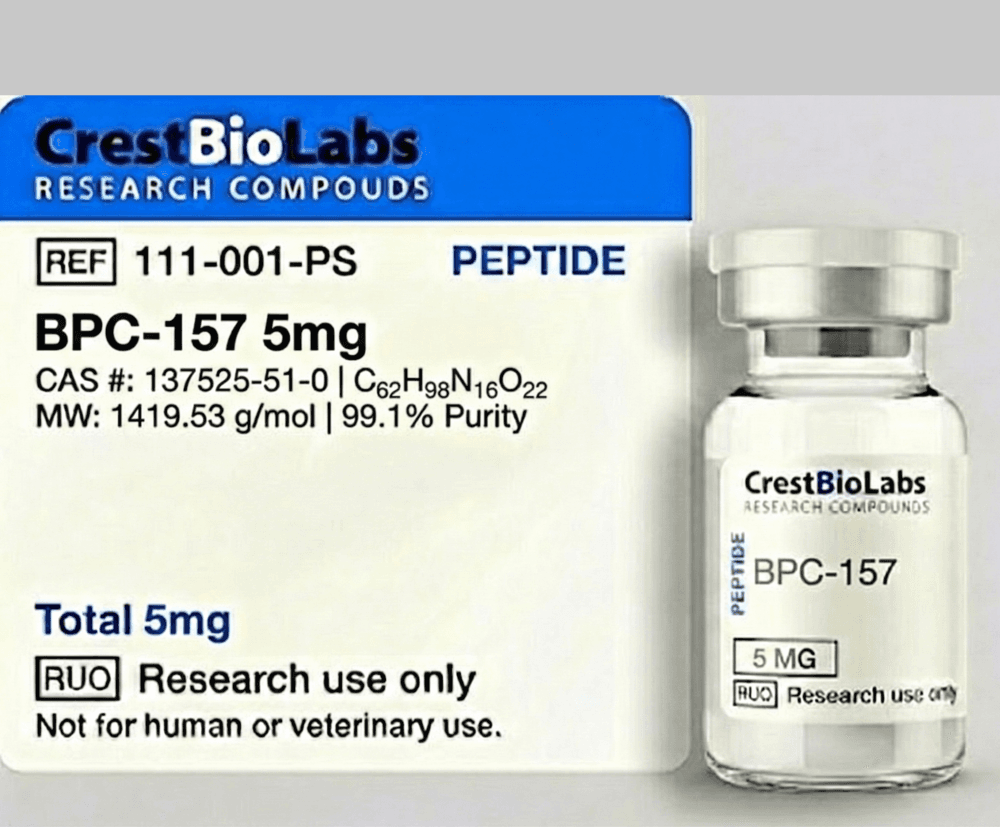
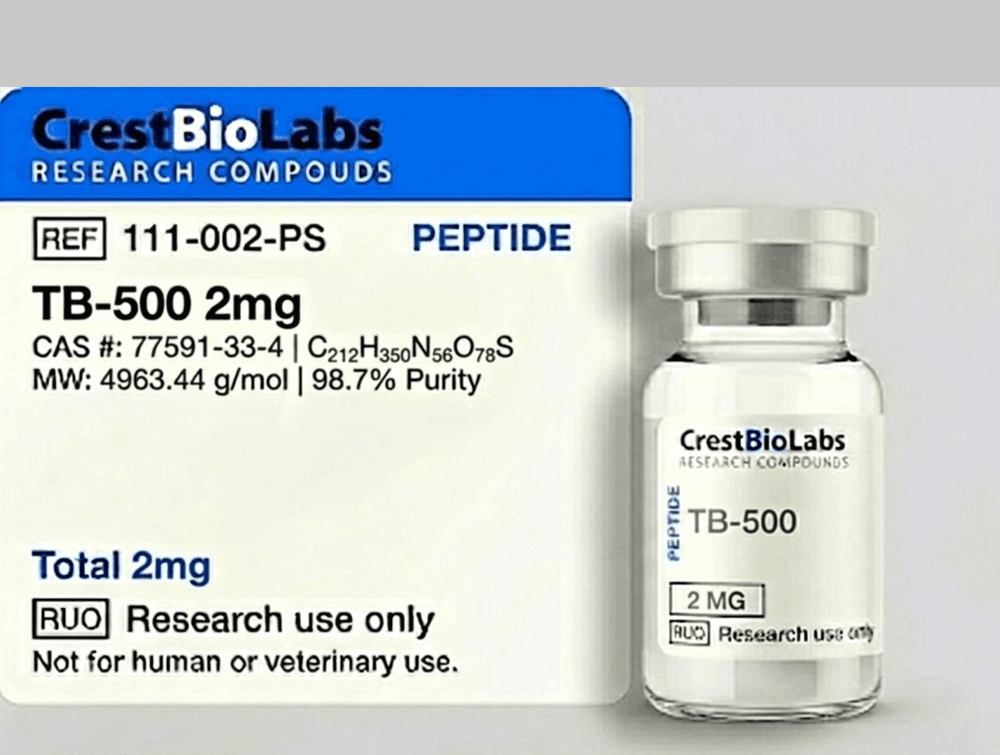
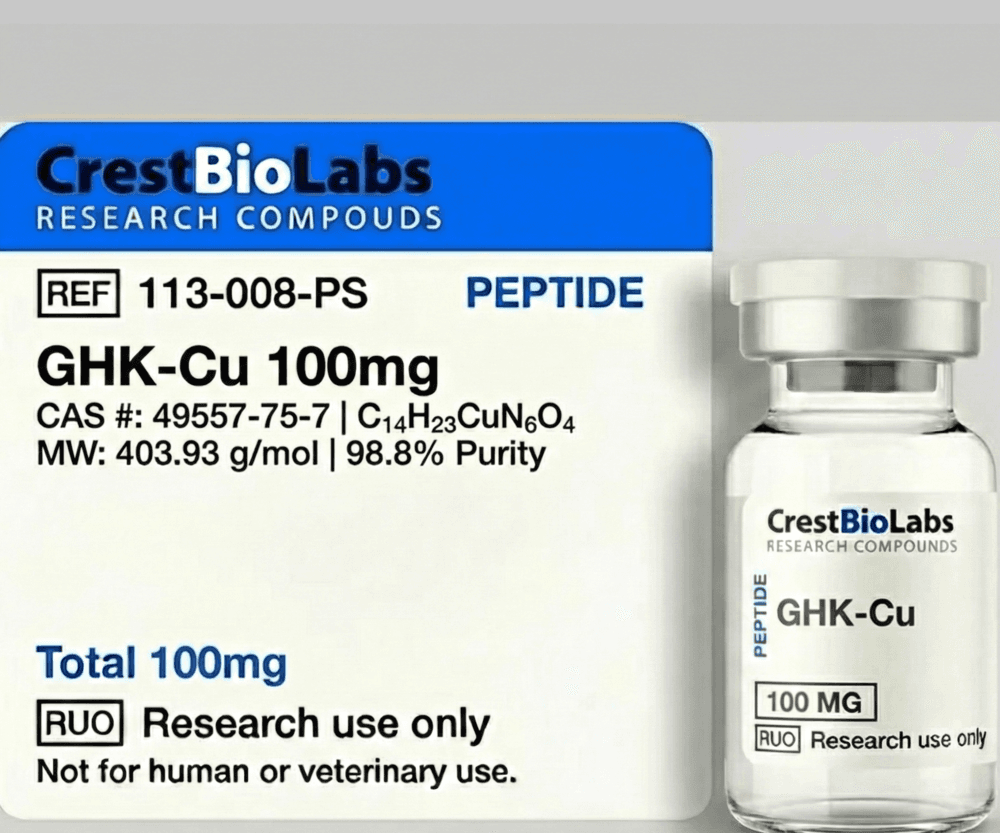
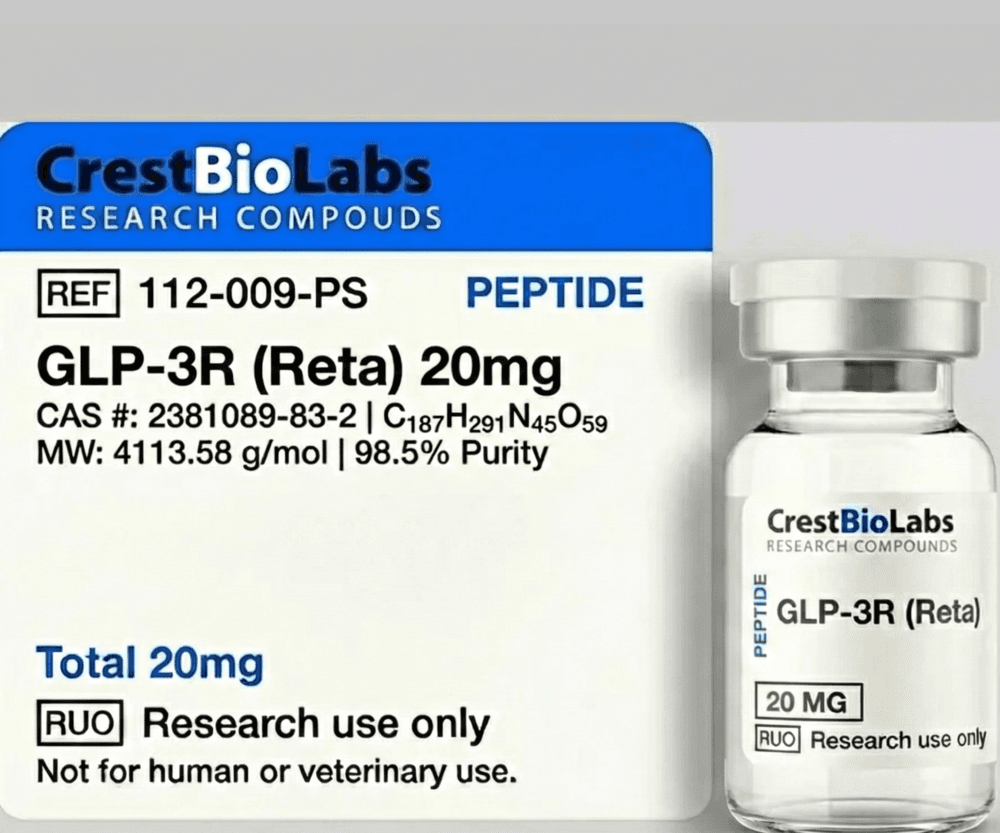
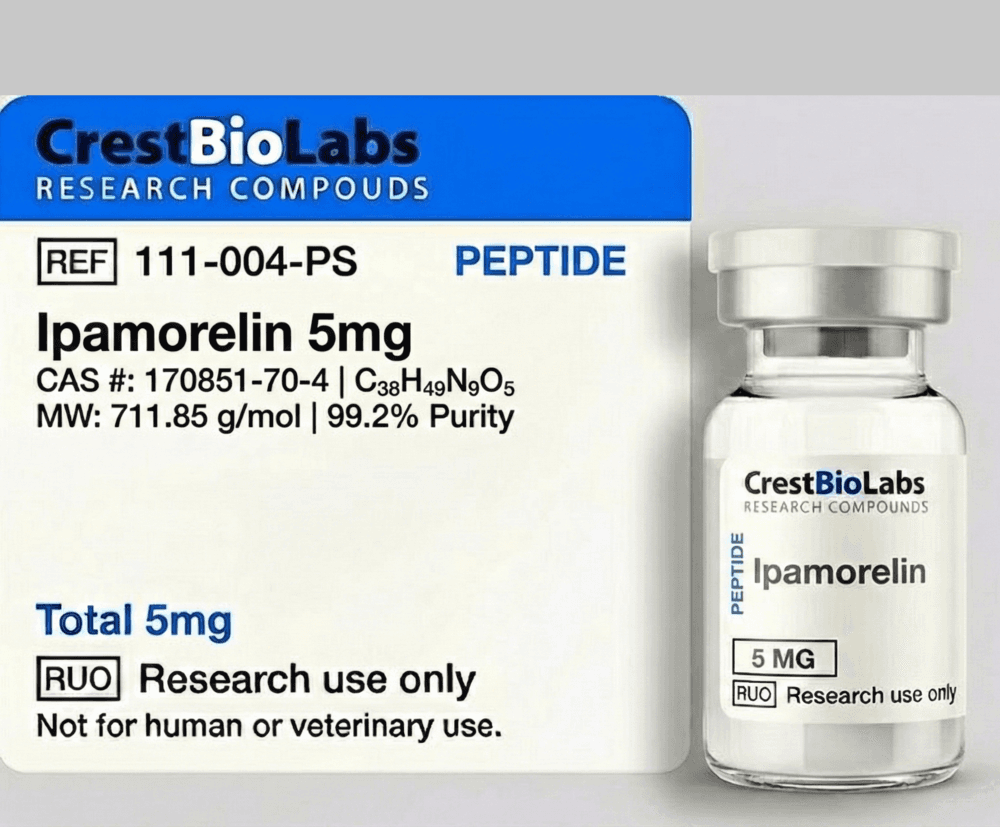
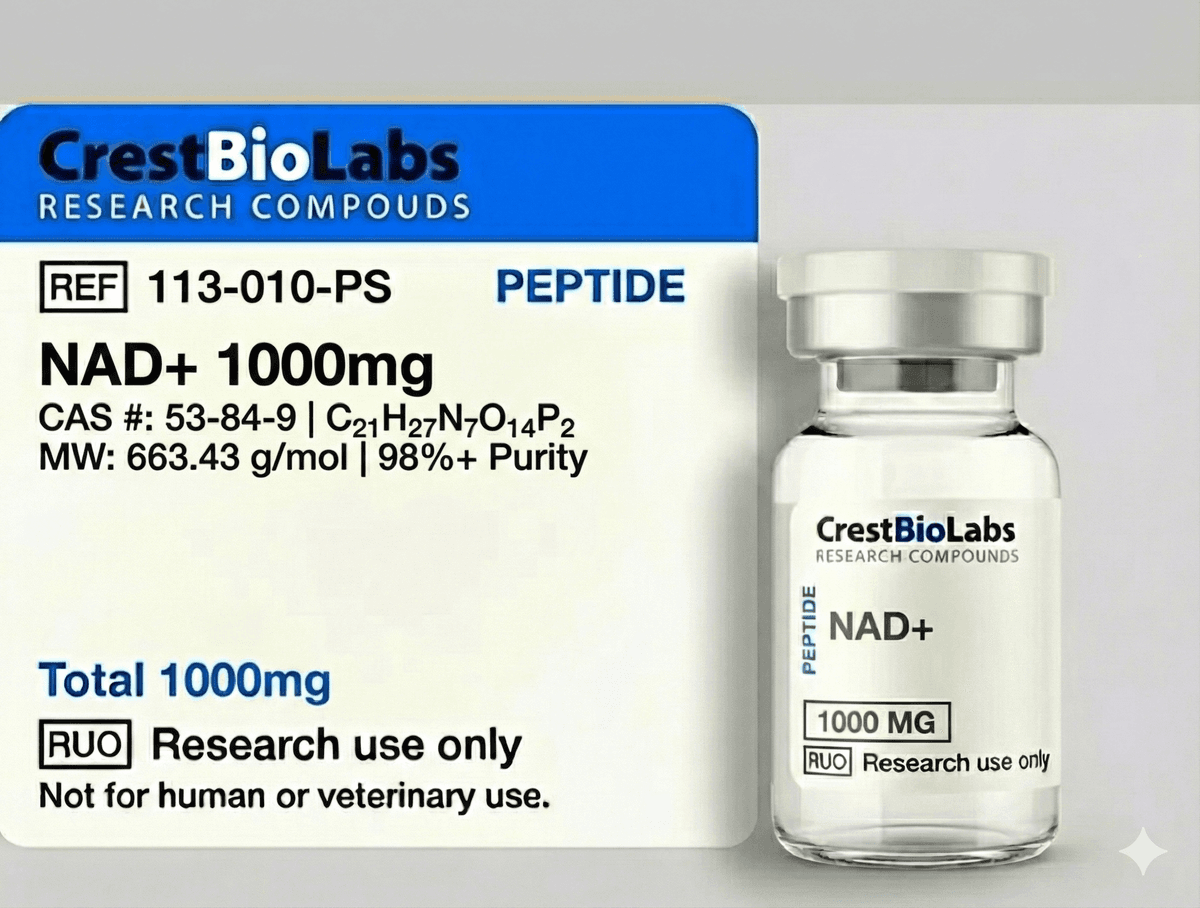
In commercial and research contexts, many peptides carry trivial or systematic names. CAS (Chemical Abstracts Service) registry numbers provide unique, unambiguous identifiers for chemical compounds, including peptides. Researchers should verify CAS numbers and sequences when procuring peptides to ensure that the correct compound is obtained for their experiments. Certificates of analysis (COAs) from reputable suppliers include sequence confirmation data (typically from mass spectrometry) alongside purity data (from HPLC), providing the documentation necessary for reproducible research.
How Peptides Differ from Proteins
While the distinction between peptides and proteins is often presented as a simple size cutoff, the reality is more nuanced and involves considerations of structure, function, and behavior. Proteins generally adopt stable tertiary structures, the three-dimensional arrangement of the entire polypeptide chain stabilized by hydrophobic interactions, hydrogen bonds, electrostatic forces, and disulfide bridges. Many proteins also form quaternary structures consisting of multiple polypeptide subunits.
Peptides, particularly those shorter than 30-40 residues, typically do not fold into stable globular structures in aqueous solution. Instead, they exist as ensembles of rapidly interconverting conformations. This conformational flexibility has important implications for research: peptides may adopt bioactive conformations only upon binding to their target molecules, a phenomenon known as coupled folding and binding, which has been extensively characterized in in-vitro studies of intrinsically disordered peptide segments.
From an analytical perspective, peptides and proteins are characterized by different techniques. Peptides are typically analyzed by reversed-phase HPLC and electrospray ionization mass spectrometry (ESI-MS), while proteins may require size-exclusion chromatography, ion-exchange chromatography, and techniques such as SDS-PAGE for molecular weight estimation. Understanding these distinctions is essential for researchers selecting appropriate analytical methods for their specific compounds and experimental objectives.