
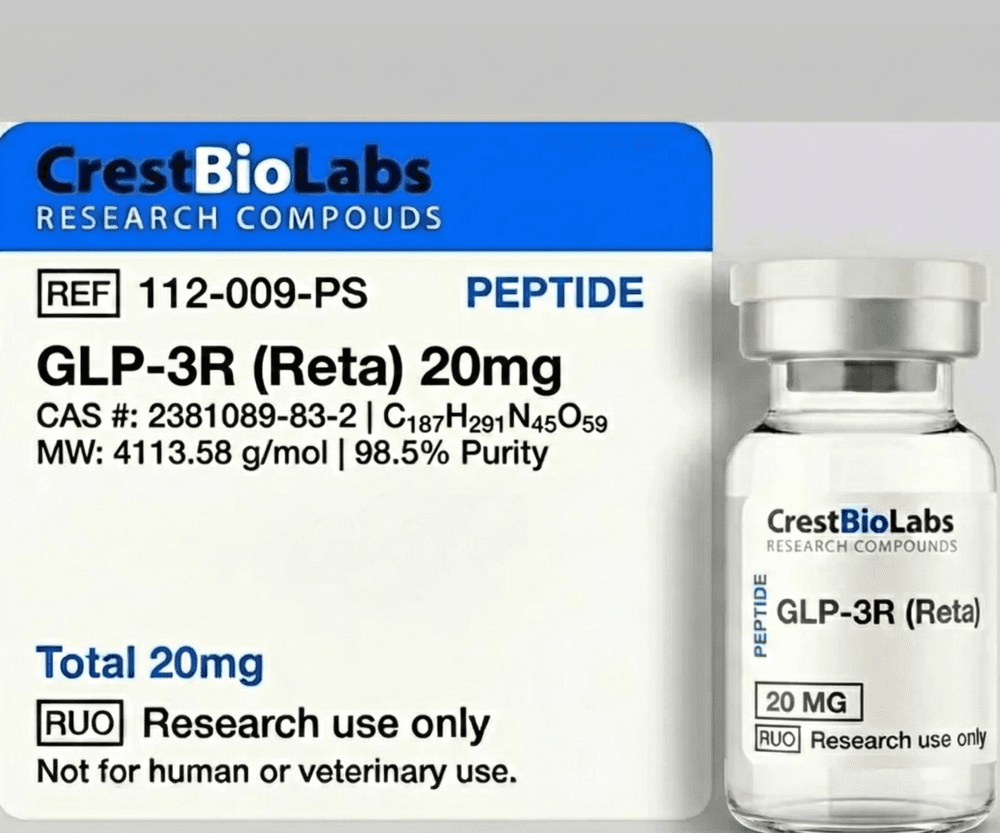
GLP-3R (Reta) 20mg
GLP-3R (Reta) is a triple-acting incretin receptor agonist peptide targeting GLP-1, GIP, and glucagon receptors simultaneously. It represents a new class of tri-agonist peptides for metabolic research.
Quick Reference
About GLP-3R (Reta) 20mg
GLP-3R (Reta) is a synthetic tri-agonist peptide that engages all three key metabolic receptors — GLP-1R, GIPR, and GCGR. Unlike dual-agonist compounds that target only two receptor pathways, GLP-3R activates all three incretin and glucagon receptor systems simultaneously. This tri-receptor mechanism is being studied for its synergistic effects on energy expenditure, glucose homeostasis, lipid metabolism, and appetite regulation. Published research has demonstrated significant effects on body composition and glycemic parameters in preclinical and clinical models. The compound features a fatty acid acylation that extends its biological activity, making it suitable for extended-interval research protocols. Supplied as a lyophilized powder for reconstitution, this peptide is intended exclusively for in-vitro research purposes.
Mechanism of Action
Triple agonism at GLP-1R (promotes insulin secretion and satiety), GIPR (enhances insulin sensitivity and energy balance), and GCGR (stimulates hepatic energy expenditure and lipid oxidation). The combined activation of all three receptors produces synergistic metabolic effects that exceed those observed with mono- or dual-agonist peptides.
Research Applications
GIP, GLP-1 and glucagon receptor tri-agonism for metabolic d...
The Lancet (2023)
Triple hormone receptor agonist peptide for obesity — a phas...
New England Journal of Medicine (2023)
A novel triple GIP, GLP-1 and glucagon receptor agonist: pha...
The Lancet (2022)
Product Quick Facts
HPLC Verified
98.5%+ purity confirmed
COA Available
Full chromatograms & MS data
Same-Day Shipping
Orders before 2 PM EST
Cold Chain
Temperature-controlled packaging
Handling Protocol
- •Store at -20°C, desiccated, protected from light
- •Reconstitute with bacteriostatic water
- •Avoid repeated freeze-thaw cycles
- •Handle under sterile conditions
Related Research
What Are Peptides?
Introduction to peptide structure, classification, and research significance.
GLP Receptor Research Hub
Research into GLP-1 and GLP-3 receptor agonists and metabolic peptides.
Mass Spectrometry for Peptide Analysis
ESI-MS and MALDI-TOF methods for confirming peptide identity.
Metabolic Research Compounds Hub
Research compounds investigated in preclinical models of metabolic function.
Frequently Asked Questions About GLP-3R (Reta) 20mg
Semaglutide is a GLP-1R mono-agonist, tirzepatide is a GLP-1R/GIPR dual agonist, and Retatrutide (GLP-3R) is the first GLP-1R/GIPR/GCGR triple agonist — each successive generation engages additional incretin and metabolic receptors to broaden the physiological response profile. In phase 2 clinical research, Retatrutide demonstrated up to 24.2% body weight reduction at 48 weeks (NEJM 2023), compared to approximately 15-17% for tirzepatide and 12-15% for semaglutide at their respective highest studied exposures. The critical differentiator is Retatrutide's glucagon receptor agonism, which activates hepatic energy expenditure pathways — increased lipid oxidation, thermogenesis, and glycogenolysis — that are entirely absent from the pharmacological profile of mono- and dual-agonists.
Triple agonism means a single molecule simultaneously activates three distinct G-protein-coupled receptors — GLP-1R drives insulin secretion and central satiety signaling, GIPR enhances insulin sensitivity and peripheral energy balance, and GCGR stimulates hepatic fatty acid oxidation, thermogenesis, and amino acid catabolism. The rationale is that metabolic dysregulation involves parallel deficits across pancreatic, central, and hepatic axes that cannot be fully addressed by targeting one or two nodes alone. In preclinical models, triple agonism produced greater improvements in glycemic control, lipid profiles, and body composition than dual agonism at equivalent total receptor occupancy, suggesting the three pathways interact synergistically rather than merely additively.
GCGR activation drives hepatic energy expenditure through three distinct mechanisms: it stimulates fatty acid beta-oxidation in hepatocytes, increases thermogenic energy dissipation, and promotes amino acid catabolism via ureagenesis — none of which are engaged by GLP-1R or GIPR signaling. In preclinical research, GCGR agonism has been shown to reduce hepatic steatosis (liver fat content) more effectively than caloric restriction alone, suggesting a direct lipolytic effect independent of weight loss. The historical concern with glucagon signaling was hyperglycemic risk, but Retatrutide's concurrent GLP-1R agonism provides counter-regulatory insulin secretion that offsets glucagon-driven glucose output, enabling researchers to study the metabolic benefits of GCGR activation without confounding hyperglycemia.
A C20 (eicosanoic) fatty acid chain is covalently attached to the peptide backbone via a linker, and this lipophilic moiety binds reversibly to serum albumin with high affinity, creating a circulating peptide-albumin depot that dramatically slows renal clearance and proteolytic degradation. Only the small fraction of unbound (free) Retatrutide is pharmacologically active at any given time, creating a slow-release pharmacokinetic profile from the albumin-bound reservoir. This is the same acylation strategy used in semaglutide (C18 fatty diacid) and tirzepatide (C20 fatty diacid), though Retatrutide's specific linker chemistry and acylation site were optimized to maintain balanced tri-receptor binding affinity despite the steric bulk of the lipid chain. The resulting ~6-day half-life enables once-weekly administration schedules in research, providing more consistent steady-state receptor occupancy than shorter-acting peptides.
Reconstitute the lyophilized powder with sterile water, DMSO, or dilute acetic acid (pH 3-5) by adding solvent slowly down the vial wall and allowing dissolution by gentle swirling — do not vortex, as the large 4113 Da peptide with its lipid acylation is prone to aggregation at air-water interfaces. Dilute acetic acid (0.1% v/v, approximately pH 3.5) is the preferred solvent because Retatrutide, like most acylated GLP-1 family peptides, has significantly higher solubility and stability at mildly acidic pH, where protonation of key histidine and glutamate residues prevents intermolecular aggregation. At neutral or basic pH, the peptide's lipophilic acyl chain can drive micelle-like self-association that reduces effective concentration and may produce visible turbidity. Researchers working in cell-based assays should note that the acidic stock solution will require buffering upon dilution into culture media to avoid pH-mediated cytotoxicity.
The 6-day half-life means steady-state plasma concentrations are reached after approximately 4-5 weeks (5 half-lives) of weekly administration, and researchers measuring metabolic endpoints before this point will underestimate the compound's maximal pharmacodynamic effect. This extended pharmacokinetic profile also means washout periods between experimental phases must be a minimum of 30-42 days to ensure >97% compound elimination, which has major implications for crossover study designs. For acute mechanistic studies, the long half-life is a disadvantage because it is difficult to achieve rapid onset-offset receptor occupancy kinetics. However, for chronic metabolic studies, the sustained receptor engagement eliminates the peak-trough fluctuations seen with shorter-acting compounds and provides a more consistent pharmacodynamic signal across the dosing interval.
The phase 2 trial published in the New England Journal of Medicine (2023) randomized participants across multiple Retatrutide dose levels and demonstrated dose-dependent body weight reductions of up to 24.2% at 48 weeks at the highest dose tier — the largest weight reduction reported for any single pharmacological agent in a controlled clinical research setting at that time. Importantly, the study also showed significant reductions in HbA1c, fasting glucose, triglycerides, and liver fat content across dose groups, suggesting multi-organ metabolic improvement beyond weight loss alone. The glucagon receptor agonist component was specifically implicated in the hepatic fat reduction, as this endpoint exceeded what would be predicted from the degree of weight loss based on GLP-1R agonist historical data.
Retatrutide is the first tri-agonist to demonstrate that engaging three metabolic receptor systems simultaneously produces meaningfully greater efficacy than mono- or dual-agonism, establishing proof-of-concept for polypharmacology approaches in metabolic research. Key unanswered questions include the optimal ratio of GLP-1R:GIPR:GCGR activity (Retatrutide has a specific relative potency profile at each receptor that may not be optimal), whether the GCGR component's hepatic effects are maintained long-term or subject to tachyphylaxis, and how tri-agonism affects lean mass preservation versus fat-selective weight loss. The compound also opens research avenues into whether GCGR activation can address metabolic-associated steatotic liver disease (MASLD) independently of weight reduction, and whether the thermogenic component of glucagon signaling contributes meaningfully to total energy expenditure.
You May Also Need
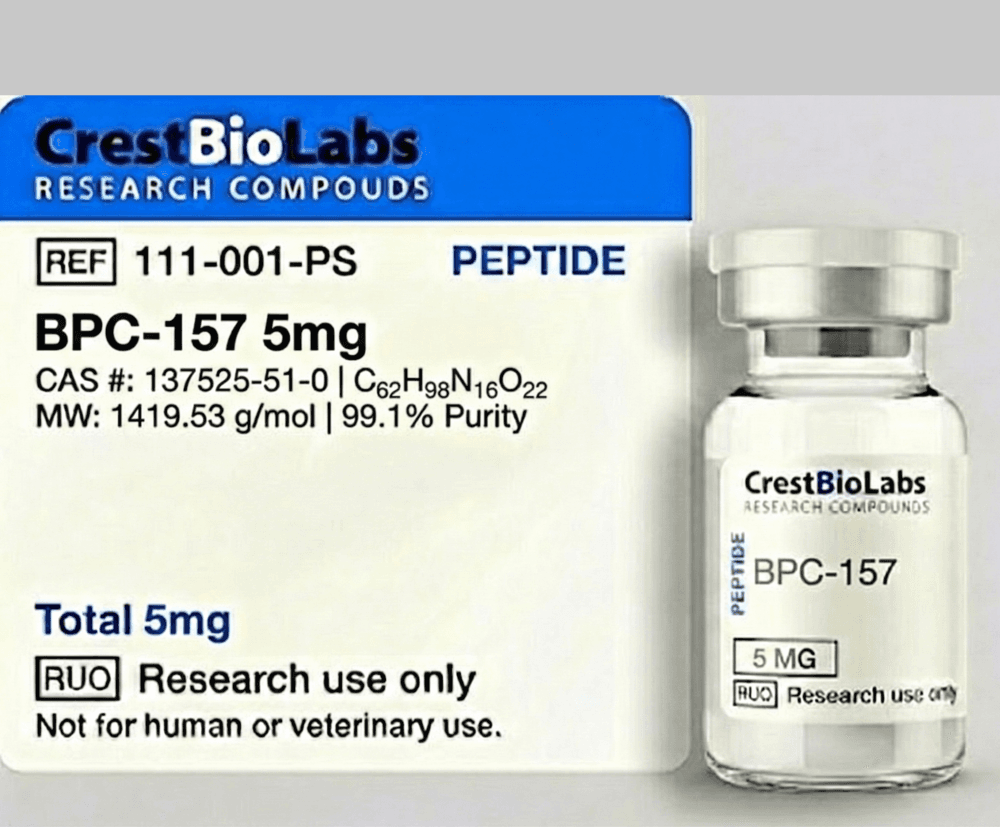
BPC-157 5mg
C62H98N16O22
Body Protection Compound-157 (BPC-157) is a pentadecapeptide composed of 15 amino acids. It is a partial sequence of body protection compound derived from human gastric juice.
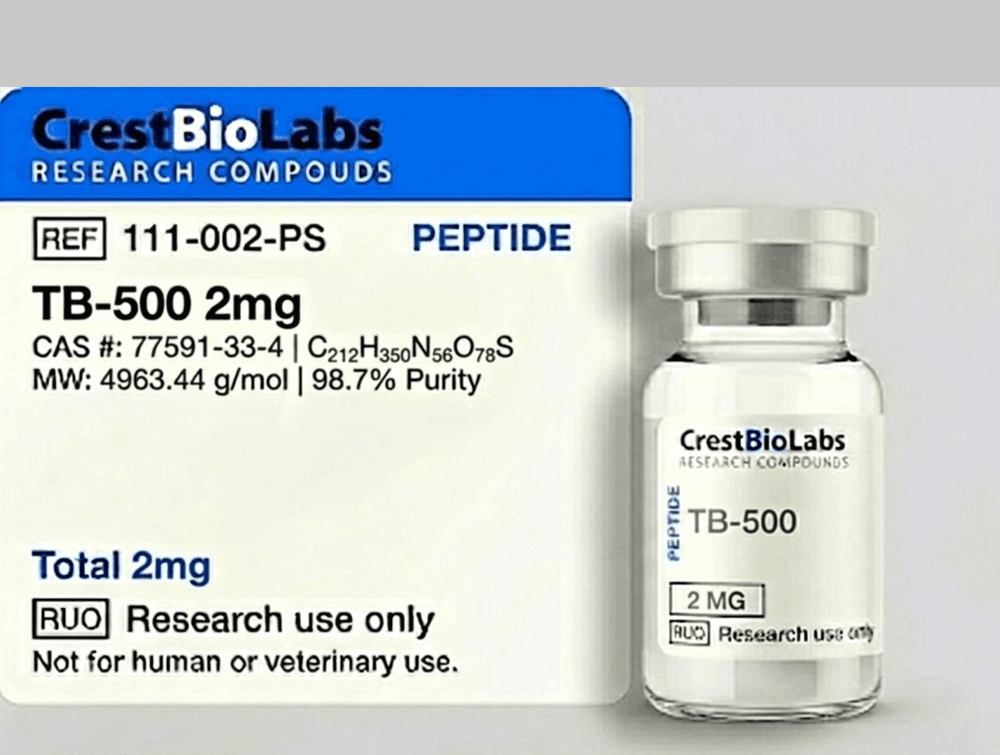
TB-500 2mg
C212H350N56O78S
Thymosin Beta-4 (TB-500) is a naturally occurring peptide present in virtually all human and animal cells. It plays a critical role in tissue repair and regeneration.
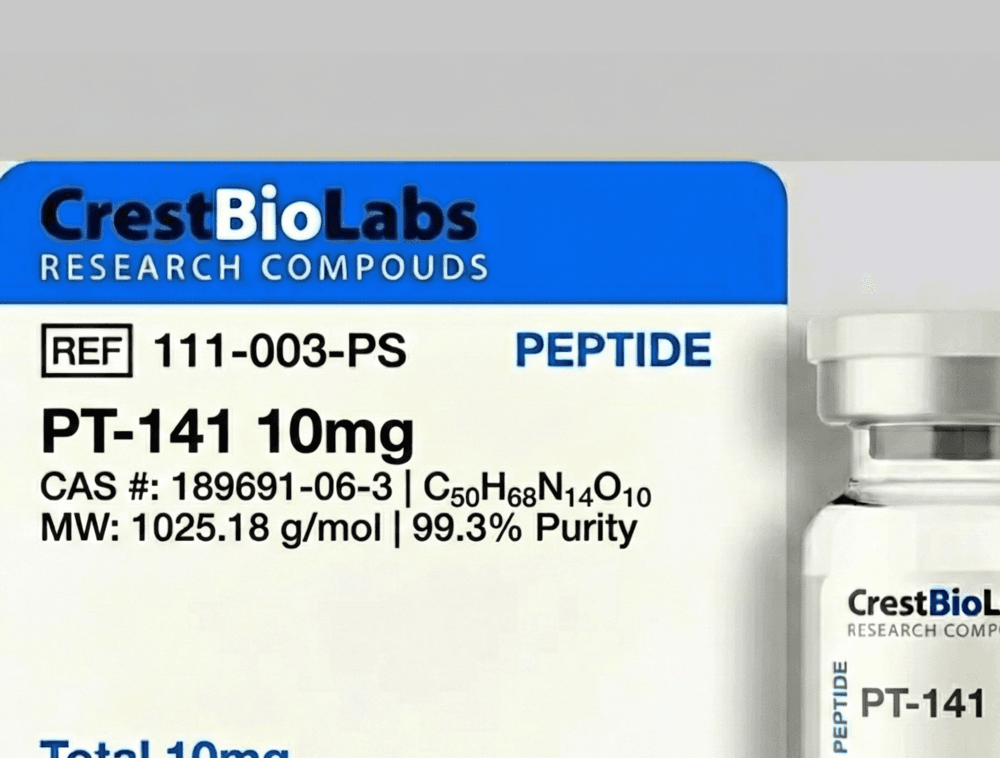
PT-141 10mg
C50H68N14O10
PT-141 (Bremelanotide) is a synthetic peptide analog of alpha-melanocyte stimulating hormone. It was developed from Melanotan II research.
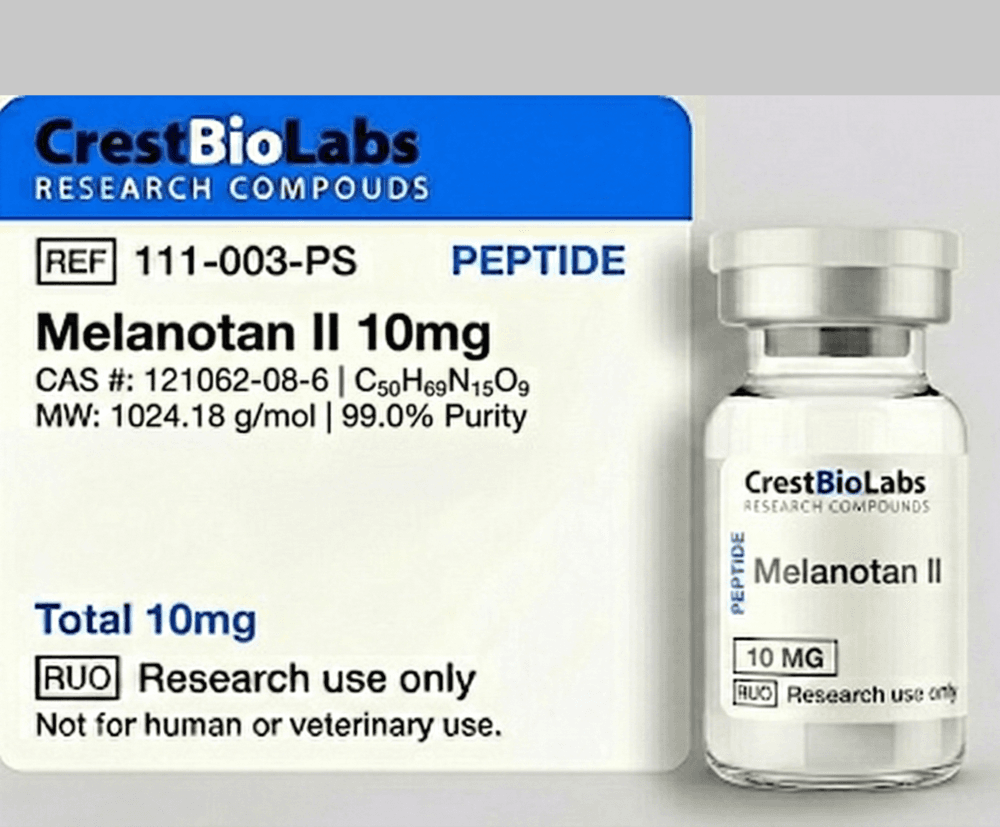
Melanotan II 10mg
C50H69N15O9
Melanotan II is a synthetic analog of the naturally occurring melanocortin peptide hormone alpha-melanocyte-stimulating hormone (α-MSH).