
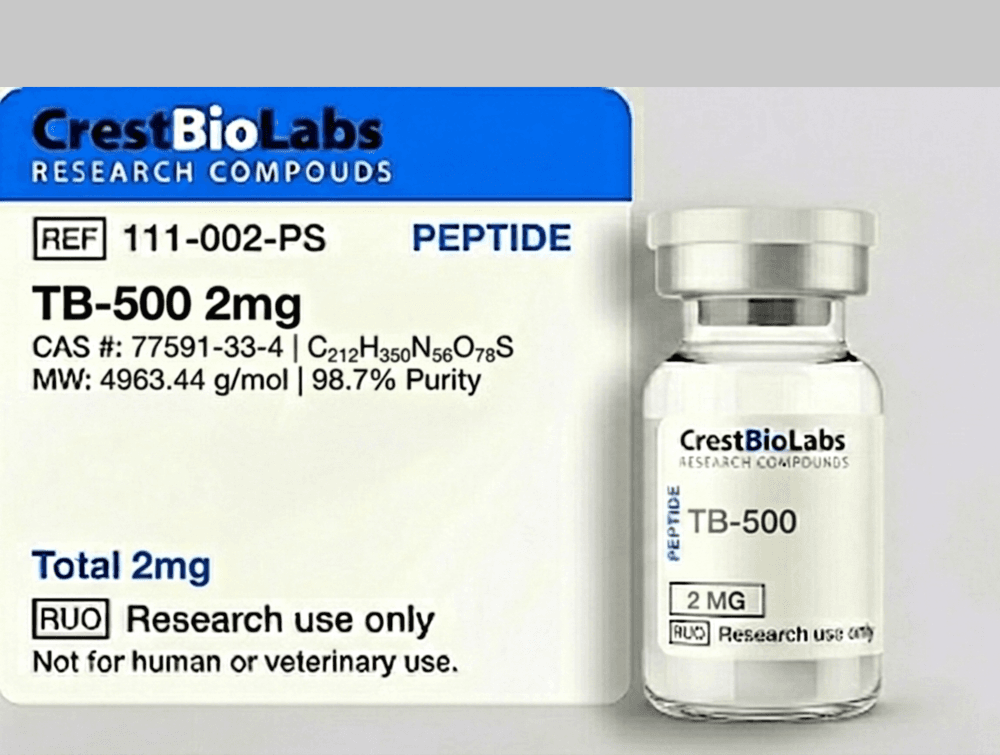
TB-500 2mg
Thymosin Beta-4 (TB-500) is a naturally occurring peptide present in virtually all human and animal cells. It plays a critical role in tissue repair and regeneration.
Quick Reference
This product is temporarily unavailable. Join our notification list to be the first to know when it's back in stock.
About TB-500 2mg
TB-500 is the synthetic version of the naturally occurring peptide Thymosin Beta-4. Research has focused on its role in promoting cell migration, blood vessel formation, and cellular differentiation. The peptide is being studied for its potential regenerative properties in various tissue types. Supplied as a lyophilized powder for research use only.
Mechanism of Action
Sequesters G-actin monomers to promote actin polymerization and cytoskeletal reorganization, facilitating cell migration, angiogenesis, and wound healing via upregulation of laminin-5 and activation of Akt signaling.
Research Applications
Thymosin beta4 activates integrin-linked kinase and promotes...
Nature (2004)
Thymosin beta 4 promotes dermal wound healing via its roles ...
Annals of the New York Academy of Sciences (2007)
Thymosin β4: a multi-functional regenerative peptide. Basic ...
Expert Opinion on Biological Therapy (2012)
Product Quick Facts
HPLC Verified
98.7% purity confirmed
COA Available
Full chromatograms & MS data
Same-Day Shipping
Orders before 2 PM EST
Cold Chain
Temperature-controlled packaging
Handling Protocol
- •Store at -20°C, desiccated
- •Reconstitute with bacteriostatic water
- •Avoid repeated freeze-thaw cycles
- •Handle under sterile conditions
Related Research
What Are Peptides?
Introduction to peptide structure, classification, and research significance.
Solid-Phase Peptide Synthesis (SPPS)
How SPPS works, Fmoc vs Boc chemistry, and modern synthesis advances.
Lyophilization & Freeze-Drying
How lyophilization preserves peptide stability and shelf life.
Peptide Stability & Storage Guide
Best practices for peptide storage, reconstitution, and handling.
Frequently Asked Questions About TB-500 2mg
TB-500 2mg should be reconstituted in bacteriostatic water or sterile 0.9% sodium chloride by adding solvent slowly along the vial wall and allowing passive dissolution over 1-2 minutes without shaking or vortexing. A typical working concentration is 1 mg/mL, achieved by adding 2 mL of solvent to the 2 mg vial, though concentrations between 0.5 and 2.5 mg/mL are commonly used depending on the research protocol. TB-500 is highly soluble in aqueous buffers and should not require co-solvents such as DMSO for standard reconstitution, making preparation straightforward for most in vivo and in vitro applications.
TB-500 is a synthetic version of the full-length 43-amino acid Thymosin Beta-4 (Tβ4) protein, and when manufactured to full sequence fidelity, it is chemically identical to the endogenous human protein. The name 'TB-500' originated as a commercial designation in the equine research market and has persisted as a colloquial term, but it refers to the same Ac-SDKPDMAEIEKFDKSKLKKTETQEKNPLPSKETIEQEKQAGES sequence. Some vendors have historically sold truncated fragments under the TB-500 label, so researchers should verify that the certificate of analysis confirms the full 43-residue sequence with a molecular weight of approximately 4963 Da to ensure they are working with authentic full-length Thymosin Beta-4.
TB-500 exerts its primary effects through direct interaction with monomeric G-actin, sequestering it to regulate the rate and location of actin filament polymerization, which is a fundamental driver of cell migration, cytokinesis, and cytoskeletal reorganization required for wound closure. BPC-157 does not interact with the actin cytoskeleton directly but instead modulates the nitric oxide system and stimulates expression of angiogenic growth factors such as VEGF and EGF to promote blood vessel formation and cytoprotection at the tissue level. In practical research design, TB-500 is often selected for models emphasizing cell motility and migration speed, while BPC-157 is favored in models examining vascular recovery, mucosal protection, and multi-organ cytoprotective effects.
TB-500 contains a central actin-binding domain spanning residues 17-23 (LKKTETQ, known as the Actin Binding Domain or ABD) that binds to monomeric G-actin with high affinity and prevents premature or uncontrolled polymerization into F-actin filaments. By maintaining a pool of sequestered G-actin monomers, TB-500 allows cells to rapidly mobilize actin for directed polymerization at the leading edge of migrating cells, a process critical for lamellipodia and filopodia extension during wound healing. TB-500 also promotes the upregulation of laminin-5 (laminin-332), an extracellular matrix protein essential for cell adhesion and basement membrane organization, and activates the Akt (protein kinase B) survival signaling pathway, which inhibits apoptosis in cells under stress conditions such as hypoxia or oxidative damage.
Reconstituted TB-500 in bacteriostatic water should be stored at 2-8°C and used within 14-21 days, as the 43-amino acid chain is more susceptible to proteolytic cleavage and deamidation in solution than shorter peptides. Signs of degradation include visible particulates or cloudiness in a previously clear solution, a shift in pH beyond the initial value, or the appearance of a gel-like film at the solution surface indicating aggregation. For analytical verification, researchers can run the reconstituted sample on reverse-phase HPLC; a significant broadening of the main peak or the emergence of new peaks at shorter retention times indicates hydrolysis fragments, while mass spectrometry can detect deamidation events that add +1 Da to the expected molecular mass.
TB-500 has been extensively studied in murine full-thickness dermal punch wound models, where it has demonstrated accelerated wound closure rates and increased angiogenesis compared to vehicle controls across multiple independent studies. Cardiac research has utilized rat and mouse myocardial infarction models induced by left anterior descending artery ligation, examining TB-500's effects on cardiomyocyte survival and ventricular remodeling post-ischemia. Additional published models include rat corneal alkali burn injury for epithelial regeneration studies, murine hair follicle cycling investigations, and equine tendon injury models that originally generated significant interest in TB-500 within veterinary sports medicine research.
In murine full-thickness excisional wound models, published studies have reported statistically significant differences in wound closure area between TB-500-treated and control groups as early as day 4-5 post-wounding, with maximum effect sizes typically observed between days 7-14. Cardiac ischemia models generally require longer observation windows of 4-8 weeks post-infarction to assess endpoints such as ejection fraction recovery, fibrosis area, and capillary density within the peri-infarct zone. Researchers designing new protocols should note that TB-500's short in vivo half-life of approximately 2 hours necessitates repeated administration schedules, with most published studies employing daily or every-other-day injection protocols for the duration of the observation period.
Published literature includes studies where Thymosin Beta-4 has been co-administered with growth factors such as PDGF-BB and VEGF in wound healing models without reported chemical incompatibility, and some researchers have investigated TB-500 alongside BPC-157 in tissue repair paradigms. However, combining peptides in the same reconstitution vial is not recommended because differences in optimal pH, ionic strength requirements, and potential for intermolecular interactions can accelerate aggregation and reduce bioactivity of one or both compounds. The preferred methodology is to reconstitute and store each peptide separately, administer them at distinct injection sites or at staggered time points, and include appropriate single-peptide control groups to isolate individual versus combined effects in the experimental design.
You May Also Need
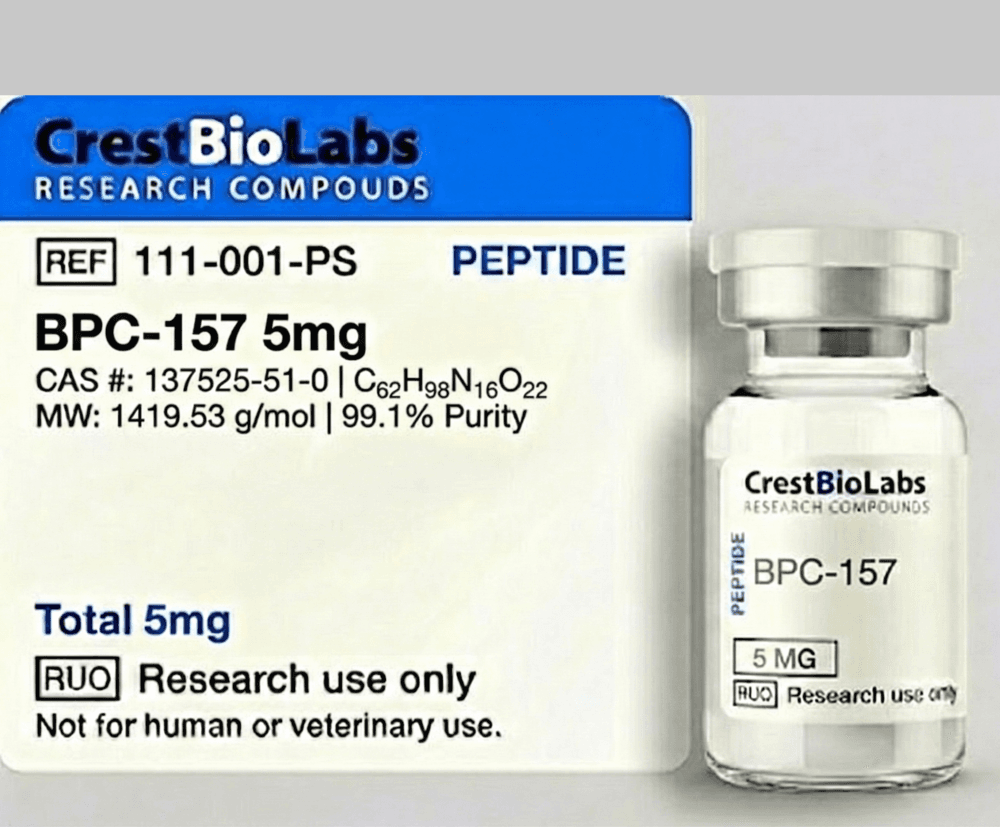
BPC-157 5mg
C62H98N16O22
Body Protection Compound-157 (BPC-157) is a pentadecapeptide composed of 15 amino acids. It is a partial sequence of body protection compound derived from human gastric juice.
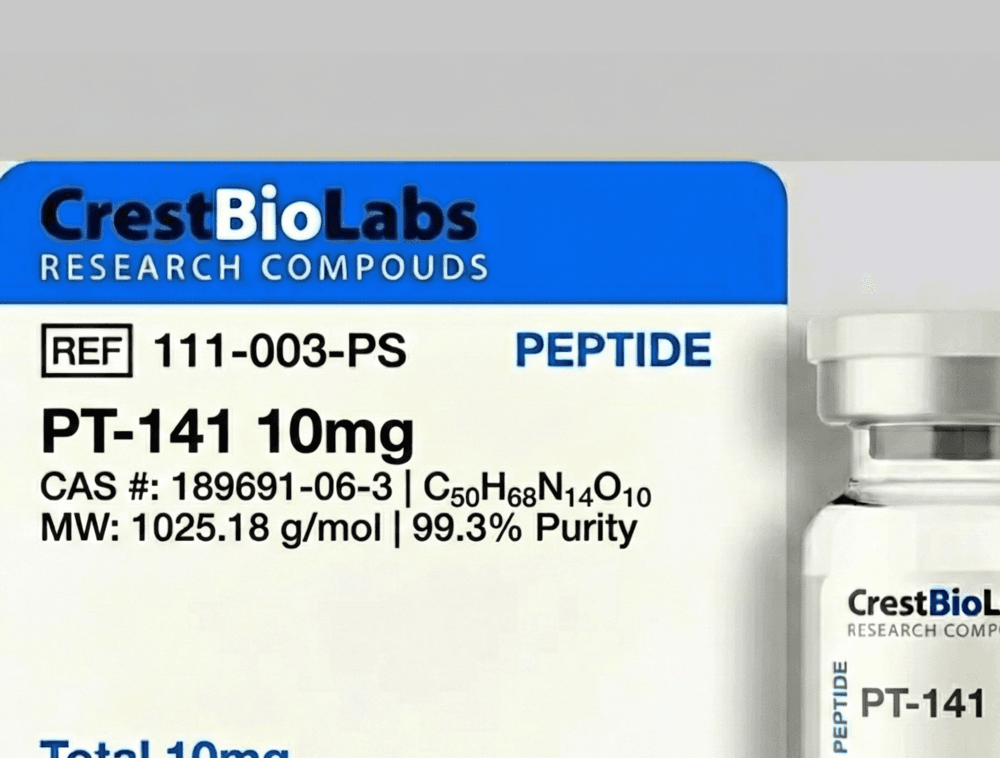
PT-141 10mg
C50H68N14O10
PT-141 (Bremelanotide) is a synthetic peptide analog of alpha-melanocyte stimulating hormone. It was developed from Melanotan II research.
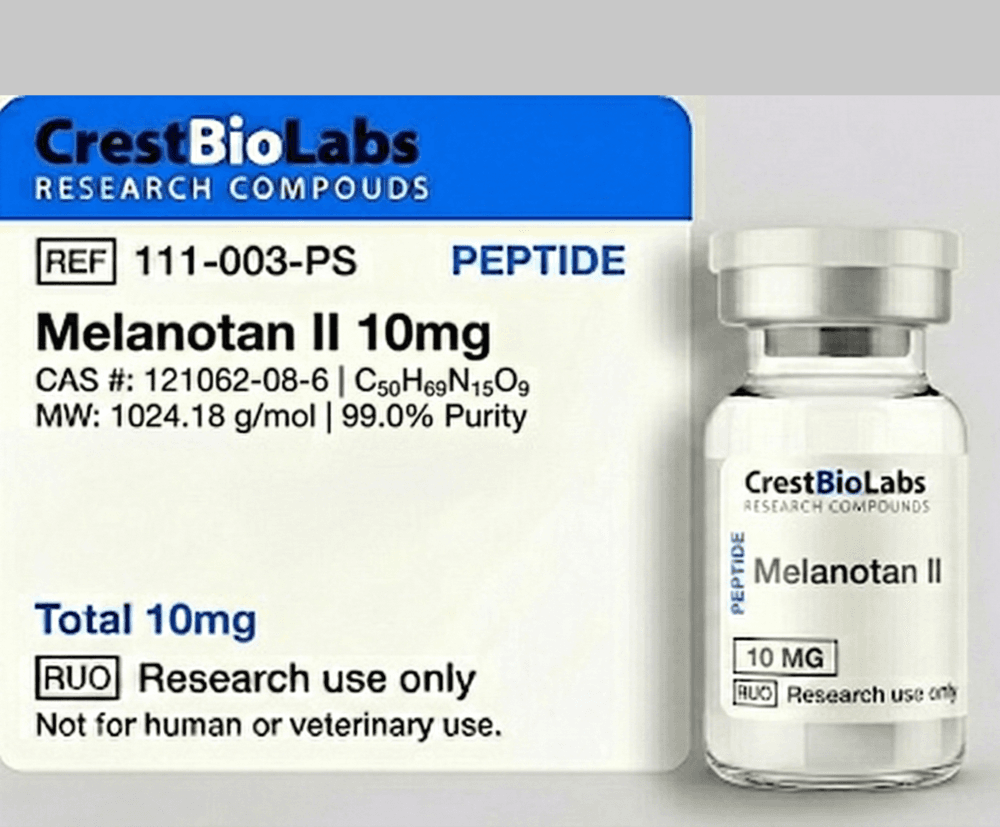
Melanotan II 10mg
C50H69N15O9
Melanotan II is a synthetic analog of the naturally occurring melanocortin peptide hormone alpha-melanocyte-stimulating hormone (α-MSH).
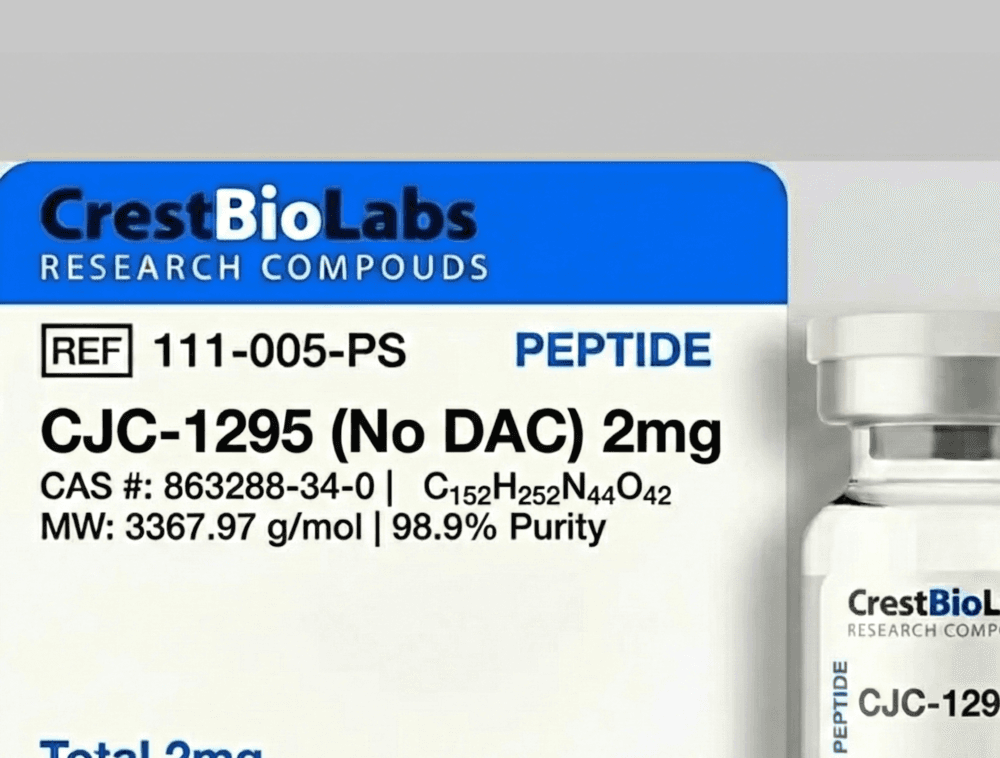
CJC-1295 (No DAC) 2mg
C152H252N44O42
CJC-1295 without DAC (also known as Mod GRF 1-29) is a synthetic analog of growth hormone-releasing hormone with modified amino acids.