
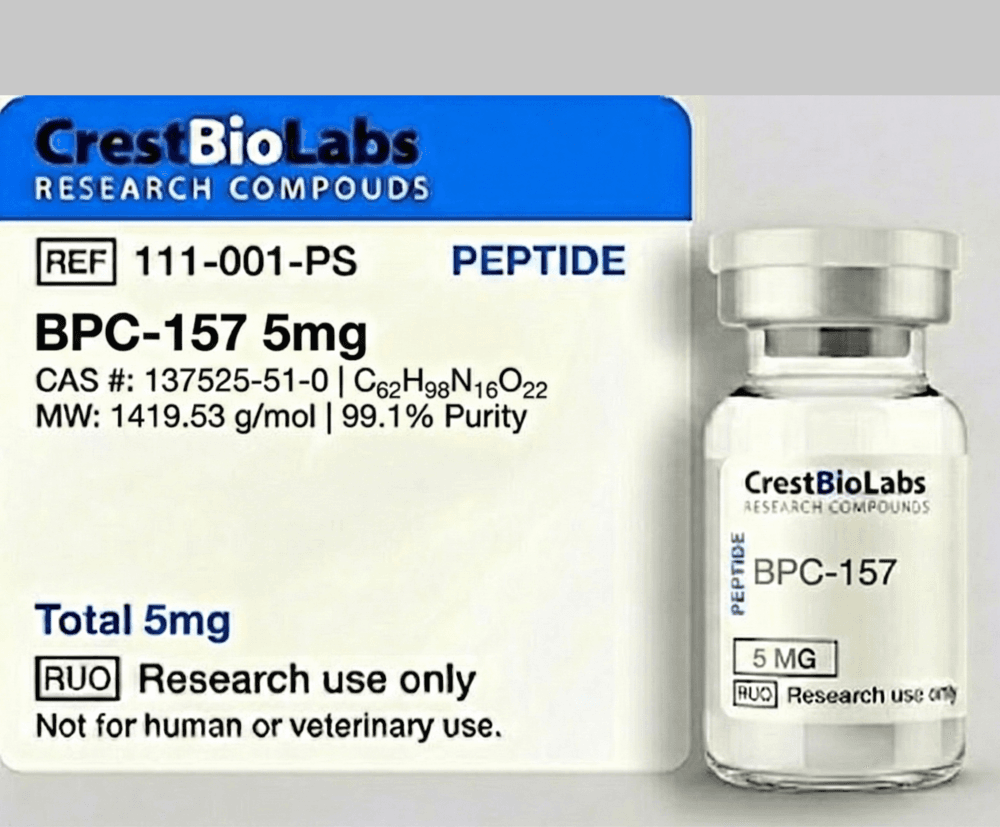
BPC-157 5mg
Body Protection Compound-157 (BPC-157) is a pentadecapeptide composed of 15 amino acids. It is a partial sequence of body protection compound derived from human gastric juice.
Quick Reference
This product is temporarily unavailable. Join our notification list to be the first to know when it's back in stock.
About BPC-157 5mg
BPC-157 is a synthetic peptide that is being investigated for its regenerative and cytoprotective properties. Research studies have explored its potential effects on wound healing, tissue repair, and gastrointestinal function. This peptide is supplied as a lyophilized powder for reconstitution and is intended exclusively for in-vitro research purposes.
Mechanism of Action
Modulates the nitric oxide (NO) system, upregulates growth factor expression (EGF, VEGF), and promotes angiogenesis and granulation tissue formation to accelerate wound healing and tissue repair.
Research Applications
Stable gastric pentadecapeptide BPC 157: novel therapy in ga...
Current Pharmaceutical Design (2011)
Pentadecapeptide BPC 157 enhances the growth hormone recepto...
Molecules (2014)
Stable gastric pentadecapeptide BPC 157 in trials for inflam...
Current Pharmaceutical Design (2018)
Product Quick Facts
HPLC Verified
99.1% purity confirmed
COA Available
Full chromatograms & MS data
Same-Day Shipping
Orders before 2 PM EST
Cold Chain
Temperature-controlled packaging
Handling Protocol
- •Store at -20°C, desiccated
- •Reconstitute with bacteriostatic water
- •Avoid repeated freeze-thaw cycles
- •Handle under sterile conditions
Related Research
What Are Peptides?
Introduction to peptide structure, classification, and research significance.
Solid-Phase Peptide Synthesis (SPPS)
How SPPS works, Fmoc vs Boc chemistry, and modern synthesis advances.
HPLC Purity Testing Explained
How HPLC validates peptide purity and why it matters for research.
Peptide Stability & Storage Guide
Best practices for peptide storage, reconstitution, and handling.
Frequently Asked Questions About BPC-157 5mg
BPC-157 5mg can be reconstituted in bacteriostatic water, sterile water, or 0.9% sodium chloride solution. For a common working concentration of 2.5 mg/mL, add 2 mL of solvent directly to the lyophilized vial and allow it to dissolve gently without vortexing, as aggressive agitation can cause peptide aggregation and loss of bioactivity. Bacteriostatic water containing 0.9% benzyl alcohol is preferred for multi-use reconstitution because it inhibits microbial growth and extends usable storage duration compared to plain sterile water.
BPC-157 acetate salt includes acetate counterions from the trifluoroacetic acid (TFA) to acetate salt exchange performed during purification, which adds slight mass to the total powder weight without changing the active peptide sequence. The free acid form has the TFA counterions removed entirely, resulting in a slightly lower total molecular weight per milligram of powder and theoretically a higher peptide-to-mass ratio. In published research, the acetate salt form is far more commonly used and referenced, and both forms demonstrate equivalent bioactivity in cell culture and in vivo rodent models when peptide content is normalized.
Reconstituted BPC-157 in bacteriostatic water maintains structural integrity for approximately 21-28 days when stored at 2-8°C and protected from light. If reconstituted in plain sterile water without preservative, the solution should ideally be aliquoted into single-use volumes and used within 48-72 hours refrigerated, or frozen at -20°C for extended storage up to several weeks. Repeated freeze-thaw cycles should be strictly limited to no more than three, as each cycle promotes peptide bond hydrolysis and aggregation that progressively reduces recoverable bioactive peptide content.
BPC-157 and TB-500 operate through fundamentally different molecular mechanisms: BPC-157 modulates the nitric oxide system and upregulates growth factors including EGF, VEGF, and FGF-2 to promote cytoprotection and angiogenesis, while TB-500 sequesters G-actin monomers to regulate actin polymerization, cytoskeletal dynamics, and cell migration. In published rodent studies, BPC-157 has been more extensively investigated for gastrointestinal mucosal protection, tendon-to-bone healing, and organ damage models, whereas TB-500 research has concentrated on dermal wound closure rates, cardiac tissue repair after ischemia, and corneal epithelial recovery. Some investigators have examined both peptides concurrently in tissue repair models, noting that their non-overlapping pathways may produce complementary downstream effects on vascularization and extracellular matrix remodeling.
BPC-157 has been shown to upregulate epidermal growth factor (EGF), vascular endothelial growth factor (VEGF), fibroblast growth factor-2 (FGF-2), and nerve growth factor (NGF) expression in multiple rodent tissue models. Its interaction with the nitric oxide system is bidirectional: BPC-157 counteracts both NO-synthase inhibition and excessive NO release, effectively functioning as a stabilizer of the NO system rather than a simple agonist or antagonist. Additionally, research has demonstrated that BPC-157 influences the FAK-paxillin pathway involved in cell migration and has shown interactions with the dopaminergic and GABAergic neurotransmitter systems, suggesting a broader signaling profile than its gastric peptide origin might imply.
The majority of BPC-157 research has been conducted in Wistar and Sprague-Dawley rat models, covering gastric ulcer induction (ethanol and NSAID models), Achilles tendon transection, ligament crush injuries, and various organ lesion protocols including liver, pancreas, and brain. In vitro studies have utilized human umbilical vein endothelial cells (HUVECs) to investigate angiogenic activity, human fibroblast cultures for wound migration assays, and tendon fibroblast primary cultures to examine collagen synthesis rates. The peptide has been studied across more than 100 peer-reviewed publications, with significant bodies of work published in the Journal of Pharmacological Sciences, Life Sciences, Journal of Physiology and Pharmacology, and Current Pharmaceutical Design.
Visual indicators of BPC-157 degradation include a lyophilized cake that has become translucent, collapsed, or discolored from white to yellow or brown, which suggests oxidation or Maillard-type reactions with trace contaminants. After reconstitution, visible particulates, cloudiness, or an unusual increase in solution viscosity indicate aggregation and loss of monomeric peptide content. Analytical verification requires reverse-phase HPLC with UV detection at 214-220 nm to confirm retention time consistency and peak purity above 95%, while mass spectrometry (MALDI-TOF or ESI-MS) can confirm the expected molecular ion at 1419.53 Da and identify any truncation or oxidation products.
BPC-157 is soluble in DMSO at concentrations up to approximately 5 mg/mL, and DMSO is typically selected when preparing concentrated stock solutions for cell culture assays where final DMSO concentration in the well can be kept below 0.1% to avoid cytotoxicity artifacts. Aqueous solvents such as sterile water or bacteriostatic water are preferred for in vivo rodent studies because they eliminate the confounding variable of DMSO's own biological activity, which includes membrane permeabilization and anti-inflammatory effects. When using dilute acetic acid (0.1% v/v) as a solvent, it can improve initial solubilization of certain peptide batches, but the solution pH should be adjusted to near-physiological range before administration to avoid tissue irritation at the injection site in animal models.
You May Also Need
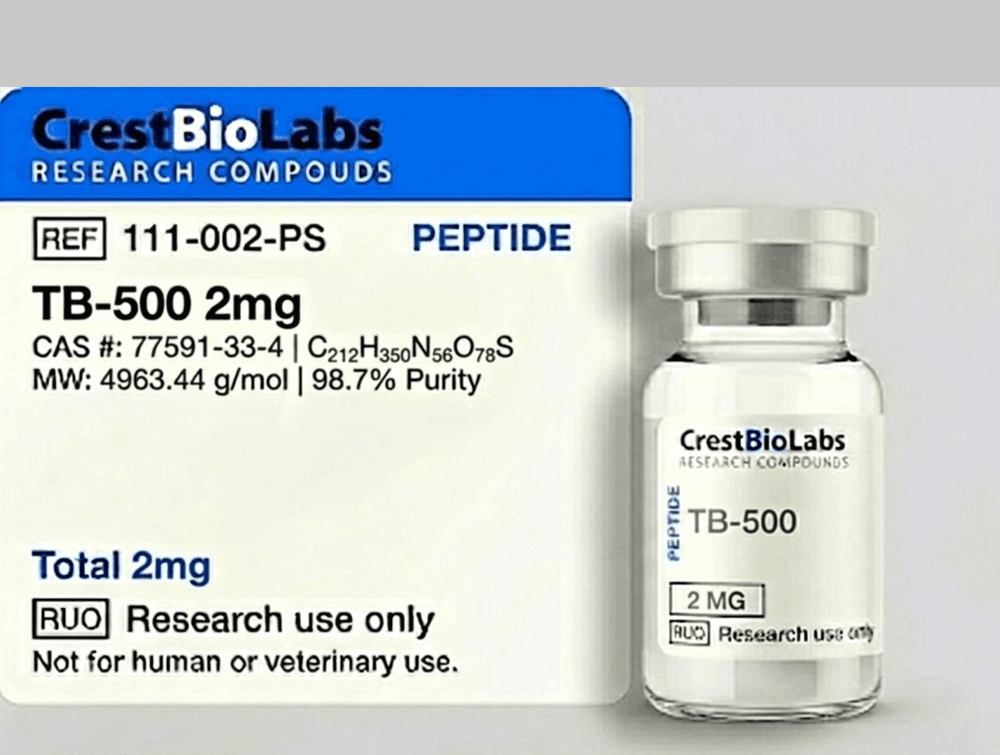
TB-500 2mg
C212H350N56O78S
Thymosin Beta-4 (TB-500) is a naturally occurring peptide present in virtually all human and animal cells. It plays a critical role in tissue repair and regeneration.
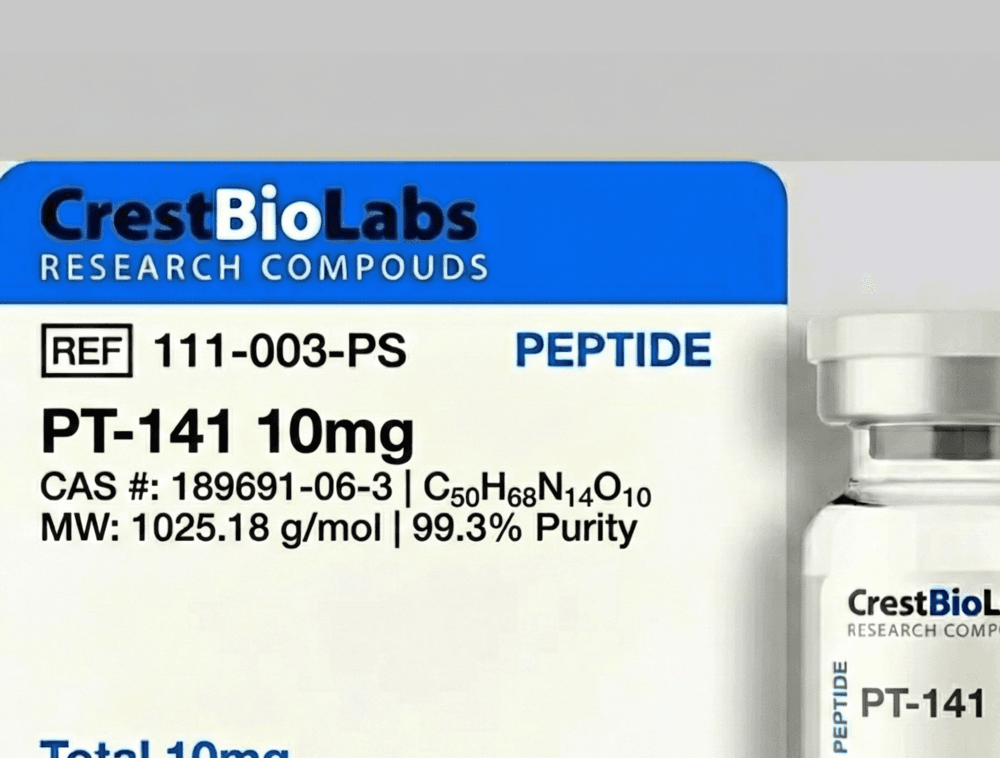
PT-141 10mg
C50H68N14O10
PT-141 (Bremelanotide) is a synthetic peptide analog of alpha-melanocyte stimulating hormone. It was developed from Melanotan II research.
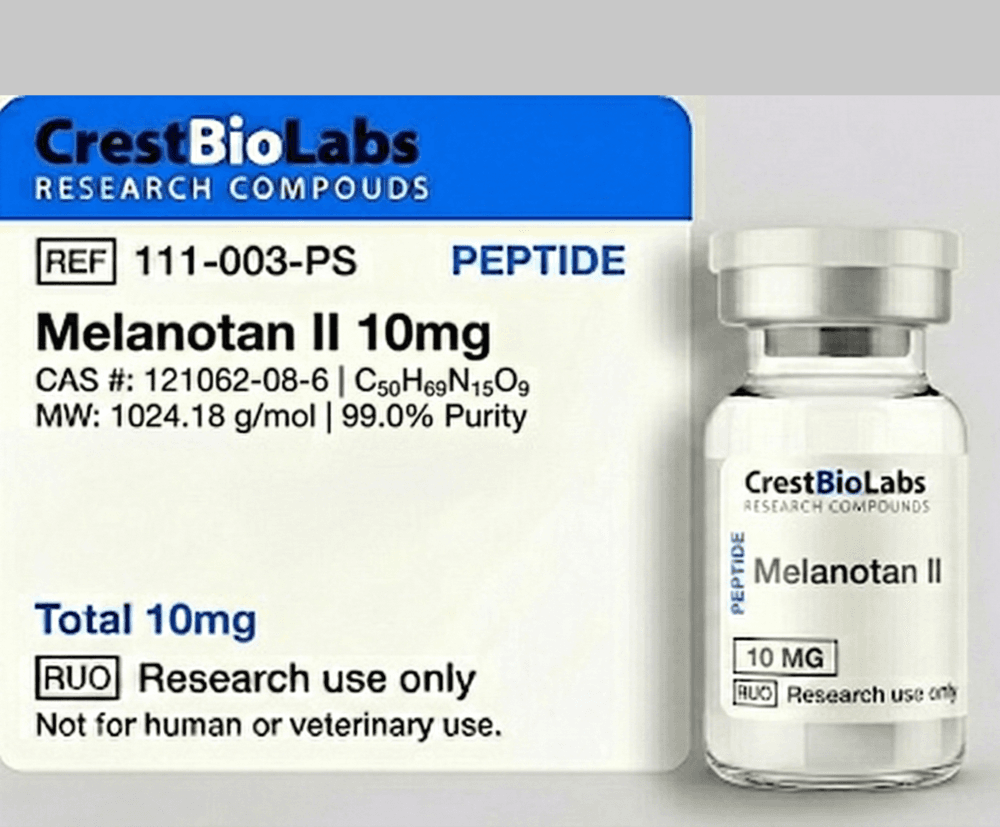
Melanotan II 10mg
C50H69N15O9
Melanotan II is a synthetic analog of the naturally occurring melanocortin peptide hormone alpha-melanocyte-stimulating hormone (α-MSH).
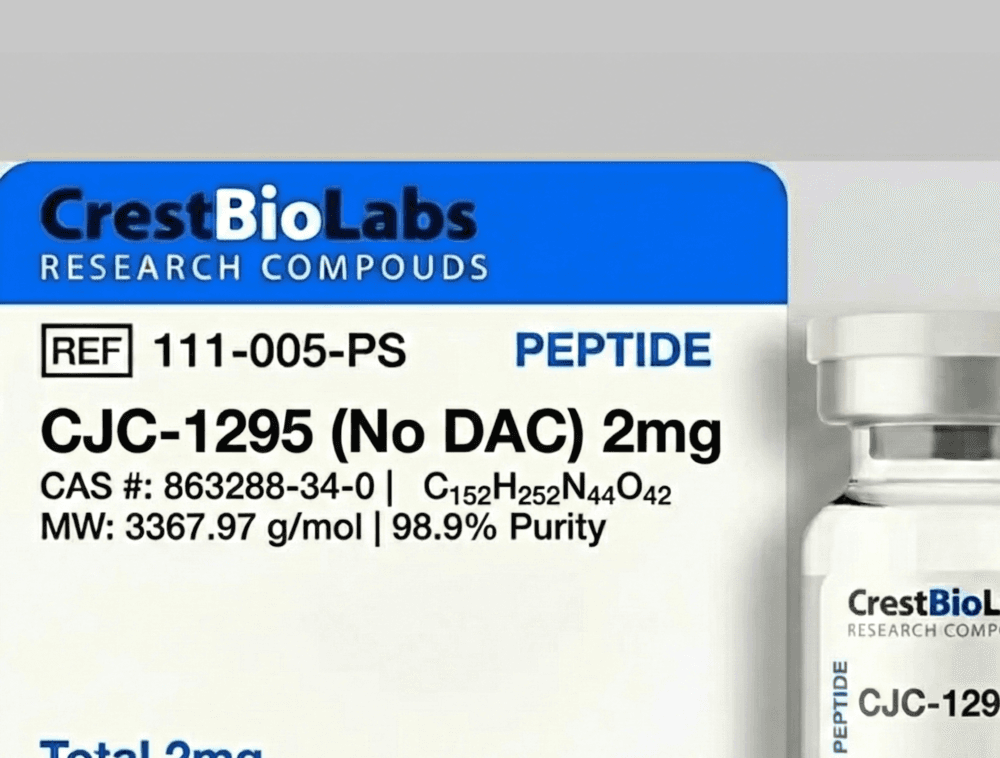
CJC-1295 (No DAC) 2mg
C152H252N44O42
CJC-1295 without DAC (also known as Mod GRF 1-29) is a synthetic analog of growth hormone-releasing hormone with modified amino acids.