What Is a Certificate of Analysis?
A Certificate of Analysis (COA) is an official quality-control document that accompanies a manufactured product and reports the results of all analytical testing performed on a specific production batch. In the context of research peptides and related compounds, the COA serves as the primary evidence that a product has been tested against predefined specifications and meets the quality standards required for its intended research application. Every COA is tied to a unique lot or batch number, meaning that it describes only the material produced and tested in that particular manufacturing run.
The concept of batch-level certification originated in pharmaceutical and chemical manufacturing quality systems, where regulators require documented proof that each lot of a product conforms to established standards before release. While research-use-only compounds are not subject to the same regulatory framework as pharmaceutical products, the COA remains the scientific community's standard mechanism for communicating analytical quality data. Responsible suppliers provide COAs for every lot produced, and researchers should consider the COA an essential part of the product rather than an optional accessory.
A comprehensive peptide COA typically includes product identity information (name, amino acid sequence, lot number, CAS number where applicable), purity data from HPLC analysis, molecular identity confirmation from mass spectrometry, physical characterization (appearance), and any additional testing relevant to the specific product or application. Each data point on the COA contributes a distinct piece of information about the compound's quality, and a thorough understanding of these components enables researchers to make informed decisions about whether a given batch is suitable for their experimental needs.
Why COAs Matter for Research Peptides
The reliability and reproducibility of in-vitro research depend fundamentally on the quality and identity of the reagents used. A peptide that is incorrectly identified, contaminated with synthesis byproducts, or degraded during storage can produce misleading experimental results, waste time and resources, and ultimately compromise the validity of published findings. The COA is the researcher's first line of defense against these risks, providing objective analytical data that can be evaluated before the compound is introduced into any experimental protocol.
Peer-reviewed journals increasingly require authors to report the source, lot number, and purity of all key reagents, including peptides. Providing this information strengthens the reproducibility of published work by enabling other laboratories to obtain the same material or, at minimum, material of equivalent quality. Without COA documentation, researchers cannot verify that the compound they received matches what was ordered, nor can they compare batch quality across different purchases or suppliers.
From a practical standpoint, COAs also protect researchers against the risk of supplier error. Manufacturing environments produce multiple peptides in parallel, and mislabeling or cross-contamination, while rare in well-managed facilities, can occur. Reviewing the COA's mass spectrometry data to confirm that the observed molecular weight matches the expected sequence provides a straightforward identity check that takes only minutes but can prevent weeks of troubleshooting failed experiments.
Additionally, for researchers working under Good Laboratory Practice (GLP) standards or institutional quality management systems, maintaining COA records for all reagents is typically a requirement. The COA becomes part of the experimental audit trail, documenting the provenance and quality of every material used. Proper laboratory handling protocols should include procedures for reviewing and archiving COAs alongside experimental records.
Key Components of a Peptide COA
A well-structured peptide COA contains several distinct sections, each serving a specific purpose in documenting product quality. Understanding what each section communicates allows researchers to quickly assess whether a batch meets their requirements.
Product Identification
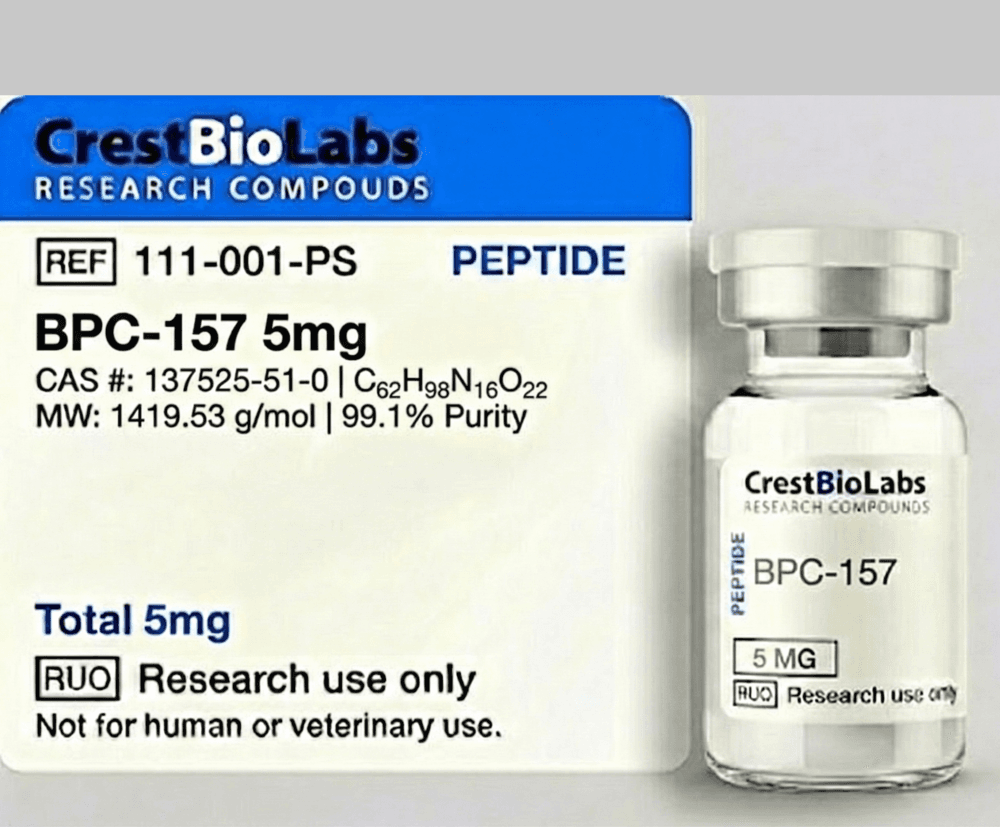
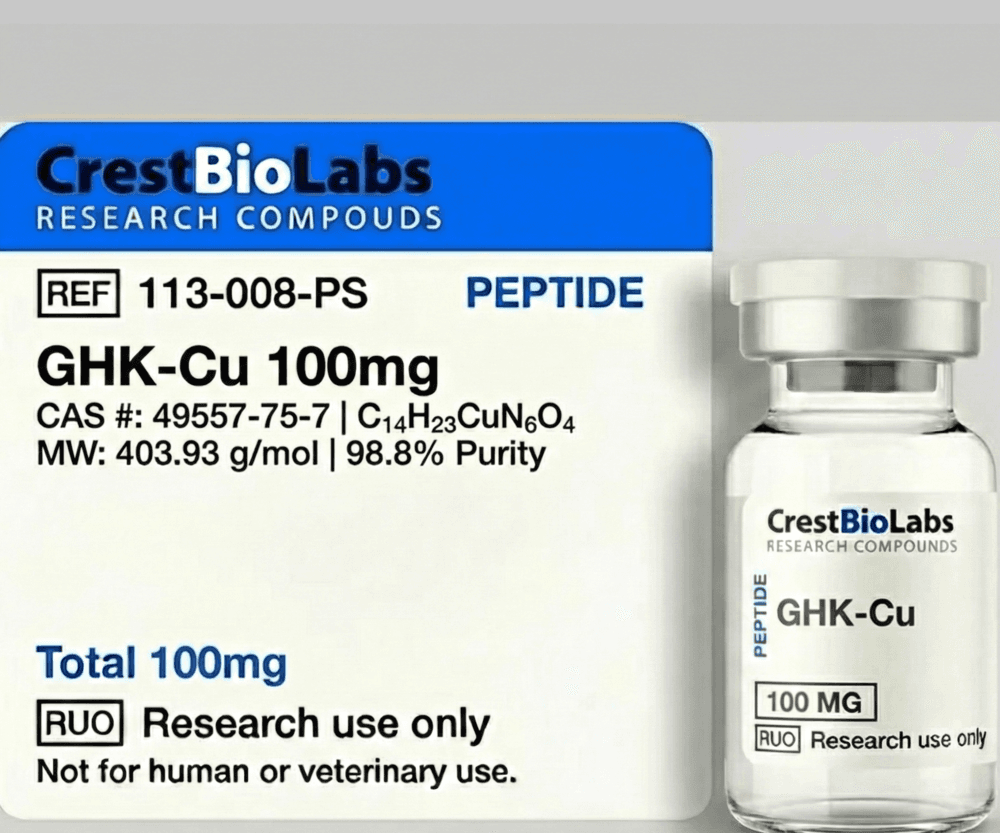
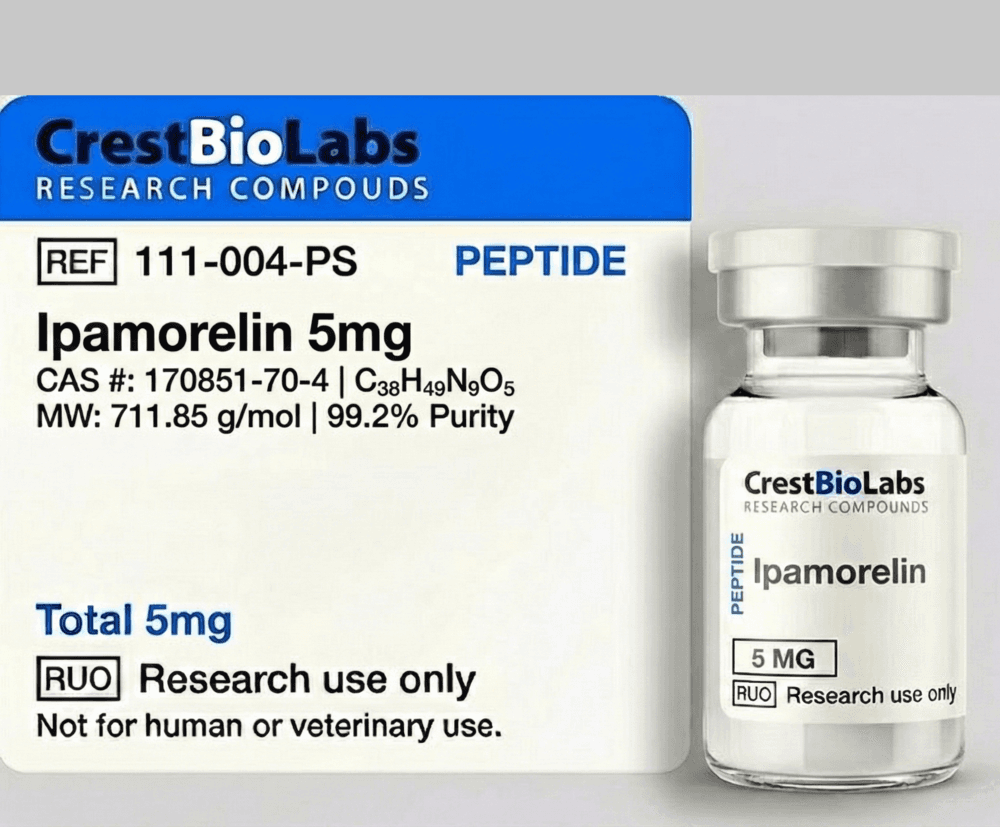
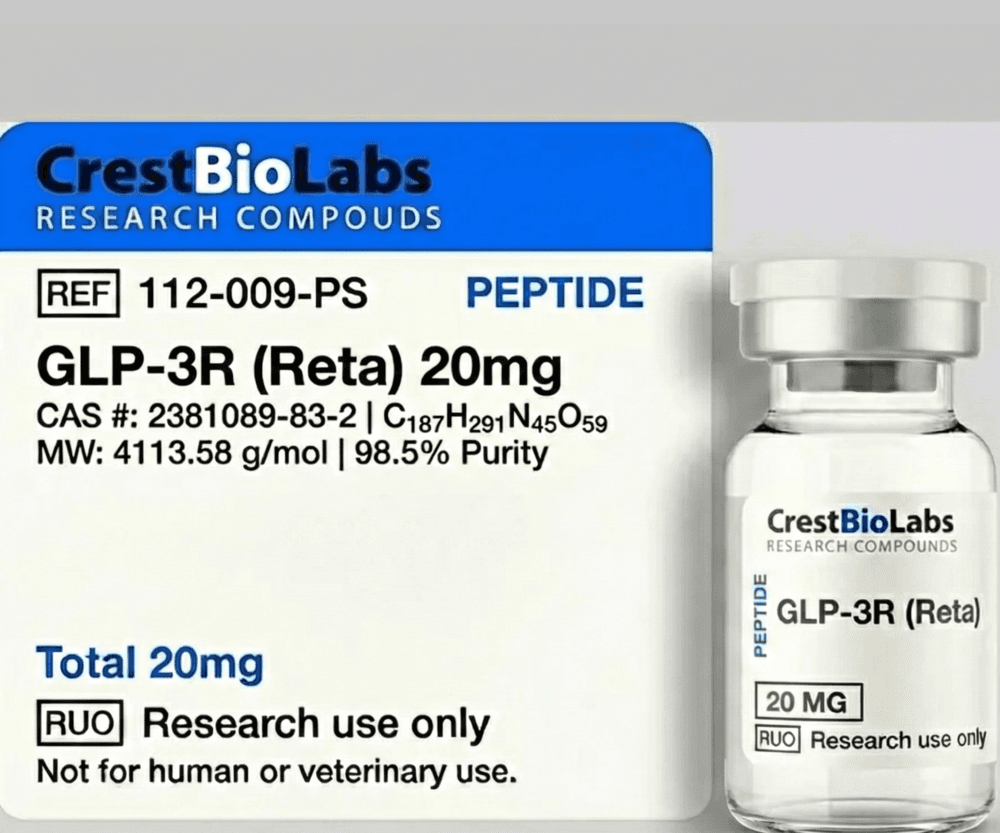
The identification section includes the product name, amino acid sequence (using standard one-letter or three-letter codes), molecular formula, theoretical molecular weight, lot or batch number, manufacturing date, and CAS registry number where applicable. The lot number is critical because it uniquely identifies the specific manufacturing run and links all analytical data on the COA to that particular batch of material. Researchers should always record the lot number in their laboratory notebooks and publications.
Specifications and Results
Most COAs present analytical data in a tabular format with columns for the test performed, the specification (acceptance criteria), and the actual result obtained. For example, a purity specification might read "greater than or equal to 98.0% by HPLC," with the result column showing the measured value such as "99.1%." A pass/fail designation may also be included for each parameter. This format enables rapid assessment: if all results meet their respective specifications, the batch has passed quality control.
Analytical Method References
Comprehensive COAs include descriptions or references to the analytical methods used. For HPLC, this should specify the column type, mobile phase composition, gradient conditions, flow rate, column temperature, and detection wavelength. For mass spectrometry, the ionization method (ESI or MALDI) and instrument type should be noted. Method information is important because results obtained under different analytical conditions may not be directly comparable. Researchers comparing COAs from different suppliers should consider whether the methods used are equivalent.
Understanding HPLC Chromatograms on a COA
The HPLC chromatogram is one of the most informative elements of a peptide COA, yet it is also one of the most frequently overlooked by researchers who focus solely on the numerical purity percentage. A chromatogram is a plot of detector response (UV absorbance, typically at 214 nm) versus time (in minutes), and it provides a visual representation of the composition of the sample. The target peptide appears as the dominant peak, and any impurities present in the sample appear as additional, typically smaller, peaks at different retention times.
When examining an HPLC chromatogram on a COA, several features merit attention. First, the main peak should be symmetric and well-resolved from neighboring peaks. Asymmetric peaks (exhibiting tailing or fronting) may indicate chromatographic problems or the presence of closely eluting impurities that are not fully resolved. Second, the baseline should be flat and stable, without significant drift or noise that could compromise peak integration accuracy. Third, the number and relative sizes of impurity peaks provide information about the types and quantities of contaminants present.
Common impurities visible on a peptide chromatogram include deletion sequences (peptides missing one or more amino acid residues from the target sequence), truncated sequences (fragments resulting from incomplete coupling reactions), oxidized species (particularly methionine sulfoxide variants, which typically elute earlier than the parent peptide), and deamidation products. Each of these impurity types has characteristic chromatographic behavior that experienced analysts can identify from the chromatogram pattern.
For a deeper understanding of chromatographic methodology and how HPLC separations are performed and optimized, refer to our comprehensive guide on HPLC purity testing for research peptides. That article covers column chemistry, mobile phase selection, gradient elution, and the fundamentals of UV detection at 214 nm in detail.
Mass Spectrometry Data on COAs
While HPLC provides information about purity (how much of the sample is the target compound), mass spectrometry provides confirmation of identity (what the compound actually is). The mass spectrometry section of a COA reports the observed molecular weight of the peptide and compares it against the theoretical molecular weight calculated from the amino acid sequence. Agreement between these values, typically within 0.1% for electrospray ionization mass spectrometry (ESI-MS) or within 0.5 daltons for MALDI-TOF, confirms that the correct peptide has been synthesized.
Electrospray ionization (ESI-MS) is the most commonly used technique for peptide identity confirmation. ESI produces multiply charged ions, resulting in a characteristic envelope of peaks in the raw mass spectrum. The deconvoluted molecular weight (calculated from the charge state distribution) provides the actual molecular mass. A well-documented COA should report both the raw ESI spectrum (showing the charge state envelope) and the deconvoluted molecular weight. Matrix-assisted laser desorption/ionization time-of-flight (MALDI-TOF) MS is an alternative technique that produces predominantly singly charged ions and is particularly useful for larger peptides and proteins.
Researchers should pay particular attention to mass discrepancies. A difference of 16 Da between the observed and theoretical molecular weight suggests oxidation (addition of one oxygen atom, commonly at methionine residues). A difference of +1 Da may indicate deamidation (conversion of asparagine to aspartate). Larger discrepancies, such as mass differences corresponding to one or more amino acid residues, may indicate deletion sequences, incomplete deprotection of side-chain protecting groups, or errors in the synthesis.
Our dedicated guide on mass spectrometry for peptide analysis provides a thorough overview of ESI-MS and MALDI-TOF methodology, including ionization principles, charge state analysis, spectral interpretation, and the relationship between mass accuracy and identity confirmation.
Appearance and Physical Testing
The appearance section of a peptide COA describes the physical characteristics of the product as received. For lyophilized peptides, the standard description is "white to off-white lyophilized powder" or "white fluffy powder." While this may seem like a trivial test, appearance provides a useful first-pass quality indicator. Significant deviations from the expected appearance, such as discoloration (yellow, brown, or gray coloring), clumping, crystalline rather than amorphous texture, or oily residues, can indicate degradation, contamination, or improper lyophilization.
Some COAs also report solubility data, indicating the solvents in which the peptide dissolves and the approximate concentration achievable. Common solvents for peptide reconstitution include sterile water, dilute acetic acid, dimethyl sulfoxide (DMSO), and phosphate-buffered saline (PBS). Solubility information helps researchers select appropriate reconstitution conditions and can also serve as a quality indicator, since degraded or aggregated peptides may exhibit reduced solubility compared to intact material.
Net peptide content is another physical parameter sometimes reported on COAs. Lyophilized peptides typically contain 60-80% peptide by weight, with the remainder consisting of counter-ions (trifluoroacetate or acetate), residual moisture, and residual solvents. When preparing stock solutions for quantitative research, net peptide content rather than gross weight should be used to calculate accurate molar concentrations. Suppliers that report net peptide content on their COAs provide researchers with the data needed for precise solution preparation.
Sterility and Endotoxin Testing
For certain research applications, particularly cell-based assays and other in-vitro biological studies, the presence of microbial contamination or bacterial endotoxins can confound experimental results. Some peptide COAs include sterility testing results and/or endotoxin quantification, particularly for products marketed for cell culture or biological research applications.
Endotoxin testing is most commonly performed using the Limulus Amebocyte Lysate (LAL) assay, which detects lipopolysaccharide (LPS) endotoxins from gram-negative bacteria. Results are reported in endotoxin units per milligram (EU/mg) of peptide. Low endotoxin levels are critical for cell-based research because LPS is a potent activator of innate immune signaling pathways, and even trace contamination can activate toll-like receptor 4 (TLR4) signaling in sensitive cell lines, confounding results in immunological, inflammatory, or signal transduction studies.
Sterility testing confirms the absence of viable microorganisms in the product and is typically performed by direct inoculation of the sample into growth media followed by incubation. While not all research peptide products undergo sterility and endotoxin testing, researchers working with sensitive biological systems should seek out products that include this data on their COAs or should perform their own testing after reconstitution. Proper aseptic handling techniques during reconstitution and aliquoting are also essential to maintain the sterility of the working solution.
How to Read Purity Percentages
Purity percentages on a peptide COA are almost always determined by reversed-phase HPLC using the area normalization method. This means the purity value represents the proportion of the total UV-absorbing chromatographic peak area that belongs to the target peptide. A reported purity of 98.5% indicates that 98.5% of all detected UV-absorbing species in the sample correspond to the target compound, while the remaining 1.5% consists of related impurities such as deletion sequences, truncated fragments, oxidized variants, or deamidation products.
It is important to understand what HPLC purity does not measure. The area-percent method does not detect non-UV-absorbing substances including inorganic salts, water, counter-ions (TFA or acetate), or small organic molecules that lack a peptide bond chromophore. This is why a peptide can have 99% HPLC purity but only 70% net peptide content by weight: the remaining 30% of the gross weight consists of these non-UV-absorbing components. Both values are important but they measure different things, and conflating them is a common source of confusion.
Purity specifications vary by application. General research-grade peptides are commonly specified at 95% or higher purity. For quantitative binding studies, enzyme kinetics, and structure-activity relationship (SAR) research, purities of 98% or above are recommended to minimize impurity-related artifacts. Immunogenic peptides used for antibody production may be acceptable at lower purities (70-85%) because the application is more tolerant of heterogeneity. The specific purity requirement should be determined by the sensitivity and specificity demands of the intended assay.
When comparing purity values across different suppliers, researchers should confirm that similar analytical methods were used. Differences in column chemistry, gradient conditions, or integration parameters can produce different purity values for the same sample. A purity reported as 97% using one method might be reported as 95% or 99% using a different method, depending on resolution and peak integration settings. Method descriptions on the COA are essential for meaningful cross-supplier comparisons.
Batch-to-Batch Consistency
Reproducible research requires consistent reagent quality across experiments. When a study spans multiple orders of the same peptide, batch-to-batch consistency becomes an important consideration. The COA is the primary tool for evaluating whether a new batch is equivalent to the previous one. Researchers should compare key parameters, specifically HPLC purity, observed molecular weight, and chromatogram profile, between the new and prior COAs.
Small variations in purity between batches are normal and expected. A supplier with a specification of "greater than or equal to 98%" may deliver batches with purities of 98.2%, 99.1%, and 98.7% on successive orders. These variations fall within the specification and are unlikely to affect experimental results for most applications. However, a significant change in purity, or the appearance of new impurity peaks in the chromatogram that were not present in previous batches, may warrant further investigation before use.
For long-running studies, researchers should consider establishing an internal acceptance procedure: when a new lot arrives, review the COA, compare it to previous lots, and if the study is particularly sensitive, run a side-by-side comparison of the new and old lots in the experimental assay before fully transitioning to the new batch. This practice adds minimal overhead but provides significant protection against batch-related variability in research data.
Consistency also extends to the physical format of the product. Changes in counter-ion form (e.g., TFA salt versus acetate salt) can affect peptide solubility, pH of reconstituted solutions, and cell culture compatibility. These details, when reported on the COA, help researchers anticipate and control for formulation-related variables.
Requesting and Verifying COAs
Responsible suppliers provide COAs proactively with every shipment, either as printed documents included in the package, downloadable PDFs linked from the product page, or both. If a COA is not included with a shipment, researchers should request it before using the product. Reputable suppliers will provide COAs promptly upon request, referencing the specific lot number shipped.
When verifying a COA, perform the following checks. First, confirm that the lot number on the COA matches the lot number on the product vial label. Second, verify that the reported amino acid sequence matches the expected sequence for the compound ordered. Third, calculate the theoretical molecular weight from the sequence and compare it against the observed mass spectrometry value. Fourth, confirm that the HPLC purity meets the specification listed on the product page or the supplier's catalog. Fifth, if a chromatogram is included, examine it for the characteristics described in the HPLC section above.
Third-party testing is the gold standard for independent verification. Some researchers, particularly those working on high-stakes studies or evaluating a new supplier, submit samples to an independent analytical laboratory for confirmatory HPLC and mass spectrometry testing. While this adds cost and time, it provides an unbiased assessment of product quality that is completely independent of the supplier's own testing.
All COAs should be archived as part of the laboratory's reagent documentation system. Whether stored as physical copies in a dedicated binder or as digital files in a laboratory information management system (LIMS), maintaining a complete record of COAs for all purchased reagents supports traceability, audit readiness, and the ability to retrospectively investigate any unexpected experimental results.
Red Flags: Signs of Inadequate Quality Documentation
Not all COAs are created equal, and the quality of a supplier's documentation can serve as a proxy for the quality of their manufacturing and testing processes. Researchers should be alert to several red flags that may indicate inadequate quality control or unreliable documentation.
Missing or Generic Lot Numbers
Every COA must reference a specific lot or batch number. If a supplier provides a COA with no lot number, a generic lot number that appears to be the same across multiple products, or a lot number that does not match the product label, the traceability of the analytical data is compromised. There is no way to confirm that the testing was actually performed on the specific material being shipped.
Absence of Raw Analytical Data
A COA that reports a purity of "99%" without including an HPLC chromatogram, or a molecular weight "confirmed by MS" without including the mass spectrum, provides numerical claims without supporting evidence. Reputable suppliers include chromatogram and spectrum images (or provide them upon request) because the raw data allows researchers to independently evaluate the quality of the analytical work. Claims without supporting data should be treated with skepticism.
Unrealistically High Purity Claims
While high-purity peptides are achievable with modern synthesis and purification technology, COAs that consistently report purities of 99.9% or higher for complex peptide sequences should be viewed critically. HPLC area-percent purity measurements have inherent limitations in precision and accuracy, and very long or complex peptides are particularly challenging to produce at extreme purities. A supplier that routinely claims near-perfect purity for all products may be using overly generous integration parameters or failing to resolve close-eluting impurities.
No Method Information
COAs that omit analytical method details, such as column type, mobile phase, gradient conditions, and detection wavelength, make it impossible for researchers to evaluate whether the testing was performed using appropriate, industry-standard methods. Method transparency is a hallmark of credible analytical documentation.
Inconsistent or Templated Documents
If COAs from a supplier appear to use the same chromatogram or spectrum image across different products or lot numbers, this is a serious concern. Each batch should have unique analytical data. Similarly, COAs that appear to be editable (Word documents rather than PDFs, for example) or that lack professional formatting may indicate a lack of formal quality management processes. Trustworthy suppliers generate COAs from controlled quality management systems that prevent unauthorized modification of released documents.
Building a Complete Understanding of Peptide Quality
The Certificate of Analysis is the cornerstone of peptide quality documentation, but it exists within a broader ecosystem of analytical techniques and laboratory practices that collectively ensure the integrity of research compounds. Understanding COAs in isolation is valuable, but understanding how the techniques reported on a COA work at a fundamental level provides even greater ability to critically evaluate product quality.
To deepen your understanding of the analytical methods referenced on peptide COAs, explore these related resources in our Research Library:
- HPLC Purity Testing for Research Peptides — A detailed examination of reversed-phase HPLC methodology, column chemistry, mobile phase selection, and chromatogram interpretation.
- Mass Spectrometry for Peptide Analysis — ESI-MS and MALDI-TOF principles, spectral interpretation, and molecular weight confirmation methodology.
- Laboratory Handling Protocols — Standard operating procedures for peptide reconstitution, aliquoting, and storage, including how to use COA data for accurate solution preparation.
Together, these resources equip researchers with the knowledge to evaluate peptide quality documentation critically, select appropriate products for their specific applications, and maintain the reagent quality standards that underpin reproducible, publication-quality research. Browse our full product catalog to view COA-documented research compounds.