Growth Hormone Secretagogues: Overview and Classification
Growth hormone secretagogues (GHS) encompass a diverse class of compounds that stimulate the release of growth hormone (GH) from anterior pituitary somatotrophs. These molecules act through two principal receptor pathways: the growth hormone-releasing hormone receptor (GHRH-R) and the growth hormone secretagogue receptor type 1a (GHS-R1a, also known as the ghrelin receptor). The complementary nature of these two pathways forms the pharmacological foundation for metabolic peptide research.
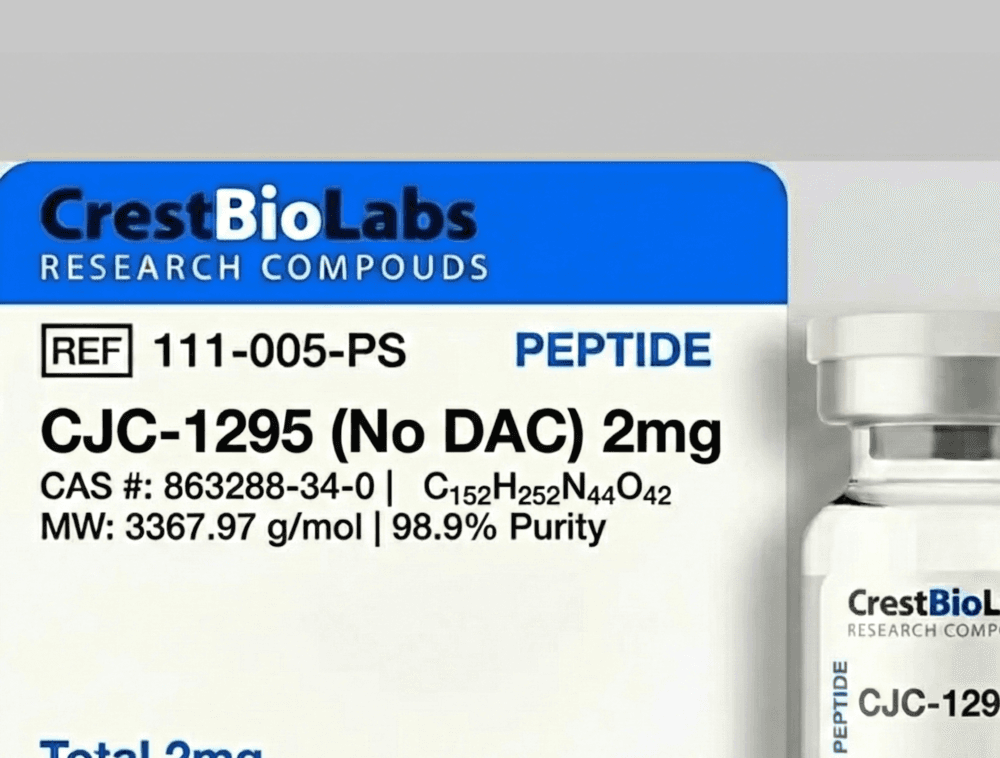
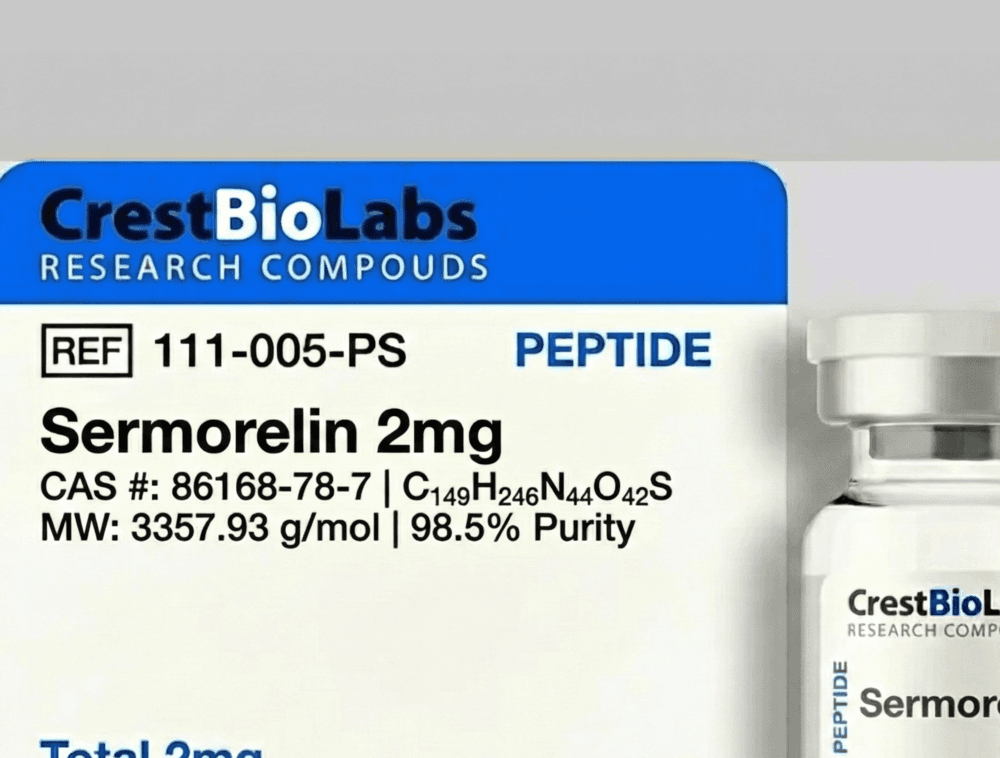
GHRH-R agonists are structural analogs of the endogenous hypothalamic peptide GHRH(1-44)NH2, the primary physiological stimulator of GH synthesis and secretion. These analogs typically retain the first 29 amino acids of GHRH, which constitute the minimal sequence required for full biological activity, with specific amino acid substitutions introduced to enhance proteolytic stability and receptor binding affinity. Sermorelin (GHRH(1-29)NH2) represents the unmodified bioactive fragment, while CJC-1295 (Mod GRF 1-29) incorporates four strategic substitutions at positions 2, 8, 15, and 27 that confer resistance to dipeptidyl peptidase-4 (DPP-4) and other serum proteases.
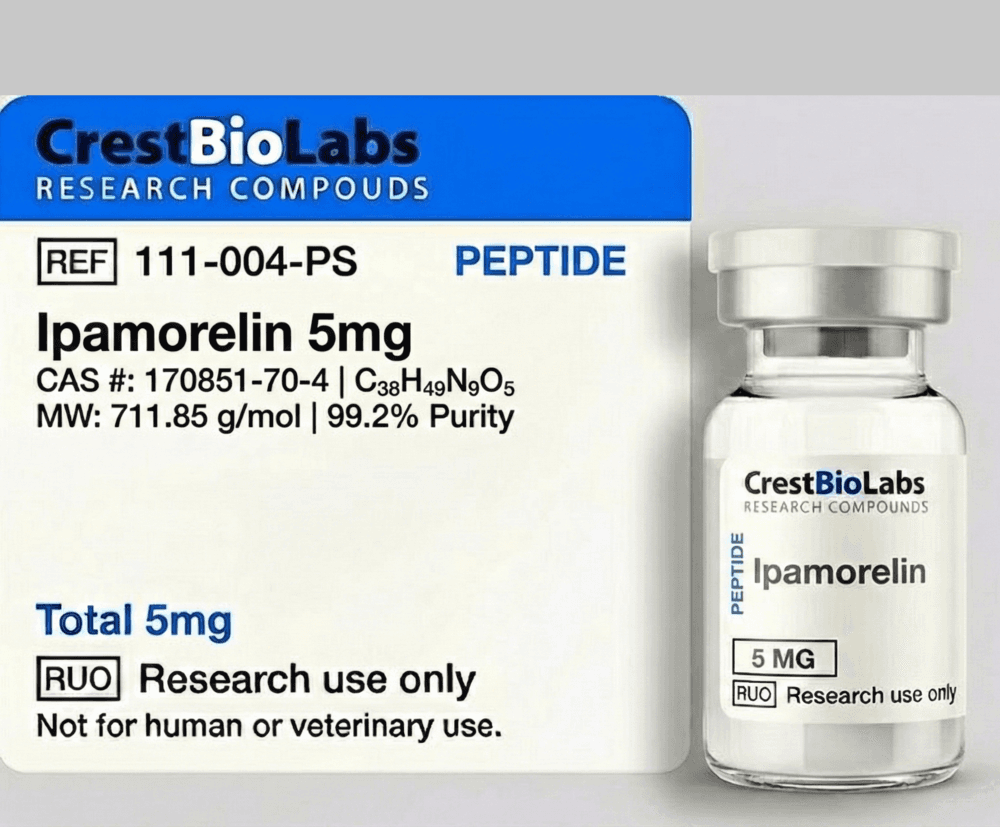
GHS-R1a agonists include both peptide and non-peptide compounds that mimic the GH-releasing activity of ghrelin. Growth hormone-releasing peptides (GHRPs) such as GHRP-6, GHRP-2, hexarelin, and ipamorelin are synthetic peptides ranging from five to seven amino acid residues that bind GHS-R1a with varying affinities and selectivity profiles. Ipamorelin, a pentapeptide with the sequence Aib-His-D-2-Nal-D-Phe-Lys-NH2, is distinguished by its high selectivity for GHS-R1a with minimal effects on cortisol, prolactin, or ACTH in preclinical models.
The historical development of GHS research spans several decades, beginning with the discovery of GH-releasing activity in enkephalin analogs in the 1970s, followed by the identification of the GHS-R in the 1990s, and the subsequent discovery of ghrelin as the endogenous GHS-R1a ligand in 1999. This research trajectory has yielded a rich pharmacological toolkit of receptor-selective agonists and antagonists that are widely used in preclinical investigations of metabolic function.
GHRH Analogs and Receptor Pharmacology
The GHRH receptor is a class B G-protein coupled receptor expressed predominantly on somatotroph cells of the anterior pituitary gland. It consists of a large extracellular N-terminal domain (ECD) that binds the C-terminal region of GHRH peptides, and a seven-transmembrane domain (TMD) that couples to the stimulatory G-protein Gs upon ligand-induced conformational change. Receptor activation results in adenylate cyclase stimulation, elevation of intracellular cAMP, and activation of protein kinase A (PKA), which phosphorylates downstream targets including the transcription factor CREB and voltage-gated calcium channels.
Sermorelin acetate (GHRH(1-29)NH2) is the shortest fully functional fragment of human GHRH, retaining all the biological activity of the full-length 44-amino acid peptide. Structure-activity relationship studies have demonstrated that the N-terminal region (residues 1-7) is critical for receptor activation, while the amphipathic alpha-helical region (residues 8-27) provides the binding affinity necessary for stable receptor engagement. The C-terminal residues 28-29 contribute to helical stability but are not essential for functional activity.
CJC-1295 without DAC (Mod GRF 1-29) introduces four amino acid substitutions to the sermorelin backbone: D-Ala2 (resistance to DPP-4 cleavage of the Tyr1-Ala2 bond), Gln8 to Ala8 (improved metabolic stability), Ala15 to Leu15 (enhanced hydrophobic packing in the amphipathic helix), and Leu27 to Nle27 (resistance to oxidation). These modifications extend the in-vivo half-life from approximately 10-20 minutes (sermorelin) to approximately 30 minutes (CJC-1295 without DAC), while maintaining nanomolar binding affinity at the GHRH receptor.
The Drug Affinity Complex (DAC) technology, which is not present in the Mod GRF 1-29 variant, involves a reactive succinimide group that forms a covalent bond with circulating albumin following injection. DAC-modified CJC-1295 achieves a half-life of approximately 5-8 days but produces sustained, non-pulsatile GH elevation. In preclinical research, the non-DAC variant is generally preferred for studying physiological pulsatile GH release patterns, as the shorter half-life allows the natural somatostatin-mediated trough periods between GH pulses to be maintained.
Ghrelin Mimetics and GHS-R1a Biology
The growth hormone secretagogue receptor type 1a (GHS-R1a) is a constitutively active GPCR with approximately 50% of maximal signaling activity in the absence of ligand binding. This constitutive activity, mediated through the Gq/11 signaling pathway, contributes to basal GH secretion tone and has implications for inverse agonist pharmacology at this receptor. GHS-R1a is expressed in the anterior pituitary, hypothalamic arcuate nucleus, ventromedial hypothalamus, hippocampus, and various peripheral tissues including the gastrointestinal tract and pancreatic islets.
Ghrelin, the endogenous ligand of GHS-R1a, is a 28-amino acid peptide with a unique octanoyl (C8:0) modification on serine-3 that is essential for receptor binding and activation. This acylation is catalyzed by ghrelin O-acyltransferase (GOAT), a membrane-bound enzyme expressed in gastric X/A-like cells. Des-acyl ghrelin, the non-octanoylated form, does not activate GHS-R1a at physiological concentrations and circulates at 3-5 fold higher levels than acyl-ghrelin. The acyl-ghrelin/des-acyl-ghrelin ratio is a parameter of interest in metabolic research, as it may reflect GOAT enzyme activity and nutritional status in preclinical models.
Synthetic GH-releasing peptides (GHRPs) were discovered before the identification of GHS-R1a or ghrelin, and they stimulate GH release through binding to the same receptor. The evolution of GHRP pharmacology illustrates progressive improvement in receptor selectivity across generations. GHRP-6 (His-D-Trp-Ala-Trp-D-Phe-Lys-NH2) and GHRP-2 (D-Ala-D-2-Nal-Ala-Trp-D-Phe-Lys-NH2) are earlier compounds that stimulate GH release but also elevate cortisol and prolactin levels in preclinical models due to activity at non-GHS-R1a targets. Hexarelin (His-D-2-MeTrp-Ala-Trp-D-Phe-Lys-NH2) shows improved potency but retains some non-selective effects.
Ipamorelin represents the culmination of GHRP selectivity optimization. Its pentapeptide structure incorporates alpha-aminoisobutyric acid (Aib) at position 1 and D-configured non-natural amino acids at positions 3 and 4, which collectively confer high affinity for GHS-R1a (Ki approximately 1-2 nM) with negligible activity at cortisol, prolactin, or ACTH-releasing pathways. This clean pharmacological profile has made ipamorelin the preferred ghrelin mimetic for preclinical GH secretion studies where isolated GHS-R1a activation is desired without confounding hormonal effects.
The GH/IGF-1 Axis in Preclinical Models
The growth hormone/insulin-like growth factor-1 (GH/IGF-1) axis is a central neuroendocrine regulatory system that coordinates growth, metabolism, and body composition. In the canonical signaling cascade, hypothalamic GHRH stimulates pulsatile GH release from anterior pituitary somatotrophs. Circulating GH binds to the GH receptor (GHR), a type I cytokine receptor, on hepatocytes and other target tissues, activating the JAK2/STAT5 signaling pathway and stimulating the transcription and secretion of IGF-1.
IGF-1, a 70-amino acid single-chain polypeptide with structural homology to proinsulin, circulates primarily in complex with IGF-binding proteins (IGFBPs), particularly IGFBP-3 in a ternary complex with the acid-labile subunit (ALS). This ternary complex extends the circulating half-life of IGF-1 from approximately 10 minutes (free IGF-1) to 12-15 hours and serves as a reservoir for regulated IGF-1 release to target tissues. Six IGFBPs (IGFBP-1 through -6) modulate IGF-1 bioavailability in a tissue-specific and context-dependent manner that is actively investigated in preclinical research.
At the cellular level, IGF-1 binds to the IGF-1 receptor (IGF-1R), a receptor tyrosine kinase that activates two major intracellular signaling cascades: the PI3K/Akt/mTOR pathway (promoting cell survival, protein synthesis, and metabolic regulation) and the Ras/Raf/MEK/ERK pathway (promoting cell proliferation and differentiation). The relative activation of these pathways varies by tissue type and developmental stage, contributing to the pleiotropic biological effects of GH/IGF-1 signaling that are characterized in diverse preclinical model systems.
Negative feedback regulation of the GH/IGF-1 axis operates at multiple levels. Hypothalamic somatostatin (SRIF), a cyclic peptide that binds to somatostatin receptors (SSTR1-5) on somatotrophs, inhibits GH release and establishes the pulsatile pattern of GH secretion. IGF-1 itself feeds back to suppress GH secretion both directly at the pituitary and indirectly by stimulating hypothalamic somatostatin release. GH also exerts short-loop feedback on its own secretion. Understanding these feedback mechanisms is essential for interpreting the effects of exogenous secretagogues on GH/IGF-1 axis dynamics in preclinical experimental models.
Synergistic GH Release: Dual-Pathway Activation
One of the most consistently replicated findings in GH secretagogue research is the synergistic interaction between GHRH-R and GHS-R1a activation. When a GHRH analog and a ghrelin mimetic are co-administered, the resulting GH release significantly exceeds the mathematical sum of the individual responses, a phenomenon that has been documented in primary pituitary cell cultures, perfused pituitary preparations, and whole-animal preclinical models across multiple species.
The molecular basis for this synergy lies in the convergent but distinct intracellular signaling cascades activated by each receptor. GHRH-R signals primarily through Gs/adenylate cyclase/cAMP/PKA, while GHS-R1a signals through Gq/11/phospholipase C (PLC)/inositol trisphosphate (IP3)/intracellular calcium mobilization. PKA-mediated phosphorylation of L-type calcium channels increases calcium influx, while IP3-mediated calcium release from the endoplasmic reticulum raises cytosolic calcium concentration through a complementary mechanism. The combined elevation of cAMP and calcium produces a more-than-additive enhancement of GH granule exocytosis.
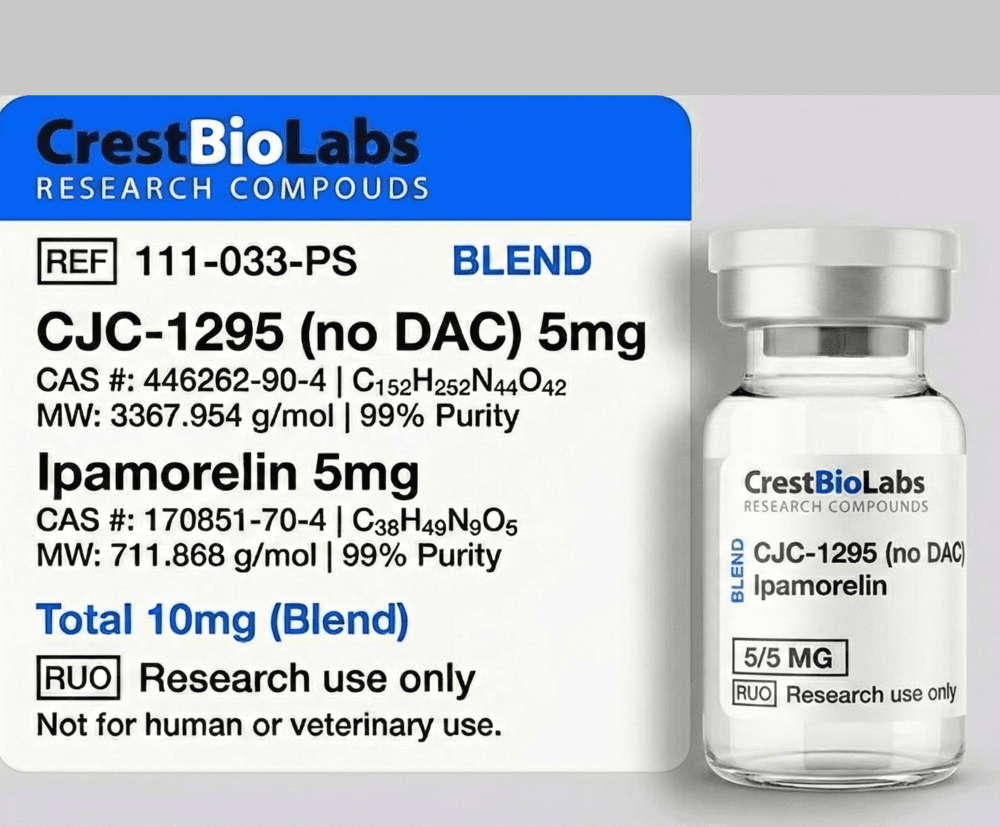
The CJC-1295/Ipamorelin combination is a well-characterized example of this synergistic interaction in preclinical research. CJC-1295 (Mod GRF 1-29) provides sustained GHRH-R activation through its DPP-4-resistant structure, while Ipamorelin provides selective GHS-R1a activation without the confounding cortisol and prolactin elevations associated with less selective GHRPs. Published preclinical data demonstrate that this combination produces GH pulse amplitudes that are 3-10 fold greater than those achieved with either compound alone, while maintaining the pulsatile release pattern that characterizes physiological GH secretion.
The timing and ratio of GHRH analog to ghrelin mimetic administration influence the magnitude of the synergistic response in preclinical protocols. Simultaneous co-administration generally produces the maximal synergistic effect, while sequential administration with GHRH preceding ghrelin mimetic by 5-10 minutes has been investigated for its ability to prime somatotrophs for enhanced GHS-R1a responsiveness. These temporal dynamics are studied using serial blood sampling protocols in animal models and perifusion systems with primary pituitary cells to characterize the kinetics of the synergistic GH release response.
Comparative Binding Affinities of Metabolic Secretagogues
Comparative receptor binding analysis is essential for understanding the relative potency and selectivity of different secretagogue peptides. Binding affinity is typically determined using radioligand displacement assays in membrane preparations from cells expressing the receptor of interest, yielding inhibition constants (Ki) that allow quantitative comparison across compounds.
At the GHRH receptor, native GHRH(1-44)NH2 binds with a Ki of approximately 0.1-0.5 nM. Sermorelin (GHRH(1-29)NH2) retains similar binding affinity (Ki approximately 0.2-1 nM), confirming that the C-terminal residues 30-44 are not critical for receptor engagement. CJC-1295 without DAC demonstrates comparable binding affinity to sermorelin (Ki approximately 0.5-2 nM) while exhibiting substantially improved metabolic stability, as measured by resistance to degradation in serum stability assays.
At GHS-R1a, the endogenous ligand ghrelin (acylated form) binds with a Ki of approximately 4-12 nM. Among synthetic GHRPs, GHRP-2 exhibits the highest affinity (Ki approximately 1-3 nM), followed by hexarelin (Ki approximately 2-5 nM), GHRP-6 (Ki approximately 5-15 nM), and ipamorelin (Ki approximately 1-2 nM). Despite similar binding affinity to GHRP-2, ipamorelin demonstrates significantly different functional selectivity, as it does not activate the cortisol or prolactin-releasing pathways that are engaged by GHRP-2 and GHRP-6 in in-vitro and preclinical models.
Cross-reactivity between the GHRH-R and GHS-R1a pathways is minimal for receptor-selective compounds. GHRH analogs show negligible binding at GHS-R1a, and ipamorelin shows negligible binding at GHRH-R, confirming the pharmacological independence of these two receptor systems. This mutual selectivity is critical for the design of combination studies, as it ensures that synergistic effects observed with co-administration reflect true dual-receptor pathway activation rather than single-receptor cross-reactivity artifacts in in-vitro assay systems.
Metabolic Pathway Research Applications
Growth hormone secretagogues serve as research tools for investigating diverse metabolic pathways beyond GH secretion. The GH/IGF-1 axis intersects with multiple metabolic regulatory networks, and secretagogue peptides enable selective manipulation of these pathways in preclinical experimental systems.
Protein Metabolism and Body Composition
GH is a potent anabolic hormone that stimulates protein synthesis through activation of the IGF-1R/PI3K/Akt/mTOR pathway and direct effects on amino acid uptake and ribosomal protein translation. In preclinical models, GH secretagogues are used to study the effects of elevated GH on nitrogen balance, lean mass accretion, and muscle protein fractional synthesis rates. These studies employ stable isotope tracer methodology (e.g., [13C]leucine or [2H5]phenylalanine incorporation) to quantify protein turnover rates in specific tissue compartments.
Lipid Metabolism and Energy Expenditure
GH stimulates lipolysis in adipose tissue through activation of hormone-sensitive lipase (HSL) and increases fatty acid oxidation in hepatocytes and skeletal muscle cells in in-vitro models. GH-mediated lipid mobilization is investigated using glycerol release assays in primary adipocyte cultures, fatty acid oxidation assays using [14C]palmitate, and gene expression analysis of lipolytic enzymes (ATGL, HSL, perilipin). Secretagogue peptides provide a means to study the metabolic effects of pulsatile versus sustained GH elevation on lipid metabolism parameters.
Glucose Homeostasis
GH has complex, biphasic effects on glucose metabolism: acute GH exposure produces insulin-like effects (enhanced glucose uptake), while sustained GH elevation leads to insulin resistance through impaired insulin receptor substrate (IRS) signaling. These opposing effects are studied in preclinical models using insulin tolerance tests, glucose clamp techniques, and insulin signaling pathway analysis (IRS/PI3K/Akt phosphorylation) in muscle and adipose tissue. Secretagogue peptides are used to model the physiological pulsatile GH pattern and compare its metabolic effects to continuous GH exposure in these experimental systems.
Peptide-Based Metabolic Research Tools
The portfolio of peptide-based metabolic research tools extends beyond secretagogues to include receptor antagonists, signaling pathway probes, and modified peptides designed for specific experimental applications. These tools enable researchers to dissect the complex signaling networks that govern metabolic regulation in preclinical model systems.
Receptor antagonists are essential pharmacological tools for confirming receptor specificity. The GHRH receptor antagonist [D-Arg2]GHRH(1-29)NH2 and the GHS-R1a inverse agonist [D-Arg1,D-Phe5,D-Trp7,9,Leu11]-substance P are used in competition experiments to verify that observed biological effects are receptor-mediated. The somatostatin analog octreotide serves as a tool for suppressing endogenous GH release, enabling the study of exogenous secretagogue effects against a suppressed baseline in animal models.
Isotope-labeled secretagogue peptides ([125I]-GHRH, [125I]-ghrelin, [3H]-ipamorelin) are used as radioligands in receptor binding assays, autoradiography, and tissue distribution studies. Fluorescently labeled analogs (FITC-, TAMRA-, or Cy5-conjugated) enable real-time visualization of receptor binding, internalization, and intracellular trafficking using confocal microscopy and flow cytometry. Biotinylated peptides are employed in affinity purification of receptor complexes and proteomic identification of interacting proteins.
The continued development of peptide-based metabolic research tools is driven by advances in peptide chemistry, including the incorporation of non-natural amino acids, stapled peptide technology for helical stabilization, and multi-valent peptide constructs for enhanced receptor engagement. These technological advances expand the toolkit available to researchers investigating the molecular mechanisms of metabolic regulation through GH secretagogue pathways and related neuroendocrine systems in in-vitro and preclinical settings.