
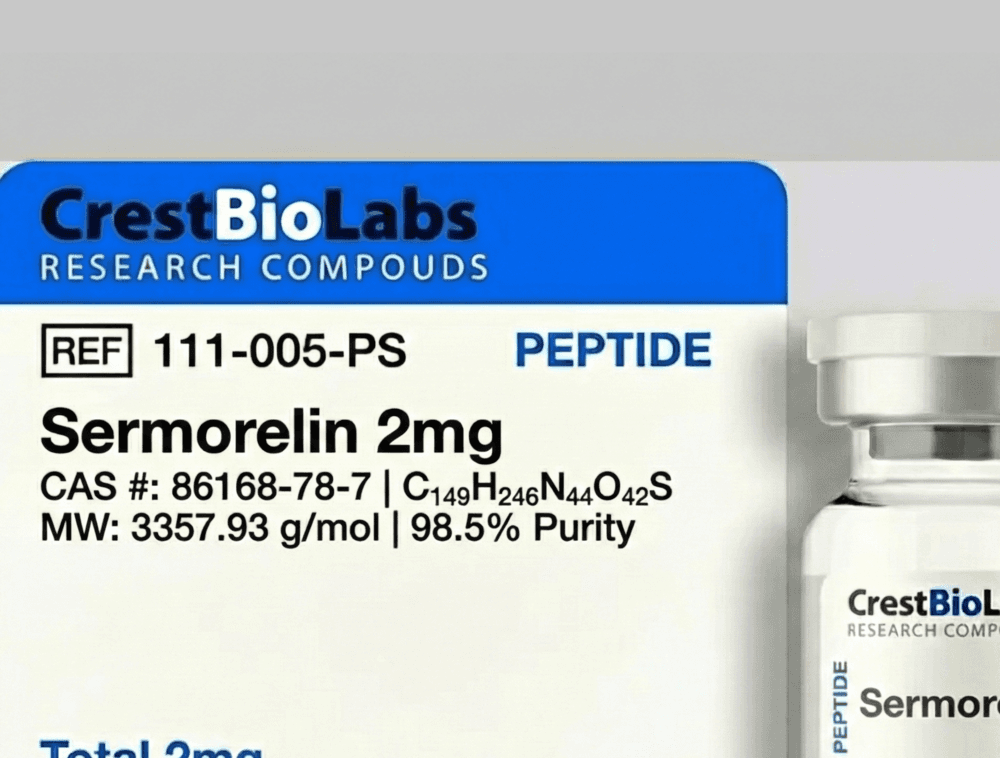
Sermorelin 2mg
Sermorelin is a synthetic analog of growth hormone-releasing hormone (GHRH) consisting of the first 29 amino acids of the naturally occurring GHRH.
Quick Reference
This product is temporarily unavailable. Join our notification list to be the first to know when it's back in stock.
About Sermorelin 2mg
Sermorelin acetate is a biologically active fragment of GHRH that retains full ability to stimulate growth hormone secretion. It is the shortest fully functional fragment of GHRH and has been used as a diagnostic agent. Current research focuses on its role in age-related growth hormone decline.
Mechanism of Action
Binds to GHRH receptors on anterior pituitary somatotrophs, activating adenylate cyclase and elevating intracellular cAMP to stimulate endogenous growth hormone synthesis and pulsatile release.
Research Applications
Sermorelin: a review of its use in the diagnosis and evaluat...
BioDrugs (1999)
Two-year results of treatment with recombinant human growth ...
Hormone Research in Paediatrics (1996)
Product Quick Facts
HPLC Verified
98.5% purity confirmed
COA Available
Full chromatograms & MS data
Same-Day Shipping
Orders before 2 PM EST
Cold Chain
Temperature-controlled packaging
Handling Protocol
- •Store at -20°C, desiccated
- •Reconstitute with bacteriostatic water
- •Avoid repeated freeze-thaw cycles
- •Handle under sterile conditions
Related Research
What Are Peptides?
Introduction to peptide structure, classification, and research significance.
Solid-Phase Peptide Synthesis (SPPS)
How SPPS works, Fmoc vs Boc chemistry, and modern synthesis advances.
Mass Spectrometry for Peptide Analysis
ESI-MS and MALDI-TOF methods for confirming peptide identity.
Metabolic Research Compounds Hub
Research compounds investigated in preclinical models of metabolic function.
Frequently Asked Questions About Sermorelin 2mg
Sermorelin retains the native GHRH(1-29) amino acid sequence and has a plasma half-life of only 10-20 minutes due to rapid DPP-IV cleavage at the Tyr1-Ala2 bond, while CJC-1295 No DAC incorporates four protective amino acid substitutions that extend its half-life to approximately 30 minutes. Both peptides bind the same GHRH receptor on pituitary somatotrophs and produce comparable maximal GH responses in isolated pituitary preparations, but CJC-1295 No DAC achieves greater total GH output in vivo due to prolonged receptor occupancy. Sermorelin is preferred in research designs requiring rapid clearance — such as GH-reserve challenge tests or studies needing precise temporal control over the GH pulse window — because its fast elimination ensures minimal carryover between sequential administrations.
Native human growth hormone releasing hormone is a 44-amino acid peptide designated GHRH(1-44), but structure-activity studies in the 1980s determined that the first 29 amino acids contain the complete pharmacophore required for full GHRH receptor binding and activation, with residues 30-44 contributing only to in vivo stability rather than receptor affinity. Sermorelin is the synthetic form of this GHRH(1-29) fragment and retains identical binding affinity (Ki) and maximal efficacy (Emax) at the GHRH receptor compared to the full-length peptide in receptor binding assays. The truncation was commercially and experimentally advantageous because the shorter peptide is easier and less expensive to synthesize at high purity while sacrificing no receptor-level functionality.
Sermorelin was approved by the FDA in 1997 under the brand name Geref Diagnostic as an intravenous agent for evaluating pituitary somatotroph function in subjects with suspected growth hormone deficiency, making it one of the few GHRH analogs to receive regulatory approval for any indication. The diagnostic protocol involved administering a single intravenous bolus and measuring serum GH levels at timed intervals to determine whether the pituitary retained the capacity to produce and release GH in response to GHRH stimulation. The product was voluntarily discontinued by the manufacturer for commercial reasons, not safety concerns, and Sermorelin remains a well-characterized reference compound in endocrinology research with extensive published human pharmacokinetic and pharmacodynamic data.
The standard reconstitution is 1-2 mL of bacteriostatic water added slowly down the vial wall, swirling gently until the lyophilized cake is fully dissolved. However, Sermorelin has an isoelectric point near neutral pH where solubility is lowest, so in cases of incomplete dissolution or when preparing higher-concentration stock solutions, 0.1% acetic acid (approximately pH 3.5) can be used to protonate basic residues and improve solubility. When using the acetic acid method, the reconstituted solution should be diluted into a physiological buffer before application to cell cultures, as the low pH alone can affect cellular assays. Store the reconstituted solution at 2-8°C for up to 14 days; Sermorelin's native sequence is more degradation-prone in solution than modified analogs, so shorter storage windows are recommended compared to CJC-1295 No DAC.
The rapid clearance means each Sermorelin administration produces a narrow, well-defined GH pulse that rises and falls within approximately 60-90 minutes, giving researchers precise temporal control over the stimulus window that is unmatched by longer-acting GHRH analogs. This is critical for studies examining GH pulse frequency effects, somatostatin rebound dynamics, or the temporal relationship between GH pulses and downstream IGF-I gene transcription in hepatocyte models. However, the short half-life also means that any delays in sample collection can miss the peak GH response, requiring tight experimental timing with blood draws typically at 15, 30, 45, and 60 minutes post-administration.
At the receptor level, Sermorelin (GHRH 1-29) and GHRH(1-44) are functionally equivalent, producing identical dose-response curves for cAMP accumulation and GH release in pituitary cell assays, because the C-terminal residues 30-44 do not participate in GHRH receptor binding. The difference emerges in vivo, where the additional 15 residues of GHRH(1-44) provide modest protection against C-terminal carboxypeptidase degradation, giving full-length GHRH a slightly longer (though still very short) plasma half-life. Sermorelin compensates partially through its C-terminal amidation (NH2 group), which blocks carboxypeptidase attack on the truncated terminus.
Sermorelin triggers a single, high-amplitude GH pulse that peaks approximately 15-30 minutes after administration and returns to baseline within 60-90 minutes, closely mimicking a single endogenous GHRH-driven secretory burst. The amplitude of this pulse is subject to the prevailing somatostatin tone — if administered during a somatostatin trough, the GH response is significantly greater than when administered during a somatostatin peak. This somatostatin gating is a critical variable that researchers must control for, either by standardizing administration timing relative to the endogenous ultradian rhythm or by co-administering a somatostatin receptor antagonist to remove the inhibitory variable.
The GHRH stimulation test is a provocative endocrine challenge that assesses the functional capacity of pituitary somatotrophs by administering a bolus of GHRH (historically Sermorelin at 1 mcg/kg IV in clinical studies) and measuring the resulting GH secretory response over 60-120 minutes. A robust GH peak confirms intact somatotroph function, while a blunted response suggests pituitary-level impairment. The test can be combined with arginine co-administration to suppress endogenous somatostatin tone, which increases the test's sensitivity by removing the variable of somatostatin gating. In current research applications, Sermorelin-based stimulation tests are used in aging models to quantify somatotroph reserve decline, in transgenic animals to verify GH axis phenotypes, and as a positive-control benchmark when evaluating novel GHRH receptor agonists.
You May Also Need
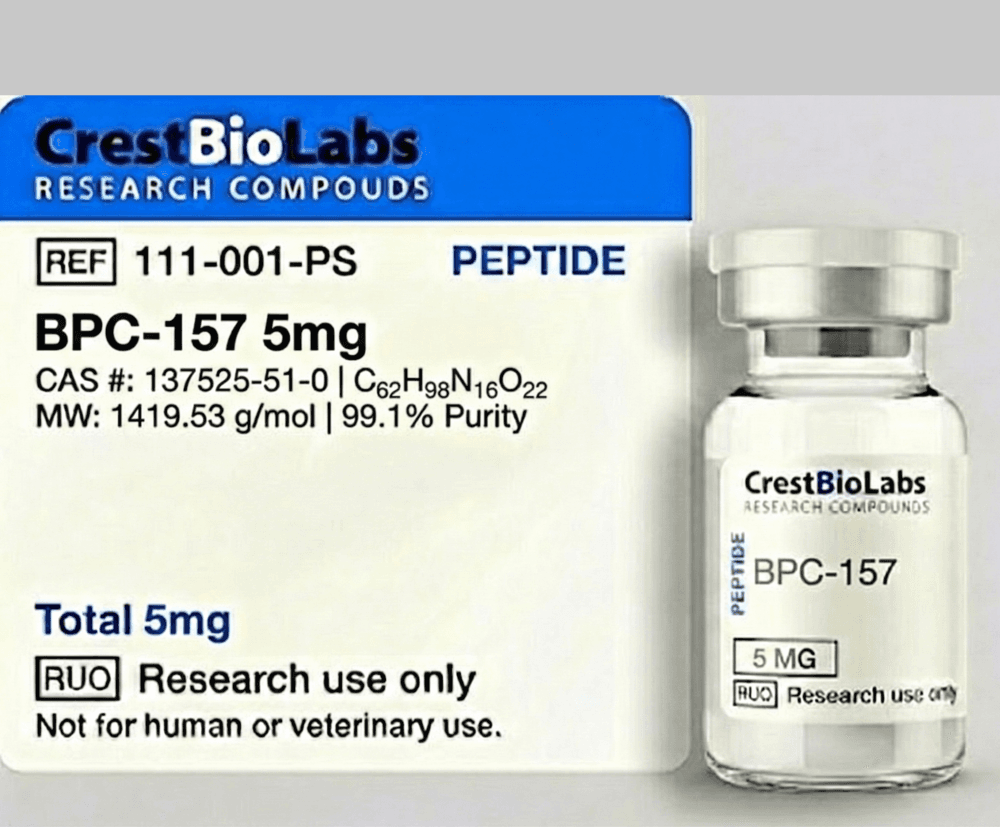
BPC-157 5mg
C62H98N16O22
Body Protection Compound-157 (BPC-157) is a pentadecapeptide composed of 15 amino acids. It is a partial sequence of body protection compound derived from human gastric juice.
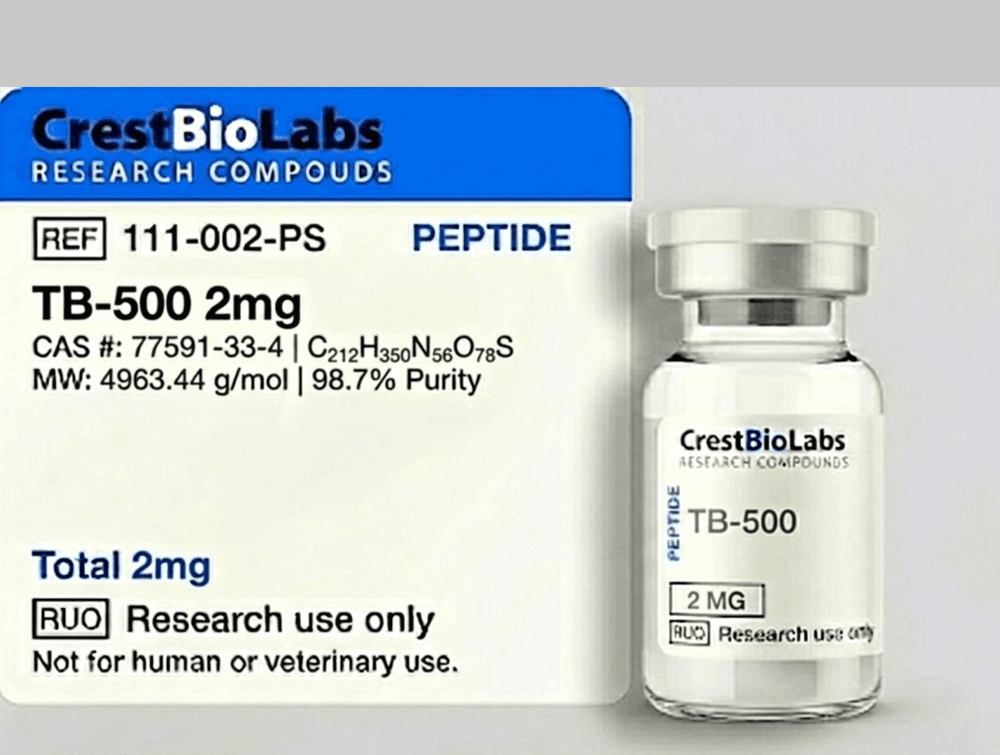
TB-500 2mg
C212H350N56O78S
Thymosin Beta-4 (TB-500) is a naturally occurring peptide present in virtually all human and animal cells. It plays a critical role in tissue repair and regeneration.
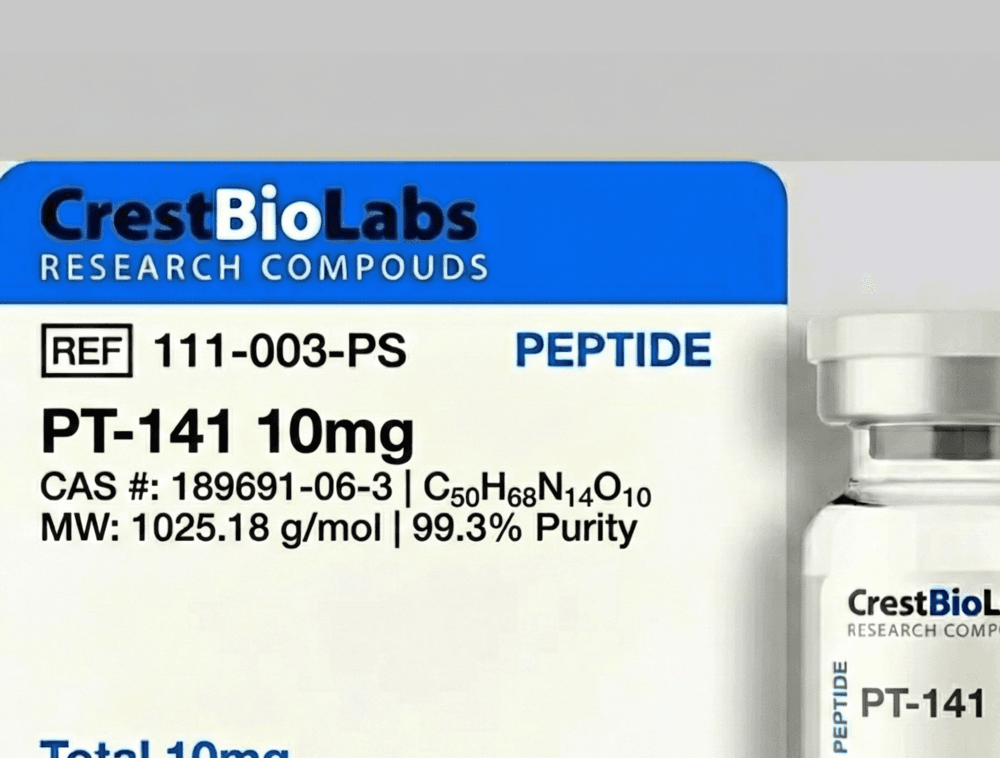
PT-141 10mg
C50H68N14O10
PT-141 (Bremelanotide) is a synthetic peptide analog of alpha-melanocyte stimulating hormone. It was developed from Melanotan II research.
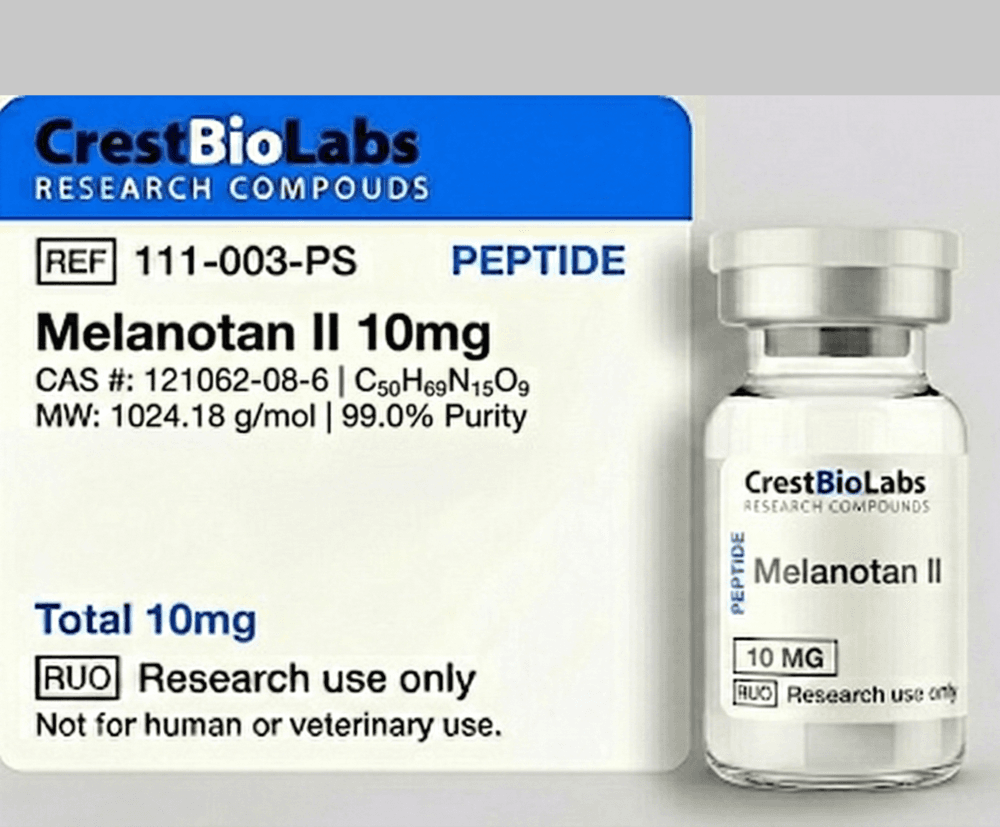
Melanotan II 10mg
C50H69N15O9
Melanotan II is a synthetic analog of the naturally occurring melanocortin peptide hormone alpha-melanocyte-stimulating hormone (α-MSH).