Scientific Overview
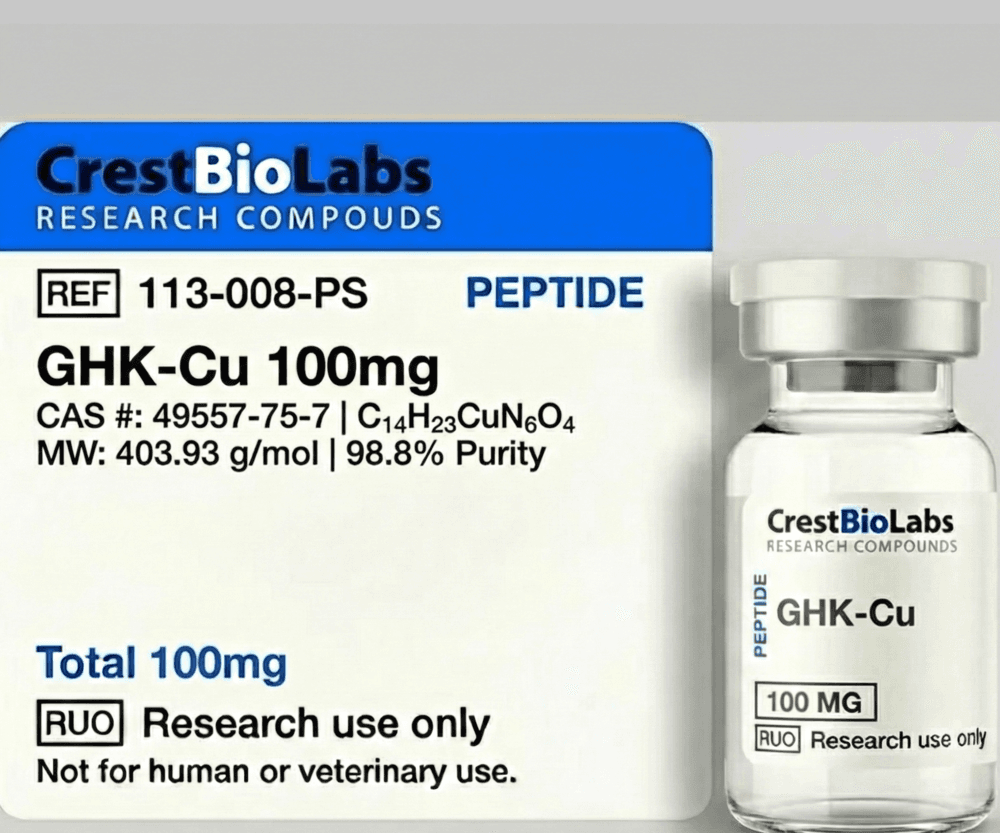
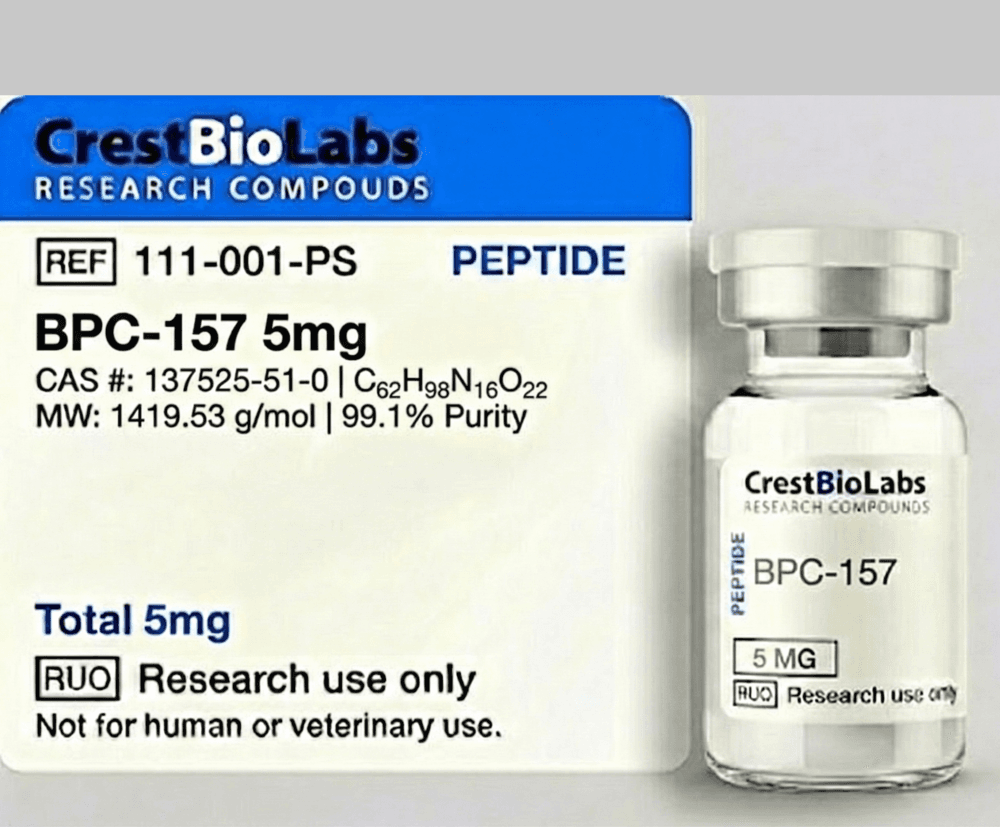
GHK-Cu and BPC-157 are two structurally and mechanistically distinct peptides that have each accumulated a substantial body of preclinical literature. GHK-Cu (glycyl-L-histidyl-L-lysine copper complex) is a naturally occurring copper-binding tripeptide first identified in human plasma, while BPC-157 (Body Protection Compound-157) is a synthetic pentadecapeptide derived from a fragment of the gastric protein BPC. Despite their differences in origin and structure, both peptides have been investigated in research contexts related to tissue remodeling and cellular signaling.
The comparison of GHK-Cu and BPC-157 is instructive because these compounds operate through fundamentally different biochemical mechanisms. GHK-Cu's activity is intimately linked to its copper-chelating properties and the downstream effects of copper delivery to metalloenzymes and transcription factors. BPC-157, in contrast, appears to function through growth factor pathway modulation and angiogenesis-related signaling cascades that are independent of metal ion biochemistry.
For research purposes only. Not for human or veterinary use. The data and analysis presented in this comparison are sourced from peer-reviewed preclinical research and are intended exclusively for scientific reference and research compound characterization.
For research purposes only. Not for human or veterinary use. The compounds discussed in this comparison are intended exclusively for in-vitro and preclinical research applications.
Head-to-Head Comparison
| Property | GHK-Cu | BPC-157 |
|---|---|---|
| Peptide Class | Copper-Binding Tripeptide | Gastric Pentadecapeptide |
| Receptor Targets | Integrin receptors, copper-dependent pathways | VEGFR2, FAK-paxillin pathway |
| Molecular Weight | ~403.93 Da | ~1,419.53 Da |
| CAS Number | 49557-75-7 | 137525-51-0 |
| Mechanism (Research) | GHK-Cu functions as a copper delivery vehicle that chelates Cu(II) ions with high affinity. In preclinical models, the copper-peptide complex has been shown to modulate gene expression of metalloenzymes including superoxide dismutase and lysyl oxidase, and to influence extracellular matrix remodeling through regulation of collagen synthesis and matrix metalloproteinase activity. | BPC-157 has been observed in preclinical studies to modulate the VEGFR2 signaling axis and the FAK-paxillin pathway, which are associated with angiogenesis and cellular migration. Research has also suggested interactions with nitric oxide system modulation, though the precise primary receptor target remains under active investigation. |
| Stability | GHK-Cu exhibits moderate aqueous stability that is influenced by pH, with optimal stability observed near physiological pH ranges. The copper complex can be susceptible to reduction and ligand exchange in the presence of competing chelators. Lyophilized preparations stored under desiccated conditions at -20 degrees C demonstrate long-term stability. | BPC-157 demonstrates notable stability across a wide pH range, including highly acidic conditions, which is consistent with its origin as a fragment of a gastric protein. In stability studies, it has shown resistance to enzymatic degradation compared to many peptides of similar size. Lyophilized BPC-157 maintains purity when stored at -20 degrees C under desiccation. |
| Research Applications | GHK-Cu is studied in the context of copper-dependent signaling pathways, extracellular matrix biochemistry, gene expression modulation, and metalloprotein function. It serves as a model compound for investigating the role of copper-peptide complexes in cellular biology research. | BPC-157 is investigated in preclinical models related to angiogenesis, growth factor signaling, nitric oxide pathway modulation, and gastrointestinal mucosal biology. It is used as a research tool for studying pentadecapeptide-mediated signaling mechanisms. |
| Analytical Methods | ICP-MS for copper content analysis, UV-Vis spectrophotometry for Cu(II) complex characterization, reversed-phase HPLC for peptide purity, ESI-MS for molecular confirmation, and EPR spectroscopy for copper coordination geometry. | Reversed-phase HPLC for purity analysis, LC-MS/MS for sequence confirmation and molecular weight verification, VEGFR2 phosphorylation assays, and tube formation assays for angiogenesis research. |
Peptide Class
Copper-Binding Tripeptide
Gastric Pentadecapeptide
Receptor Targets
Integrin receptors, copper-dependent pathways
VEGFR2, FAK-paxillin pathway
Molecular Weight
~403.93 Da
~1,419.53 Da
CAS Number
49557-75-7
137525-51-0
Mechanism (Research)
GHK-Cu functions as a copper delivery vehicle that chelates Cu(II) ions with high affinity. In preclinical models, the copper-peptide complex has been shown to modulate gene expression of metalloenzymes including superoxide dismutase and lysyl oxidase, and to influence extracellular matrix remodeling through regulation of collagen synthesis and matrix metalloproteinase activity.
BPC-157 has been observed in preclinical studies to modulate the VEGFR2 signaling axis and the FAK-paxillin pathway, which are associated with angiogenesis and cellular migration. Research has also suggested interactions with nitric oxide system modulation, though the precise primary receptor target remains under active investigation.
Stability
GHK-Cu exhibits moderate aqueous stability that is influenced by pH, with optimal stability observed near physiological pH ranges. The copper complex can be susceptible to reduction and ligand exchange in the presence of competing chelators. Lyophilized preparations stored under desiccated conditions at -20 degrees C demonstrate long-term stability.
BPC-157 demonstrates notable stability across a wide pH range, including highly acidic conditions, which is consistent with its origin as a fragment of a gastric protein. In stability studies, it has shown resistance to enzymatic degradation compared to many peptides of similar size. Lyophilized BPC-157 maintains purity when stored at -20 degrees C under desiccation.
Research Applications
GHK-Cu is studied in the context of copper-dependent signaling pathways, extracellular matrix biochemistry, gene expression modulation, and metalloprotein function. It serves as a model compound for investigating the role of copper-peptide complexes in cellular biology research.
BPC-157 is investigated in preclinical models related to angiogenesis, growth factor signaling, nitric oxide pathway modulation, and gastrointestinal mucosal biology. It is used as a research tool for studying pentadecapeptide-mediated signaling mechanisms.
Analytical Methods
ICP-MS for copper content analysis, UV-Vis spectrophotometry for Cu(II) complex characterization, reversed-phase HPLC for peptide purity, ESI-MS for molecular confirmation, and EPR spectroscopy for copper coordination geometry.
Reversed-phase HPLC for purity analysis, LC-MS/MS for sequence confirmation and molecular weight verification, VEGFR2 phosphorylation assays, and tube formation assays for angiogenesis research.
Copper-Mediated vs Growth Factor Pathways
The mechanistic foundations of GHK-Cu and BPC-157 represent two fundamentally different paradigms in peptide biochemistry. GHK-Cu's biological activity is inextricably linked to its role as a copper transport molecule. The tripeptide binds Cu(II) with a binding constant of approximately 10^-14, forming a square-planar coordination complex involving the glycine amino terminus, the histidine imidazole nitrogen, the deprotonated amide nitrogen between glycine and histidine, and the lysine side chain amino group. This high-affinity copper binding is the biochemical foundation for GHK-Cu's downstream effects.
The copper delivered by GHK-Cu serves as a cofactor for numerous metalloenzymes, and preclinical studies have demonstrated that GHK-Cu treatment influences the activity of copper-dependent enzymes including superoxide dismutase (SOD), cytochrome c oxidase, and lysyl oxidase. Lysyl oxidase, which requires copper for its catalytic function, is particularly relevant because it mediates cross-linking of collagen and elastin in the extracellular matrix. In-vitro studies have shown that GHK-Cu can modulate the expression of genes involved in extracellular matrix remodeling.
BPC-157 operates through an entirely different biochemical framework that does not involve metal ion delivery. Preclinical research has identified the VEGFR2 (vascular endothelial growth factor receptor 2) signaling axis as a key pathway influenced by BPC-157. In endothelial cell models, BPC-157 has been observed to promote VEGFR2 phosphorylation and activate downstream signaling through the FAK (focal adhesion kinase)-paxillin pathway, which is associated with cell migration and angiogenic tube formation.
Additional preclinical evidence has linked BPC-157 to modulation of the nitric oxide (NO) system, including interactions with both eNOS and iNOS pathways. This NO-related activity distinguishes BPC-157 from GHK-Cu and suggests that the pentadecapeptide may influence vascular biology through mechanisms that are complementary to but distinct from the growth factor receptor pathways. The precise molecular target through which BPC-157 initiates its signaling cascade remains an area of active research.
Structural Differences and Molecular Architecture
GHK-Cu and BPC-157 differ dramatically in their structural properties, reflecting their distinct biological origins and mechanisms. GHK-Cu is a tripeptide (Gly-His-Lys) with a molecular weight of approximately 340 Da for the free peptide, increasing to approximately 403.93 Da upon copper complexation. Its small size places it at the boundary between peptides and simple metal-organic complexes, and its biological activity is defined more by its metal coordination chemistry than by typical peptide-receptor interactions.
The copper coordination geometry of GHK-Cu has been characterized using EPR spectroscopy and X-ray crystallography. In the Cu(II)-GHK complex, the metal center adopts a distorted square-planar geometry typical of biological copper complexes. This coordination environment is critical for the compound's function, as it must be sufficiently stable to prevent premature copper release during circulation while remaining labile enough to transfer copper to target metalloenzymes and proteins.
BPC-157, with its 15-amino acid sequence (Gly-Glu-Pro-Pro-Pro-Gly-Lys-Pro-Ala-Asp-Asp-Ala-Gly-Leu-Val), is substantially larger at approximately 1,419.53 Da. Its proline-rich sequence confers conformational constraints that distinguish it from many peptides, as the multiple proline residues restrict backbone flexibility and favor polyproline II-like secondary structures. This structural rigidity may contribute to its notable stability in acidic environments.
The structural contrast between these compounds has important implications for their research applications. GHK-Cu's small size and metal-dependent activity make it amenable to study using inorganic chemistry techniques including EPR, UV-Vis spectroscopy, and potentiometric titration. BPC-157's larger peptide framework requires traditional peptide characterization approaches including LC-MS sequencing, circular dichroism, and potentially NMR spectroscopy for solution structure determination.
From a formulation and handling perspective, GHK-Cu requires attention to copper oxidation state and coordination stability, while BPC-157's primary stability considerations relate to typical peptide degradation pathways including hydrolysis, deamidation, and oxidation, with the notable exception of its unusual acid stability.
Stability Profiles and Degradation Pathways
The stability characteristics of GHK-Cu and BPC-157 differ in ways that reflect their distinct chemical natures and have practical implications for research protocol design. GHK-Cu's stability is governed by both the peptide backbone integrity and the copper coordination complex. Under aqueous conditions, the Cu(II)-GHK complex demonstrates pH-dependent stability, with optimal complex formation occurring near physiological pH. At acidic pH values, protonation of the coordinating histidine and amino groups weakens the copper-peptide interaction, while at strongly basic pH values, copper hydroxide precipitation can occur.
A unique stability consideration for GHK-Cu involves the redox chemistry of the copper center. In biological research contexts, reducing agents such as ascorbate or glutathione can reduce Cu(II) to Cu(I), which has different coordination preferences and may dissociate from the GHK ligand. Researchers working with GHK-Cu must therefore control the redox environment of their experimental systems to maintain the Cu(II)-GHK complex in its intended form.
BPC-157 exhibits a stability profile that is unusual among peptides of its size. Its resistance to degradation under acidic conditions (down to pH 1-2) has been documented in stability studies and is consistent with its derivation from a gastric protein that naturally functions in the highly acidic stomach environment. The proline-rich sequence also confers resistance to many common exo- and endopeptidases, contributing to extended stability in biological fluid preparations.
For long-term storage in research settings, both compounds benefit from lyophilization. Lyophilized GHK-Cu should be stored under desiccated conditions with protection from light, as the copper complex can undergo photoreduction. Lyophilized BPC-157 demonstrates good long-term stability at -20 degrees C. Upon reconstitution, GHK-Cu solutions should be used promptly or stored at 4 degrees C with minimal exposure to reducing agents, while reconstituted BPC-157 shows acceptable short-term stability at 4 degrees C in physiological buffer systems.
Research Application Differences
GHK-Cu and BPC-157 serve distinct roles in research programs, reflecting their different mechanisms and areas of biological activity. GHK-Cu is primarily employed in research related to copper biology, metalloprotein function, and extracellular matrix biochemistry. Its well-characterized copper-binding properties make it a useful tool compound for studying how copper delivery influences gene expression, enzyme activity, and matrix remodeling in cell culture and tissue models.
In gene expression research, microarray and RNA-sequencing studies have demonstrated that GHK-Cu treatment can modulate the expression of hundreds of genes in fibroblast and keratinocyte models. Notably, research has identified upregulation of genes associated with collagen synthesis, glycosaminoglycan production, and antioxidant defense, alongside downregulation of genes associated with matrix degradation. These transcriptomic effects make GHK-Cu a valuable probe for studying copper-responsive gene networks.
BPC-157 research focuses on different biological questions, particularly those related to angiogenesis, growth factor signaling, and gastrointestinal biology. In endothelial cell models, BPC-157 has been used to study VEGFR2 activation kinetics and downstream signaling pathway engagement. In gastrointestinal research models, it has been employed to investigate mucosal biology and the roles of gastric peptides in tissue homeostasis.
The non-overlapping research applications of these two compounds mean that they are rarely directly compared in the same experimental system. However, in research programs investigating complex biological processes that involve both extracellular matrix remodeling and angiogenesis, both compounds may be studied as mechanistically complementary research tools. Understanding their distinct mechanisms and analytical requirements is essential for proper experimental design in any research protocol that incorporates either compound.
Scientific References
[1] Pickart L, Vasquez-Soltero JM, Margolina A.. “GHK peptide as a natural modulator of multiple cellular pathways in skin regeneration.” BioMed Research International (2015). doi:10.1155/2015/648108
[2] Sikiric P, Seiwerth S, Rucman R, et al.. “Stable gastric pentadecapeptide BPC 157: novel therapy in gastrointestinal tract.” Current Pharmaceutical Design (2011). doi:10.2174/138161211796197205
[3] Pickart L, Margolina A.. “Regenerative and protective actions of the GHK-Cu peptide in the light of the new gene data.” International Journal of Molecular Sciences (2018). doi:10.3390/ijms19071987
[4] Seiwerth S, Brcic L, Vuletic LB, et al.. “BPC 157 and blood vessels.” Current Pharmaceutical Design (2014). doi:10.2174/13816128113199990421
[5] Maquart FX, Pickart L, Laurent M, et al.. “Stimulation of collagen synthesis in fibroblast cultures by the tripeptide-copper complex glycyl-L-histidyl-L-lysine-Cu2+.” FEBS Letters (1988). doi:10.1016/0014-5793(88)81044-1
[6] Sikiric P, Rucman R, Turkovic B, et al.. “Novel cytoprotective mediator, stable gastric pentadecapeptide BPC 157. Vascular recruitment and gastrointestinal tract healing.” Current Pharmaceutical Design (2018). doi:10.2174/1381612824666180507152110